Benefits of Guava Leaves
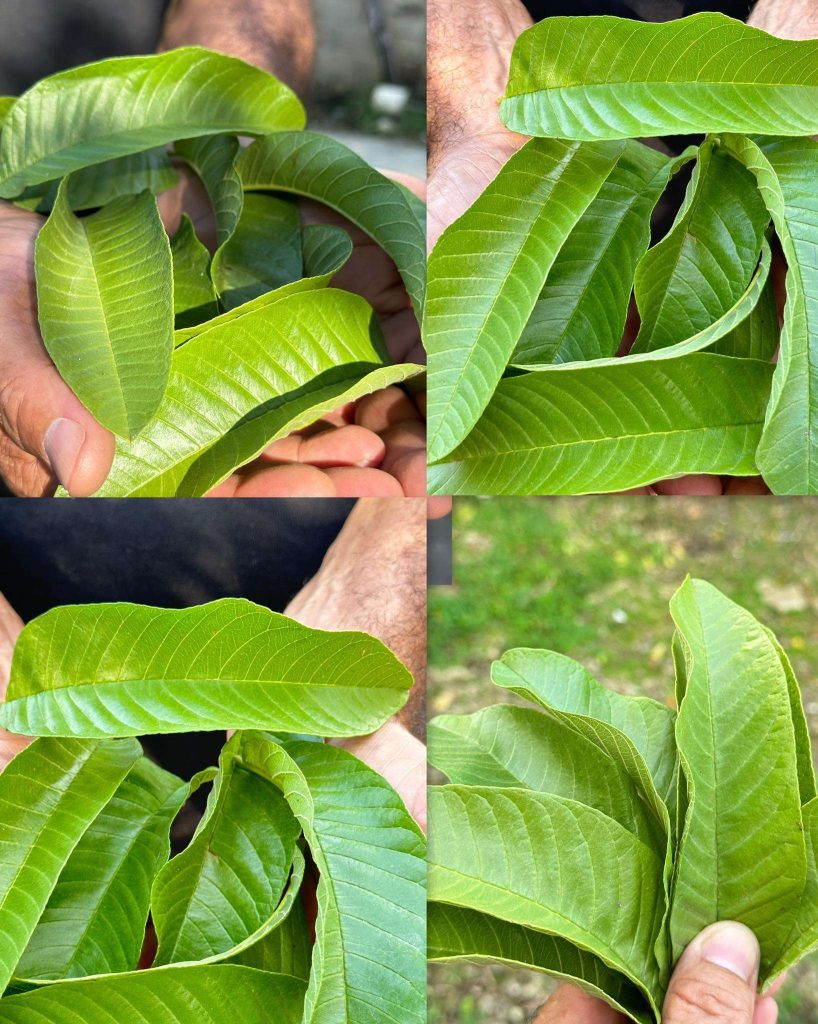
Beyond the Fruit: Unlocking the Remarkable Health Benefits of Guava Leaves 🍃
 Espanol
When we think of the guava tree, our minds immediately go to its sweet, fragrant, and vitamin C-rich fruit. However, a treasure trove of wellness has been quietly growing alongside it—the humble guava leaf. Often overlooked, these leaves have been a cornerstone in traditional medicine systems across the tropics for centuries. Today, modern research is beginning to validate what ancient healers have long known: guava leaves are a powerhouse of bioactive compounds. This article delves into the science and practical applications behind the impressive health benefits of guava leaves, offering you a natural, accessible addition to your wellness toolkit.
Espanol
A Natural Pharmacy: The Compounds Behind the Power 🔬
Guava leaves (Psidium guajava) are rich in potent antioxidants like quercetin, flavonoids, and carotenoids. They also contain beneficial tannins, essential oils, and vitamins. This unique composition is responsible for their wide-ranging therapeutic properties, including anti-inflammatory, antimicrobial, antidiabetic, and antispasmodic effects. Unlike the fruit, the leaves are low in sugar, making their benefits accessible without impacting blood glucose levels.
Digestive Health and Weight Management Support 🫖
One of the most celebrated uses of guava leaf tea is for digestive comfort. The leaves possess compounds that can help inhibit the growth of harmful bacteria like Staphylococcus aureus and E. coli in the gut, which are often responsible for food poisoning and traveler's diarrhea. For those struggling with occasional diarrhea or stomach cramps, a warm cup of guava leaf tea can provide soothing relief due to its antispasmodic qualities.
Furthermore, the leaves may aid in weight management. Some studies suggest that the compounds in guava leaves can help prevent the absorption of dietary carbohydrates into sugars in the liver, a process that can contribute to weight gain. Incorporating a cup of this tea into a balanced diet could be a supportive strategy.
Blood Sugar Regulation: A Promising Ally for Metabolic Health 📉
This is perhaps one of the most significant areas of research. Several studies indicate that guava leaf extract can help improve insulin resistance and lower blood sugar levels. The mechanisms are believed to involve inhibiting certain enzymes that convert carbohydrates in the digestive tract into glucose. Drinking guava leaf tea after meals may help moderate blood sugar spikes. However, it is crucial to consult with a healthcare provider before using it as part of a diabetes management plan, as it may interact with medications.
Heart Health and Cholesterol Benefits ❤️
Supporting a healthy heart is another potential benefit. The antioxidants in the leaves help protect the heart from oxidative damage. More notably, research in animals and some human trials has shown that long-term consumption of guava leaf tea can help lower "bad" LDL cholesterol and triglycerides while increasing "good" HDL cholesterol. This lipid-regulating effect, combined with potential blood pressure-lowering properties, makes it a heart-friendly beverage.
Skin, Hair, and Oral Care Applications ✨
The benefits aren't only internal. The antimicrobial and anti-inflammatory properties make guava leaves excellent for topical use.
- For Skin: A cooled guava leaf tea rinse or paste can help reduce acne inflammation and fight bacteria. The antioxidants may also slow down skin aging.
- For Hair: Boiling leaves in water creates a rinse that can strengthen hair follicles, potentially combatting hair loss and promoting a healthy scalp.
- For Oral Health: Chewing on clean, tender guava leaves or using a leaf-infused mouthwash can alleviate toothache, gum inflammation, and mouth ulcers due to its analgesic and antibacterial effects.
How to Use Guava Leaves: Practical Tips and Precautions ⚠️
The simplest way to enjoy the benefits is by making an herbal tea.
To make guava leaf tea: Rinse 5-10 fresh or dried organic leaves. Gently crush them to release the compounds. Steep them in a cup of hot water for 5-10 minutes. Strain and enjoy. You can add a dash of honey or lemon for flavor, but remember, its potency is in its mild, earthy taste.
For topical use, ensure the leaves are thoroughly cleaned. Create a decoction by boiling a handful of leaves in water for 15-20 minutes, then let it cool before applying.
Important Precautions: While generally safe, pregnant or breastfeeding women should avoid therapeutic doses due to a lack of sufficient safety data. As mentioned, those on diabetes or blood-thinning medications must seek medical advice first, as guava leaves can potentiate their effects. Always start with a small amount to check for any personal sensitivity.
Conclusion: Embracing Nature's Green Elixir 🌿
From supporting metabolic and heart health to enhancing skin and digestive well-being, guava leaves offer a remarkable, multi-faceted natural remedy. Their strength lies in the synergy of powerful antioxidants and anti-inflammatory compounds, backed by both traditional wisdom and emerging science. While not a magic cure, they represent a fantastic, sustainable complement to a healthy lifestyle. The key is consistency and realistic expectations. Consider introducing a cup of guava leaf tea into your routine and observe how your body responds. As with any natural supplement, informed and mindful use, alongside professional medical guidance for specific conditions, is the wisest path to harnessing the full benefits of this extraordinary gift from the guava tree.
Deja una respuesta