Benefits of Guava Leaves
 Espanol
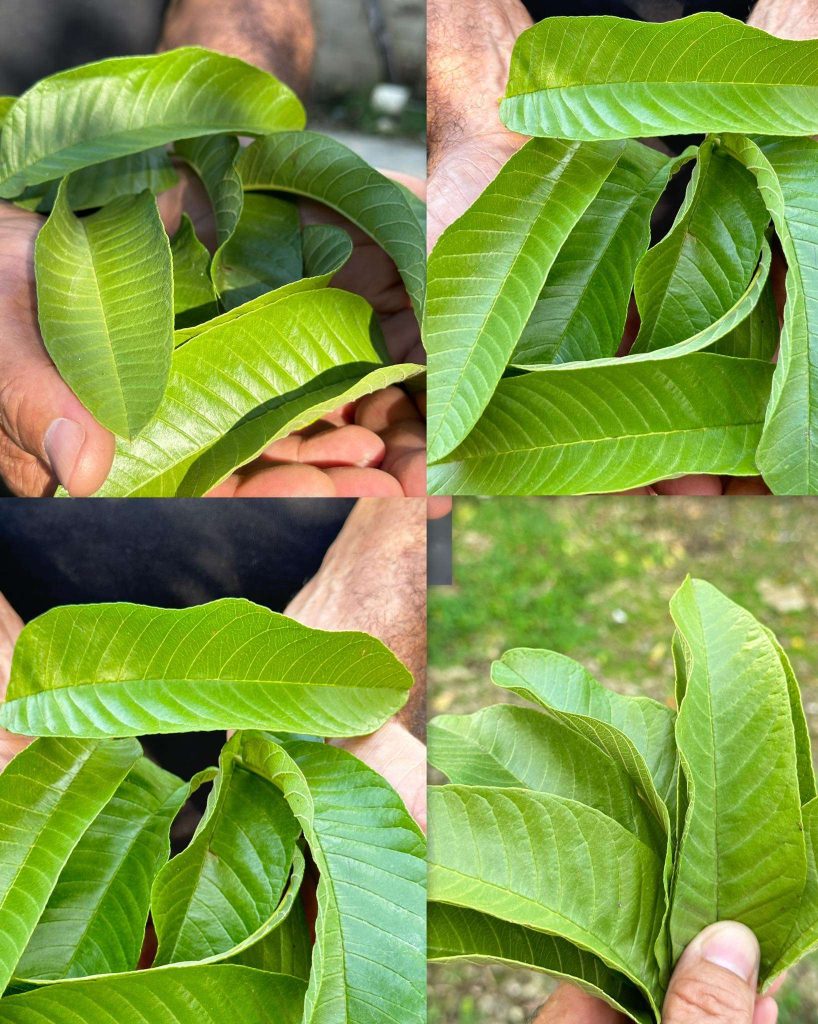
Welcome to a deep dive into the often-overlooked powerhouse of natural wellness: the guava leaf. 🌿 While the sweet, tangy fruit gets most of the attention, the leaves of the Psidium guajava tree have been treasured in traditional medicine for centuries. This article will explore the science-backed Benefits of Guava Leaves, moving beyond superficial claims to provide you with practical, actionable knowledge. Get ready to discover how this humble leaf can become a valuable ally in your health and wellness journey.
Espanol
Introduction: More Than Just a Leaf 🍃
Guava leaves are packed with a formidable array of bioactive compounds, including flavonoids, carotenoids, tannins, and essential oils. These compounds are responsible for their potent antioxidant, anti-inflammatory, antimicrobial, and anti-diabetic properties. Unlike a fleeting health trend, the use of guava leaves is rooted in a long history of ethnobotanical application across Asia, Africa, and South America. We are now unlocking the modern scientific rationale behind these traditional uses, revealing a natural supplement with multifaceted benefits.
Digestive Health and Gastrointestinal Relief 🤢➡️😊
One of the most celebrated uses of guava leaf is for soothing digestive issues. The leaves contain compounds that help inhibit the growth of harmful bacteria like Staphylococcus aureus and E. coli in the gut, making them effective against food poisoning and bacterial diarrhea. Furthermore, the anti-spasmodic properties can help calm stomach cramps and bloating.
Practical Tip: For acute diarrhea or stomach upset, try drinking a warm cup of guava leaf tea. Steep 5-6 fresh or dried leaves in hot water for 5-10 minutes. Its astringent qualities help bind stools and provide relief.
A Natural Ally in Blood Sugar Management 📉
This is perhaps one of the most significant areas of research. Studies indicate that guava leaf extract can help improve insulin sensitivity and lower blood glucose levels. It appears to inhibit certain enzymes that convert carbohydrates into glucose in the bloodstream, such as alpha-glucosidase. For those managing type 2 diabetes or pre-diabetes, incorporating guava leaf tea could be a supportive nutritional strategy. However, it is crucial to consult with your healthcare provider before using it alongside prescribed diabetes medication to avoid hypoglycemia.
Boosting Immunity and Fighting Off Illness 🛡️💥
The high concentration of vitamin C and powerful antioxidants like quercetin in guava leaves makes them excellent for immune support. They help neutralize free radicals, reducing oxidative stress—a key driver of chronic inflammation and a weakened immune system. The antimicrobial properties also provide a frontline defense against common pathogens.
Practical Tip: During cold and flu season, consider adding guava leaf tea to your routine. Its antibacterial and antiviral actions can help soothe a sore throat and may shorten the duration of illness.
Radiant Skin and Healthy Hair ✨
Your skin and hair can reap remarkable benefits from guava leaves, both internally and topically. The anti-inflammatory and antimicrobial compounds are effective against acne and skin irritation. The antioxidants combat signs of aging by protecting skin cells from damage.
Practical Tip: For a simple skin toner, boil a handful of leaves in water, let it cool, and apply to your face with a cotton pad. For hair, a cooled guava leaf rinse can strengthen hair follicles, combat dandruff, and promote healthy growth.
Anti-inflammatory and Pain-Relieving Properties 🧘♂️
Chronic inflammation is linked to numerous diseases. The flavonoids in guava leaves, such as quercetin, are potent anti-inflammatory agents. This makes guava leaf extract beneficial for managing conditions like arthritis. Its analgesic (pain-relieving) properties can also alleviate discomfort from menstrual cramps, headaches, and minor aches. While not a replacement for medical treatment, it can be a valuable complementary natural therapy.
How to Prepare and Use Guava Leaves 🍵
To harness these benefits, here are the most common methods:
- Tea/Infusion: The simplest method. Use 5-10 dried leaves or 3-4 fresh leaves per cup. Crush them slightly, steep in boiling water for 5-10 minutes, strain, and enjoy. You can add honey or lemon for taste.
- Topical Application: Create a decoction by boiling a large handful of leaves in 1 liter of water for 15-20 minutes. Use the cooled liquid as a skin wash, hair rinse, or compress for wounds.
- Extract/Powder: Commercial supplements like capsules and tinctures offer a concentrated dose. Always choose products from reputable sources and follow dosage instructions.
Important Precautions and Side Effects ⚠️
Guava leaves are generally safe for most people when consumed in culinary amounts. However, due to their potent bioactive nature, some precautions are necessary:
- Pregnant and breastfeeding women should avoid therapeutic doses due to a lack of sufficient safety data.
- As mentioned, those on diabetes or blood-thinning medications must consult a doctor due to potential interactions.
- Excessive consumption may lead to temporary constipation or stomach irritation in some individuals.
- The key rule is moderation and professional guidance, especially if you have underlying health conditions.
Conclusion: Embracing a Time-Tested Natural Remedy 🌟
From supporting metabolic health to enhancing skin radiance and fortifying the immune system, the benefits of guava leaves are both diverse and profound. This article has moved beyond the surface to provide a detailed look at the science, practical applications, and necessary precautions associated with this remarkable natural resource. By integrating guava leaves into your wellness regimen—whether through a daily cup of tea or a targeted topical treatment—you are tapping into centuries of traditional wisdom now validated by modern science. Start with small steps, listen to your body, and consider how this humble leaf can contribute to a healthier, more vibrant you.
Deja una respuesta