Benefits of Guava Leaves
 Espanol
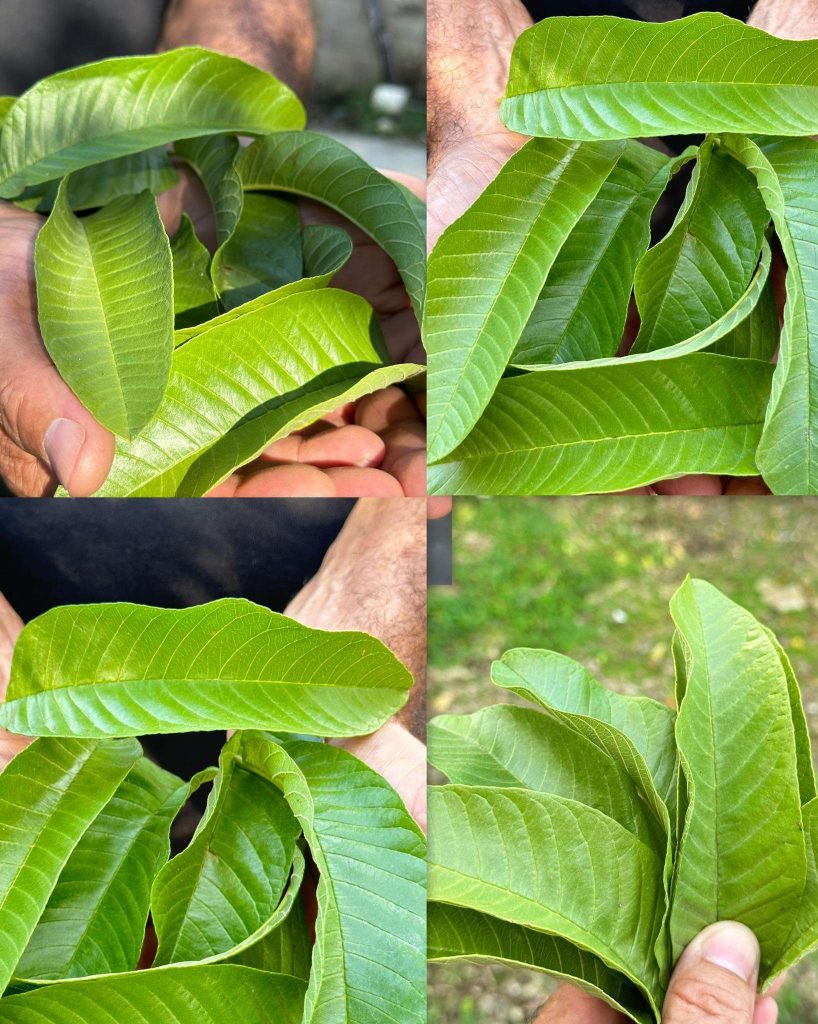
Welcome to a comprehensive guide on a hidden gem of nature – the guava leaf. 🌿 Often overshadowed by the delicious fruit it produces, the humble guava leaf is a powerhouse of nutrients and medicinal properties that have been cherished in traditional medicine for centuries. In this article, we will explore the science-backed benefits of guava leaves, offering you practical ways to incorporate this natural remedy into your wellness routine. Get ready to discover how this simple leaf can contribute significantly to your health.
Espanol
Beyond the Fruit: An Introduction to Guava Leaves
While the guava fruit is celebrated for its taste and vitamin C content, its leaves hold a treasure trove of beneficial compounds. 🍃 Rich in antioxidants like quercetin, flavonoids, and essential vitamins, guava leaves possess potent anti-inflammatory, antimicrobial, and therapeutic properties. From aiding digestion to managing blood sugar, the applications are vast. This article will delve deep into these benefits, providing you with a clear, professional, yet friendly roadmap to harnessing their power.
Blood Sugar Regulation & Diabetes Management
One of the most celebrated benefits of guava leaves is their positive impact on blood glucose levels. Studies suggest that compounds in the leaves inhibit the absorption of certain types of sugars in the body, such as maltose and sucrose. Drinking guava leaf tea after meals can help prevent blood sugar spikes. 💉 Practical Tip: For those managing type 2 diabetes or insulin resistance, incorporating a cup of unsweetened guava leaf tea daily, under medical guidance, can be a supportive natural strategy alongside prescribed treatments.
Powerful Support for Digestive Health
Guava leaves are a traditional remedy for a variety of gastrointestinal issues. Their anti-inflammatory and antimicrobial properties help soothe the stomach lining and combat harmful bacteria like Staphylococcus aureus and E. coli. 🌱 They are particularly effective in relieving symptoms of diarrhea, dysentery, and food poisoning. To ease an upset stomach, boil a handful of leaves in water for 10 minutes, strain, and drink the warm tea. The tannins present also provide a gentle astringent effect.
Weight Management and Metabolic Boost
If you're on a weight management journey, guava leaves can be a valuable ally. They help prevent complex carbohydrates from being converted into sugars, which the body can store as fat. Furthermore, the leaves have no cholesterol and a very low caloric content. 🏃♀️ For optimal results, combine the consumption of guava leaf tea with a balanced diet and regular exercise. It’s not a magic pill, but it supports the metabolic processes essential for healthy weight control.
Heart Health and Cholesterol Control
Promoting cardiovascular wellness is another key benefit. The high levels of potassium and soluble fiber in guava leaves contribute to lowering bad LDL cholesterol and blood pressure. The antioxidants also protect the heart from oxidative stress. ❤️ A crucial piece of advice: Replacing sugary beverages with guava leaf tea can reduce overall sugar and calorie intake, directly benefiting heart health. Consistency is key for noticing long-term benefits.
Radiant Skin and Healthy Hair
Your external beauty often reflects internal health, and guava leaves can enhance both. The antioxidants combat free radicals that cause skin aging, while the anti-inflammatory properties help treat acne and skin irritations. ✨ For your hair, guava leaf rinses are known to strengthen roots, prevent hair loss, and combat dandruff. Try this easy face rinse: Steep leaves in hot water, let it cool, and use it as a final rinse after cleansing to tone and refresh your skin.
Anti-inflammatory and Pain-Relieving Properties
From arthritic pain to toothaches, guava leaves offer natural relief. Chewing on young, tender leaves can alleviate gum inflammation and tooth pain due to their analgesic effect. 🩹 The anti-inflammatory compounds, such as quercetin, can also help reduce pain associated with conditions like rheumatoid arthritis. Applying a paste of crushed leaves topically can soothe minor wounds, insect bites, and skin inflammation.
How to Use Guava Leaves: Practical Preparations
To reap these benefits, you need to know how to use them effectively. The most common method is preparing a tea.
- Guava Leaf Tea: Wash 5-10 fresh leaves (or use 1 tablespoon of dried leaves). Boil in 1 liter of water for 10 minutes. Strain and enjoy hot or cold. You can add a dash of honey or lemon, but avoid sugar to maximize health benefits. ☕
- Topical Applications: Crush fresh leaves into a paste and apply directly to the affected skin area for acne or irritation.
- Leaf Extract: Concentrated extracts are available in supplement form. Always consult a healthcare professional before starting any new supplement regimen.
Conclusion: Embracing Nature's Pharmacy
In summary, guava leaves are a versatile, accessible, and potent natural remedy with a wide spectrum of health applications. From regulating blood sugar and aiding digestion to promoting heart health and enhancing skin radiance, this humble leaf proves that nature often holds the best solutions. 🌿 We've explored practical, easy-to-follow tips to integrate guava leaves into your daily life. Remember, while these leaves offer significant supportive benefits, they should complement, not replace, professional medical advice for specific conditions. Start by brewing a simple cup of tea and experience the remarkable benefits of guava leaves for yourself. Your journey to a more natural approach to wellness begins with a single leaf.
Deja una respuesta