Benefits of Guava Leaves
 Espanol
Espanol
Beyond the Fruit: Discovering the Remarkable Power of Guava Leaves 🌿
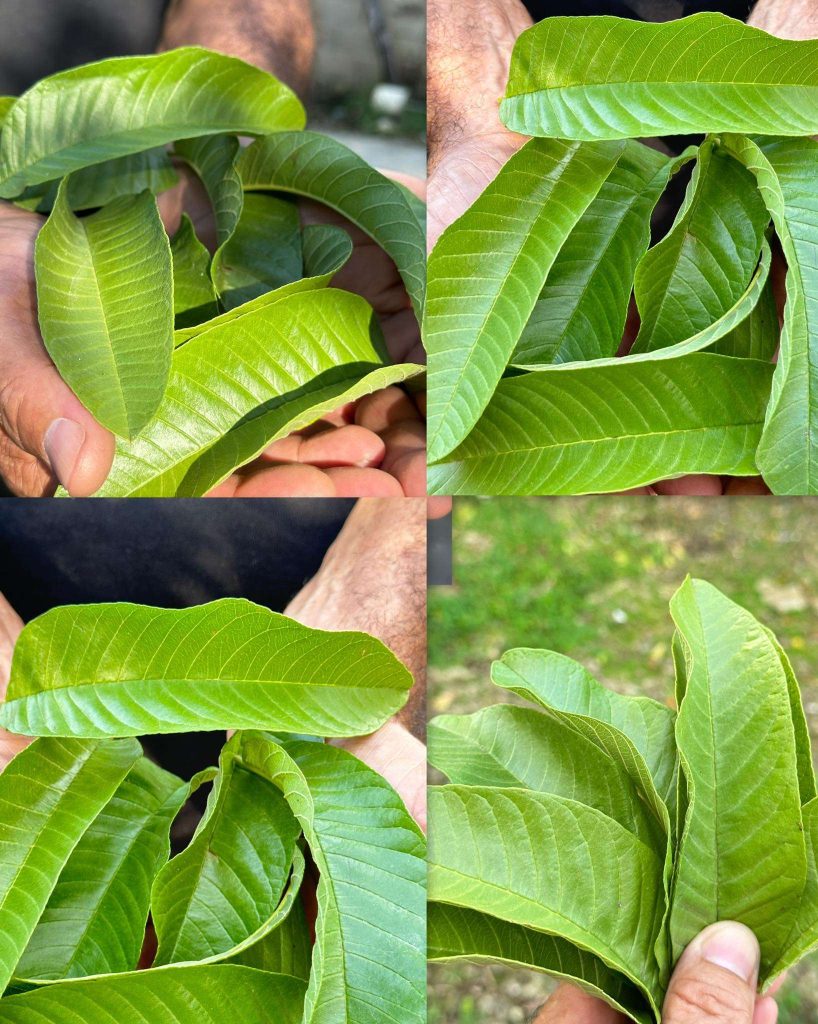
When we think of the guava tree, our minds immediately jump to its sweet, fragrant, and vitamin-C-rich fruit. However, an often-overlooked treasure lies in its vibrant green foliage. For centuries, guava leaves (Psidium guajava) have been a cornerstone in traditional medicine systems across Asia, Africa, and South America. Modern science is now catching up, validating what ancient healers knew all along: these humble leaves are packed with bioactive compounds that offer a multitude of health benefits. This article delves deep into the science-backed advantages of guava leaves, providing you with practical ways to harness their power for enhanced well-being.
A Nutritional Powerhouse in Every Leaf 🔬
Guava leaves are rich in potent antioxidants like quercetin and flavonoids, along with anti-inflammatory and antimicrobial compounds. They contain essential vitamins (notably vitamin C) and minerals, but their true strength lies in phytochemicals such as tannins, saponins, and eugenol. This unique blend is responsible for their wide-ranging therapeutic effects, from stabilizing blood sugar to fighting microbial infections. Understanding this composition is key to appreciating their holistic impact on health.
Key Health Benefits and Practical Applications
The applications of guava leaves are impressively diverse. Here, we explore the most significant, evidence-based benefits.
1. Digestive Health and Weight Management 🍃
Guava leaf tea is renowned for its positive effects on the digestive system. Its antibacterial properties can help combat harmful gut bacteria like Salmonella and E. coli, potentially reducing foodborne illnesses and discomfort. More notably, compounds in the leaves inhibit the absorption of dietary sugars like maltose and sucrose. This action can help prevent blood sugar spikes after meals and may support weight management efforts by reducing the conversion of carbohydrates into stored fat. For a soothing digestive aid, a warm cup of guava leaf tea after a heavy meal is highly recommended.
2. Blood Sugar Regulation and Diabetes Support 📉
This is one of the most researched and promising areas. Studies indicate that guava leaf extract can significantly improve insulin resistance and lower blood sugar levels. The leaves inhibit enzymes like alpha-glucosidase, which are responsible for breaking down carbohydrates into glucose in the gut. This leads to a slower, more controlled release of sugar into the bloodstream. While not a replacement for prescribed medication, incorporating guava leaf tea can be a valuable complementary strategy for managing type 2 diabetes and prediabetes, under medical supervision.
3. Boosting Immunity and Fighting Infections 🛡️
The high concentration of vitamin C and antioxidants makes guava leaves a fantastic immune booster. They help the body combat oxidative stress and free radicals, which are linked to chronic diseases and aging. Furthermore, their antiviral and antibacterial qualities make them a traditional remedy for colds, flu, and coughs. Gargling with a cooled guava leaf tea infusion can soothe a sore throat and reduce oral bacteria, promoting overall oral hygiene and health.
4. Skin, Hair, and Anti-Aging Benefits ✨
The antioxidants in guava leaves fight free radicals that cause skin aging, wrinkles, and loss of elasticity. Applying a guava leaf decoction or paste topically can help treat acne, eczema, and skin inflammation due to its anti-inflammatory and antimicrobial effects. For hair care, boiling the leaves into a rinse can strengthen hair follicles, reduce dandruff, and potentially combat hair loss, leaving your scalp healthier and your hair shinier.
5. Heart Health and Cholesterol Control ❤️
Emerging research suggests that the soluble fiber and antioxidants in guava leaves may contribute to heart health. They may help lower "bad" LDL cholesterol and triglycerides while maintaining "good" HDL cholesterol levels. By improving lipid profiles and reducing blood pressure (thanks to their potassium content and vasodilating effects), guava leaves support overall cardiovascular function and reduce long-term risk factors.
How to Use Guava Leaves: A Simple Guide
Harnessing these benefits is straightforward. You can use fresh, organic leaves or dried leaves (available in health stores).
The most common method is to make tea:
- Thoroughly wash 5-7 fresh leaves.
- Boil them in 1-2 cups of water for 10-15 minutes.
- Strain the liquid and allow it to cool slightly.
- Enjoy it warm or at room temperature. You can add a touch of honey or lemon for flavor.
For topical use, you can create a more concentrated decoction by boiling a handful of leaves, letting it cool completely, and then applying it to the skin or scalp with a cotton pad.
Important Precautions and Final Thoughts
While guava leaves are generally safe for most people, pregnant and breastfeeding women should consult a doctor before use. If you are on medication for diabetes or blood thinners, medical advice is crucial due to potential interactions. Start with small amounts to see how your body reacts.
Conclusion: Embracing a Leaf of Life
The guava tree truly gives more than just its fruit. Its leaves offer a natural, accessible, and multi-faceted approach to health and wellness. From regulating metabolism and boosting immunity to enhancing skin vitality and supporting heart health, the benefits are profound and backed by growing scientific interest. By integrating a simple cup of guava leaf tea into your routine or using it as a topical treatment, you tap into an ancient, yet powerfully relevant, source of healing. 🍵 Explore this natural remedy and discover how this "leaf of life" can contribute to a healthier, more balanced you.
Deja una respuesta