Benefits of Guava Leaves
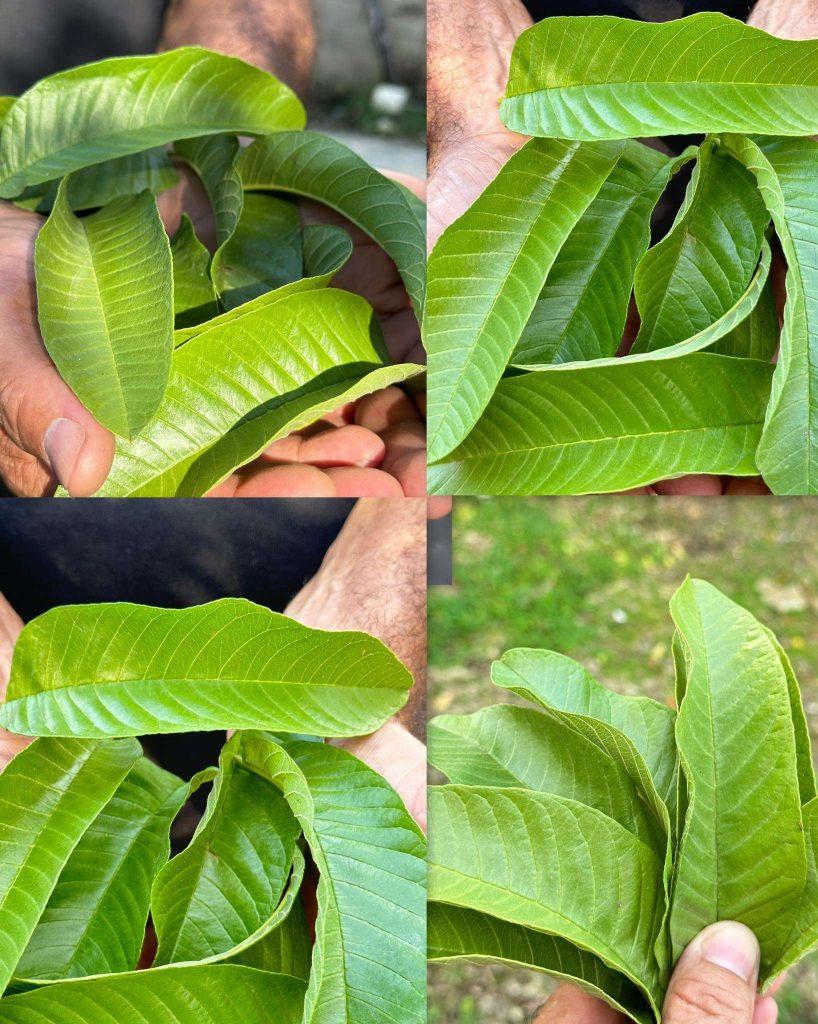
Unlocking Nature's Pharmacy: The Remarkable Benefits of Guava Leaves 🌿
 Espanol
Often overshadowed by its sweet, tangy fruit, the humble guava leaf is a powerhouse of wellness hiding in plain sight. 🍃 For centuries, traditional medicine systems across the tropics have harnessed its potent properties, and modern science is now catching up, validating many of these ancient uses. This article delves deep into the impressive health and practical benefits of guava leaves, moving beyond the surface to explore how this readily available botanical can become a valuable ally in your daily health regimen. We'll uncover the science behind the folklore and provide you with clear, actionable ways to integrate it into your life.
Espanol
A Treasure Trove of Bioactive Compounds ✨
Guava leaves (Psidium guajava) are rich in a symphony of beneficial compounds, including powerful antioxidants like quercetin, flavonoids, and tannins. They are also a notable source of essential oils and vitamins, particularly vitamin C and B vitamins. This unique chemical profile is responsible for their broad-spectrum therapeutic effects, which range from combating microbial infections to regulating blood sugar levels. Unlike the fruit, the leaves offer a more concentrated source of certain antioxidants, making them a distinct and potent remedy.
Digestive Health and Gastrointestinal Relief 🤒
One of the most celebrated uses of guava leaf is for soothing digestive ailments. Its anti-inflammatory and antimicrobial properties make it effective against stomach upsets, food poisoning, and bacterial imbalances. Drinking guava leaf tea is a highly recommended natural remedy for diarrhea and dysentery, as the compounds help inhibit harmful pathogens like Staphylococcus aureus and Salmonella. Furthermore, it can reduce abdominal cramping and the production of excess mucus in the intestines, promoting smoother digestion and comfort. 🫖
A Natural Ally in Blood Sugar Management 📊
Emerging research presents guava leaf as a promising adjunct for managing type 2 diabetes and insulin resistance. Several studies suggest that compounds in the leaf inhibit the absorption of certain types of sugars in the blood, such as maltose and sucrose. Drinking guava leaf tea after meals may help prevent blood sugar spikes, contributing to better long-term glycemic control. While not a replacement for prescribed medication, it is a supportive dietary habit worth discussing with your healthcare provider. 🩺
Promoting Heart Health and Circulation ❤️
The benefits extend to your cardiovascular system. The antioxidants in guava leaves help protect the heart from oxidative stress, while other compounds may aid in lowering "bad" LDL cholesterol and triglycerides. They also have a mild antihypertensive effect, helping to relax blood vessels and improve blood flow. Incorporating guava leaf tea as part of a heart-healthy lifestyle, rich in exercise and a balanced diet, can be a simple yet effective supportive measure.
Skin, Hair, and Anti-Aging Beauty Benefits 🌸
Your external wellness can also benefit. The high antioxidant content fights free radicals that cause premature skin aging, such as wrinkles and loss of elasticity. Applying cooled guava leaf tea as a facial toner or using it in a hair rinse can address specific concerns:
- Acne and Blemishes: Its antimicrobial and anti-inflammatory action helps combat acne-causing bacteria and reduce redness. 🧴
- Scalp Health: It can soothe an itchy, flaky scalp and is sometimes used to combat hair loss by strengthening the roots.
- Skin Irritation: Useful for soothing minor wounds, insect bites, and sunburn due to its healing properties.
Weight Management Support ⚖️
For those on a weight management journey, guava leaf tea can be a helpful, zero-calorie beverage. It prevents complex starches from converting into sugars, a process that can lead to increased fat storage. By modulating carbohydrate absorption, it can complement a calorie-controlled diet and regular exercise, aiding in more effective weight control. Remember, it's a support tool, not a magic solution. 💪
How to Use Guava Leaves: Practical Tips 🍵
To harness these benefits, here are the most common and effective methods:
To make a simple therapeutic tea: Rinse 5-10 fresh, organic leaves (or use 1 tablespoon of dried leaves). Gently crush them to release the oils. Steep in about one cup of boiling water for 5-10 minutes. Strain and enjoy. You can drink 1-2 cups daily. For a stronger decoction, simmer the leaves in water for 15-20 minutes.
For topical use: Prepare a stronger decoction, allow it to cool completely, and apply it to the skin or scalp with a cotton pad or use it as a final hair rinse. Always do a patch test first to check for sensitivity.
Crucial Note: While generally safe, consult your doctor before use if you are pregnant, breastfeeding, on medication (especially for diabetes or blood thinning), or scheduled for surgery. Moderation is key. 🌿
Conclusion: Embracing a Leaf of Wellness 🌟
From stabilizing blood sugar and aiding digestion to enhancing skin health and supporting your heart, guava leaves offer a remarkable, multi-faceted approach to natural wellness. Their strength lies in the synergy of their compounds and their accessibility. By integrating guava leaf tea into your routine, you're not just following a trend; you're tapping into a time-tested reservoir of healing power. We encourage you to explore this natural remedy mindfully, paired with professional medical advice for specific conditions. Start with a simple cup of tea and experience the subtle, nurturing benefits of this incredible gift from nature. Your journey to holistic health might just be a leaf away.
Deja una respuesta