Benefits of Guava Leaves
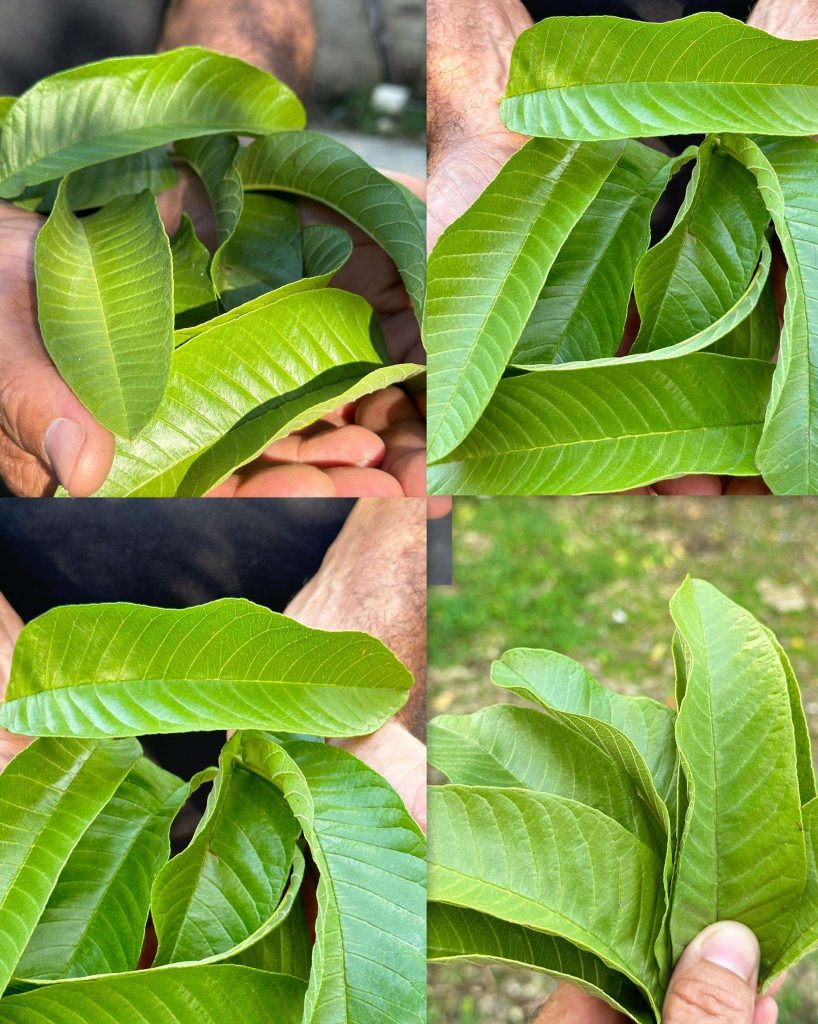
Unlocking Nature's Pharmacy: The Remarkable Benefits of Guava Leaves 🍃
 Espanol
When we think of the guava tree, our minds often go straight to its delicious, vitamin-C-rich fruit. However, lurking just out of the spotlight are its vibrant green leaves, packed with a powerhouse of nutrients and therapeutic compounds. Far from being just foliage, guava leaves have been a cornerstone in traditional medicine across various cultures for centuries. This article delves deep into the science-backed and practical benefits of guava leaves, transforming this humble part of the tree into a must-have in your natural wellness toolkit. We'll explore how to harness their potential safely and effectively for a healthier you.
Espanol
Nutritional Powerhouse: What's Inside the Leaf? 🔬
Guava leaves (Psidium guajava) are a dense source of beneficial bioactive substances. They are rich in potent antioxidants like quercetin and flavonoids, as well as anti-inflammatory compounds such as tannins and saponins. Furthermore, they contain essential oils and are a notable source of vitamins (particularly B-vitamins like Niacin) and minerals. This unique chemical profile is responsible for their wide-ranging health applications, from metabolic support to skin care. Understanding this composition is key to appreciating their multifaceted benefits.
Top Health Benefits Explored
1. Blood Sugar Regulation and Diabetes Support 🩺
One of the most researched benefits of guava leaf tea is its positive effect on blood glucose levels. Compounds in the leaves inhibit the absorption of certain types of sugars in the bloodstream, such as maltose and sucrose. Drinking guava leaf tea after meals may help prevent blood sugar spikes. Some studies suggest it can improve insulin resistance, making it a valuable complementary approach for managing type 2 diabetes. However, it is crucial to consult with a healthcare provider before using it as part of any treatment plan.
2. A Friend to Your Digestive System 🤢➡️😊
Guava leaves have strong antimicrobial and anti-inflammatory properties that can soothe an upset stomach. They are traditionally used to combat diarrhea and dysentery by inhibiting harmful gut bacteria like Staphylococcus aureus. The leaves' anti-spasmodic qualities can also relieve abdominal cramps and bloating. For digestive relief, a warm cup of guava leaf tea is a time-tested remedy. Their astringent qualities may also help strengthen loose stools.
3. Boosting Heart Health ❤️
The heart-healthy potential of these leaves is twofold. First, their high potassium content helps regulate blood pressure by counteracting the effects of sodium. Second, the antioxidants help reduce the oxidation of "bad" LDL cholesterol, a key factor in the formation of arterial plaque. By supporting healthy blood pressure and cholesterol profiles, guava leaf extract contributes to overall cardiovascular wellness.
4. Enhancing Skin Health and Fighting Acne 🌸
The antimicrobial and anti-inflammatory power of guava leaves is excellent for your skin. They can help combat Propionibacterium acnes, the bacteria responsible for acne. A simple face wash made from crushed guava leaves can reduce redness, inflammation, and prevent breakouts. The antioxidants also fight free radicals, slowing down skin aging and improving overall complexion. Applying a cooled guava leaf tea infusion as a toner can provide these benefits directly.
5. Weight Management Aid ⚖️
Guava leaves can support weight loss efforts in a natural way. They help prevent complex carbohydrates from being converted into sugars, which the body can then store as fat. By moderating this process, the leaves can be a helpful component of a balanced diet and exercise regimen for weight management. Drinking the tea without sugar complements a calorie-conscious lifestyle.
6. Oral Health Guardian 🦷
Thanks to their potent anti-inflammatory and antibacterial properties, guava leaves are fantastic for oral care. Chewing on clean, young leaves or using a mouth rinse made from leaf decoction can relieve toothache, heal mouth ulcers, and combat gingivitis. It reduces gum inflammation and fights plaque-causing bacteria, promoting a healthier oral environment.
Practical Guide: How to Use Guava Leaves
To incorporate guava leaves into your routine, the most common method is to make a tea or decoction.
- For Tea: Wash 5-10 fresh leaves (or use 1 tablespoon of dried leaves). Boil them in 1 liter of water for about 10 minutes. Strain and enjoy warm or cold. You can add a hint of honey or lemon for taste, but avoid sugar to maximize benefits.
- Topical Use: For skin or hair, boil a handful of leaves, let the water cool, and use it as a final rinse or apply it to affected areas with a clean cloth.
- Important Tip: Always source leaves from trees not treated with pesticides, or purchase organic dried leaves from reputable suppliers.
Safety and Precautions ⚠️
While generally safe for most people, it's important to exercise caution. Pregnant and breastfeeding women should consult a doctor before use. Those on medication for diabetes or blood thinners must seek medical advice due to potential interactions. Start with small amounts to see how your body reacts, and never substitute professional medical treatment with guava leaf remedies for serious conditions.
Conclusion: A Leaf Worth Embracing
From regulating blood sugar and aiding digestion to enhancing skin and heart health, guava leaves prove that sometimes the greatest treasures are found in the most unexpected places—wrapped around a common fruit. 🌿 This versatile natural remedy offers a complementary path to wellness, grounded in both tradition and emerging science. By understanding their properties and using them wisely, you can unlock a simple yet powerful tool for holistic health. We encourage you to explore the benefits of guava leaves, perhaps starting with a soothing cup of tea, and experience firsthand how this ancient remedy can fit into your modern, health-conscious life.
Deja una respuesta