Benefits of Guava Leaves
 Espanol
Espanol
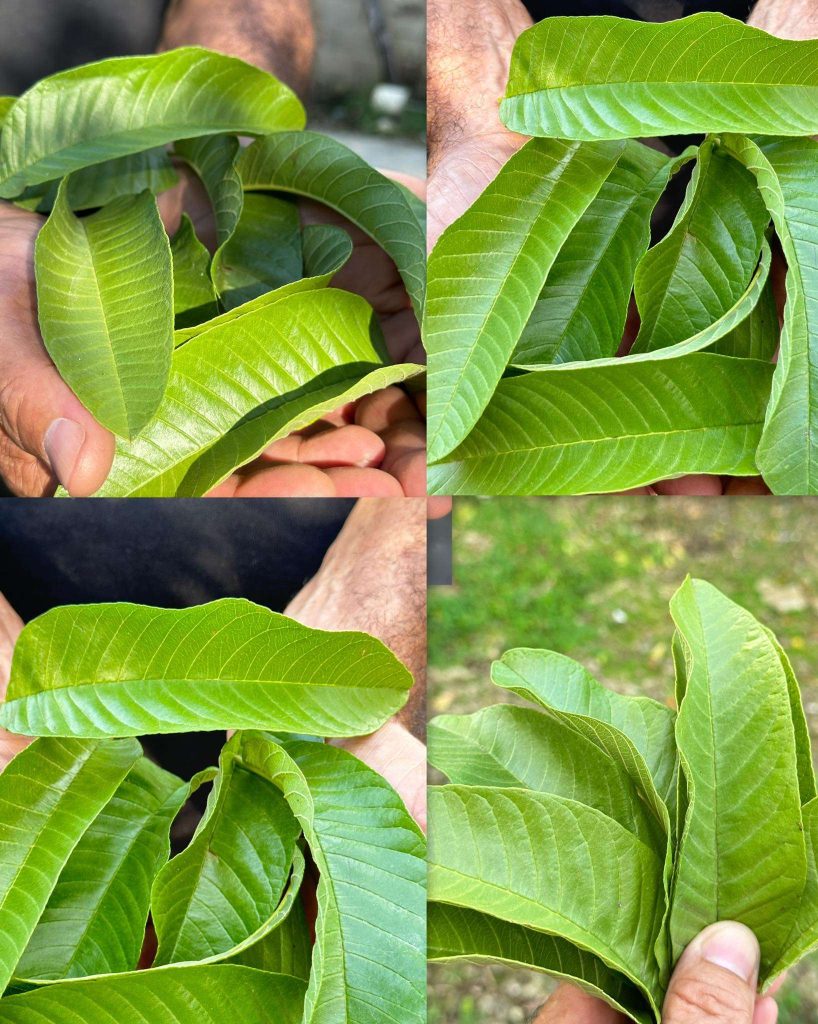
🌿 Beyond the Fruit: Discovering the Hidden Treasure of Guava Leaves
When we think of the guava tree, our minds often jump straight to its delicious, vitamin C-rich fruit. 🍈 However, an often-overlooked part of this remarkable plant holds a wealth of health-promoting properties: its leaves. For centuries, guava leaves have been a staple in traditional medicine across various cultures, and modern science is now catching up, validating many of their purported benefits. This article delves deep into the practical, evidence-backed advantages of incorporating guava leaves into your wellness routine, offering a professional yet friendly guide to harnessing their natural power. Get ready to see this common leaf in a brilliant new light! ✨
🧪 A Potent Phytochemical Profile: What Makes Guava Leaves Special?
The efficacy of guava leaves stems from their dense concentration of beneficial plant compounds. They are packed with powerful antioxidants like flavonoids (particularly quercetin) and carotenoids, which combat oxidative stress and cellular damage in the body. Furthermore, they contain significant anti-inflammatory agents and tannins, along with essential oils and vitamins. This unique blend is responsible for the leaves' broad-spectrum health applications, from metabolic support to skin care. It's a true example of nature's sophisticated pharmacy. 🔬
💊 Top Health Benefits Backed by Tradition and Science
Let's explore the specific, practical benefits you can expect from guava leaves.
1. Blood Sugar Regulation 🩸
One of the most celebrated uses of guava leaf tea is for supporting healthy blood sugar levels. Compounds in the leaves inhibit the absorption of certain types of sugars (like maltose and sucrose) in the intestine. Drinking guava leaf tea after meals may help prevent blood sugar spikes. Some studies suggest it can improve insulin resistance, making it a valuable complementary approach for prediabetes and type 2 diabetes management. Always consult your doctor before making changes to your management plan.
2. Digestive System Support 🤢
Guava leaves possess strong antimicrobial and anti-inflammatory properties that can soothe the digestive tract. They are particularly effective against common culprits of diarrhea and stomach upset. The leaves' extracts can inhibit the growth of harmful bacteria like Staphylococcus aureus and E. coli. For a practical tip: a warm cup of guava leaf tea can ease symptoms of food poisoning, gastritis, and indigestion. It also helps reduce abdominal pain and bloating. 🫖
3. Heart Health Champion ❤️
By helping to regulate blood pressure and "bad" LDL cholesterol levels, guava leaves contribute to cardiovascular wellness. The high potassium content aids in balancing sodium levels and relaxing blood vessels, while the antioxidants prevent the oxidation of cholesterol—a key step in the formation of arterial plaque. Incorporating the tea can be a simple, heart-smart habit.
4. Skin and Hair Elixir ✨
Applied topically, guava leaf concoctions can work wonders for your skin and hair. Their antimicrobial and anti-inflammatory nature makes them excellent for treating acne, reducing redness, and fading dark spots. You can create a simple face toner by boiling leaves, cooling the water, and applying it with a cotton pad. For hair, a leaf rinse can combat dandruff, strengthen hair follicles, and potentially slow down hair loss, thanks to its nutrient-rich profile.
5. Immune and Oral Health Boost 🛡️
The high vitamin C content (even in the leaves!) coupled with antioxidants provides a solid boost to your immune system. Chewing on fresh, clean guava leaves or using a mouthwash made from their decoction is a traditional remedy for toothaches, gum inflammation, and mouth ulcers due to their analgesic and antibacterial qualities. 😁
🍃 How to Use Guava Leaves: Practical Methods and Tips
Knowing the benefits is one thing; applying them is another. Here are the most common and effective ways to use guava leaves.
Guava Leaf Tea (The Standard Method): This is the simplest way to consume the leaves internally. Rinse 5-10 fresh, organic leaves (or use 1 tablespoon of dried leaves). Gently crush them to release the oils, then add to a pot with about 2 cups of water. Boil for 10-15 minutes, strain, and enjoy. You can drink it warm or chilled. For flavor, add a slice of ginger, lemon, or a touch of honey. 🍯
Topical Applications: For skin washes or hair rinses, prepare a stronger decoction by boiling a larger handful of leaves in water for 15-20 minutes. Let it cool completely before applying to the affected area or using as a final hair rinse after shampooing.
Key Precautions: While generally safe, start with small amounts to see how your body reacts. Pregnant or breastfeeding women and individuals on medication (especially for diabetes or blood thinning) should consult a healthcare professional before regular use.
🎯 Conclusion: Embrace a Leaf of Life
Guava leaves are far more than just tree foliage; they are a versatile, accessible, and potent natural remedy with a multitude of proven benefits. From aiding digestion and blood sugar control to enhancing skin radiance and supporting heart health, this humble leaf offers a holistic approach to wellness. By integrating guava leaf tea into your daily routine or using it in topical treatments, you are tapping into an ancient wisdom that modern science continues to affirm. 🌍 We encourage you to explore this natural gift—source some fresh or dried leaves, brew a comforting cup of tea, and experience the benefits firsthand. Your journey to a more natural, empowered health regimen might just begin with a single leaf. 🌱
Deja una respuesta