Benefits of Guava Leaves
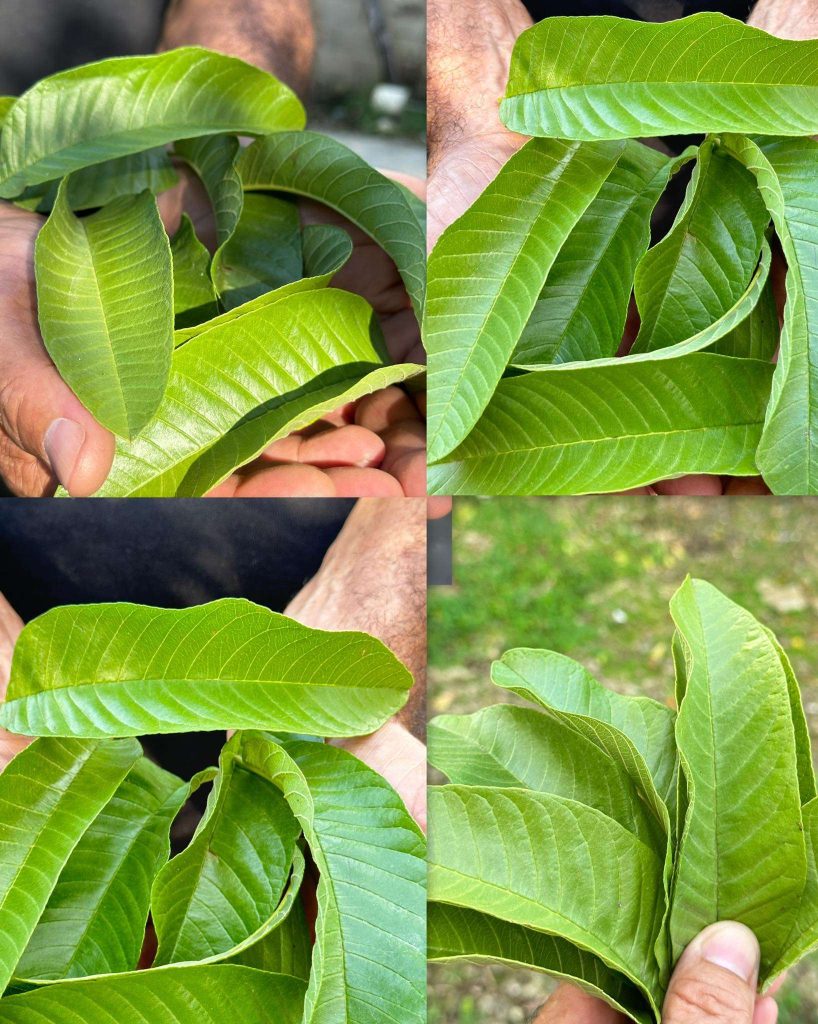
🌟 Introduction: Rediscovering Nature's Pharmacy 🌿
 Espanol
Often overshadowed by its delicious fruit, the humble guava leaf is a powerhouse of wellness waiting to be explored. 🍃 While many of us enjoy the sweet and tangy taste of guava, few are aware of the incredible medicinal properties hidden in its vibrant green leaves. For centuries, traditional healing systems across the globe have harnessed these leaves to treat a wide array of ailments. Today, modern science is beginning to validate what ancient wisdom has long known. This article delves deep into the remarkable benefits of guava leaves, moving beyond superficial claims to provide you with practical, evidence-backed insights. We'll explore how this readily available natural resource can contribute to your health, from managing blood sugar to enhancing skin radiance. Get ready to unlock the secrets of this often-overlooked part of the guava tree and learn how to incorporate it into your daily routine for a healthier life. ✨
Espanol
🧪 Nutritional Profile: What's Inside the Leaf?
To understand why guava leaves are so beneficial, we must first look at their rich composition. These leaves are packed with potent bioactive compounds, including flavonoids (like quercetin), carotenoids, polyphenols, and essential oils. They are an excellent source of antioxidants, which are crucial for combating oxidative stress and inflammation in the body. Furthermore, guava leaves contain important vitamins such as Vitamin C and B vitamins, along with minerals like potassium and magnesium. This unique synergy of compounds is responsible for the leaf's wide-ranging therapeutic effects. The high concentration of quercetin, in particular, is linked to strong anti-inflammatory and anti-allergic properties. 🧬 Understanding this foundation allows us to better appreciate the specific health benefits that follow.
🩺 Blood Sugar Regulation and Diabetes Support
One of the most well-researched benefits of guava leaves is their ability to help regulate blood glucose levels. 🍬 Studies suggest that compounds in the leaves inhibit the absorption of certain types of sugars in the intestine, such as maltose and sucrose. More importantly, they may improve insulin sensitivity and resistance. For those managing type 2 diabetes or pre-diabetes, drinking guava leaf tea can be a supportive, natural practice. The recommended method is to boil a handful of clean leaves in water for about 10 minutes, strain, and consume the tea once or twice daily. It is crucial, however, to consult with a healthcare provider before using it as a treatment, as it may interact with diabetes medication. This offers a promising, complementary approach to a balanced diet and exercise regimen.
❤️ Heart Health and Cholesterol Management
Your cardiovascular system can also reap rewards from guava leaves. ❤️ The leaves may help improve heart health by lowering "bad" LDL cholesterol and triglycerides while potentially raising "good" HDL cholesterol. The potassium content helps regulate blood pressure by counteracting the effects of sodium and easing tension in the blood vessel walls. The antioxidant properties protect the heart from oxidative damage. Incorporating guava leaf tea into a heart-healthy lifestyle that includes a balanced diet and regular physical activity can provide synergistic benefits. It’s a simple, preventive measure that supports long-term cardiovascular wellness.
🤧 Digestive Wellness and Anti-Diarrheal Properties
Guava leaves have been a go-to remedy for digestive issues in many cultures. 🤢 Their strong antimicrobial and anti-inflammatory properties can help combat harmful bacteria in the gut, such as *Staphylococcus aureus* and *E. coli*, which are often responsible for food poisoning and diarrhea. The leaves act as a gastroprotective agent, soothing the intestinal lining. For acute digestive discomfort, a cup of strong guava leaf tea can provide significant relief. For this purpose, it's often recommended to boil the leaves for a longer period (15-20 minutes) to extract the maximum amount of tannins and other astringent compounds that help reduce bowel inflammation and fluid secretion.
👩⚕️ Skin and Hair Health: External Applications
The benefits of guava leaves aren't limited to internal consumption; they are fantastic for topical use as well. 💆♀️ Thanks to their antimicrobial and anti-inflammatory compounds, a cooled guava leaf decoction can be used as a facial toner to help combat acne, reduce redness, and tighten pores. The antioxidants fight free radicals that contribute to premature aging. For hair health, boiling the leaves and using the water as a final rinse can help strengthen hair follicles, reduce dandruff, and add a natural shine. Creating a simple guava leaf paste for occasional spot treatment of acne or irritated skin is a highly effective natural skincare hack. This dual-purpose use makes the leaf a valuable addition to your beauty cabinet.
🦷 Oral Health: A Natural Mouthwash
Struggling with toothaches, gum inflammation, or mouth ulcers? Guava leaves might offer a solution. 😁 They possess powerful analgesic (pain-relieving) and anti-inflammatory properties. Chewing on a clean, tender guava leaf can temporarily relieve toothache pain. More commonly, a mouthwash made from steeped guava leaves can help reduce plaque, treat gingivitis, and freshen breath due to its ability to inhibit oral pathogens. Swishing with guava leaf tea daily can be an excellent adjunct to your regular oral hygiene routine. It’s a natural, chemical-free way to promote a healthier oral microbiome and prevent common dental issues.
⚠️ Important Precautions and How to Use
While guava leaves are generally safe for most people, certain precautions are necessary. ⚠️ Pregnant and breastfeeding women should avoid therapeutic doses due to a lack of sufficient safety data. As mentioned, individuals on diabetes or blood-thinning medication must consult a doctor, as the leaves can potentiate the effects of these drugs. Always start with a small amount to check for any allergic reactions. The safest and most common method of consumption is as a tea. To prepare it: Wash 5-10 fresh, organic leaves thoroughly. Boil them in 1-2 cups of water for 10-15 minutes. Strain the liquid and allow it to cool. You can drink it warm or cold, optionally adding a natural sweetener like honey or a slice of lemon for flavor. The leaves can also be dried and stored for later use.
🎯 Conclusion: A Leaf of Many Talents
In summary, the guava leaf is far more than just tree foliage; it is a versatile, accessible, and potent natural remedy with a multitude of scientifically-supported benefits. 🌳 From playing a supportive role in managing blood sugar and cholesterol to enhancing your skin, hair, and digestive health, its applications are impressively broad. We've explored how its rich profile of antioxidants, flavonoids, and anti-inflammatory compounds work together to promote overall wellness. The key takeaway is that integrating guava leaf tea into your routine can be a simple yet powerful step toward preventive health. However, remember that it is a complement, not a substitute, for a balanced lifestyle and professional medical advice. Why not brew your first cup today and experience the natural benefits of this extraordinary leaf? Your journey to harnessing nature's pharmacy begins with a single leaf. 🍵
Deja una respuesta