Benefits of Guava Leaves
 Espanol
Espanol
Introduction: More Than Just a Fruit Tree 🌳
When we think of the guava tree, our minds immediately go to its sweet, fragrant fruit. However, a true treasure often overlooked lies in its vibrant green foliage. Guava leaves are a powerhouse of nutrients and bioactive compounds, offering a wide array of health benefits backed by both traditional wisdom and modern science. This article will delve into the remarkable advantages of incorporating guava leaves into your wellness routine, providing you with practical, evidence-based insights to harness their natural potency. Let's explore why these leaves deserve a prominent place in your natural health toolkit.
Nutritional Powerhouse: What's Inside the Leaf? 🔬
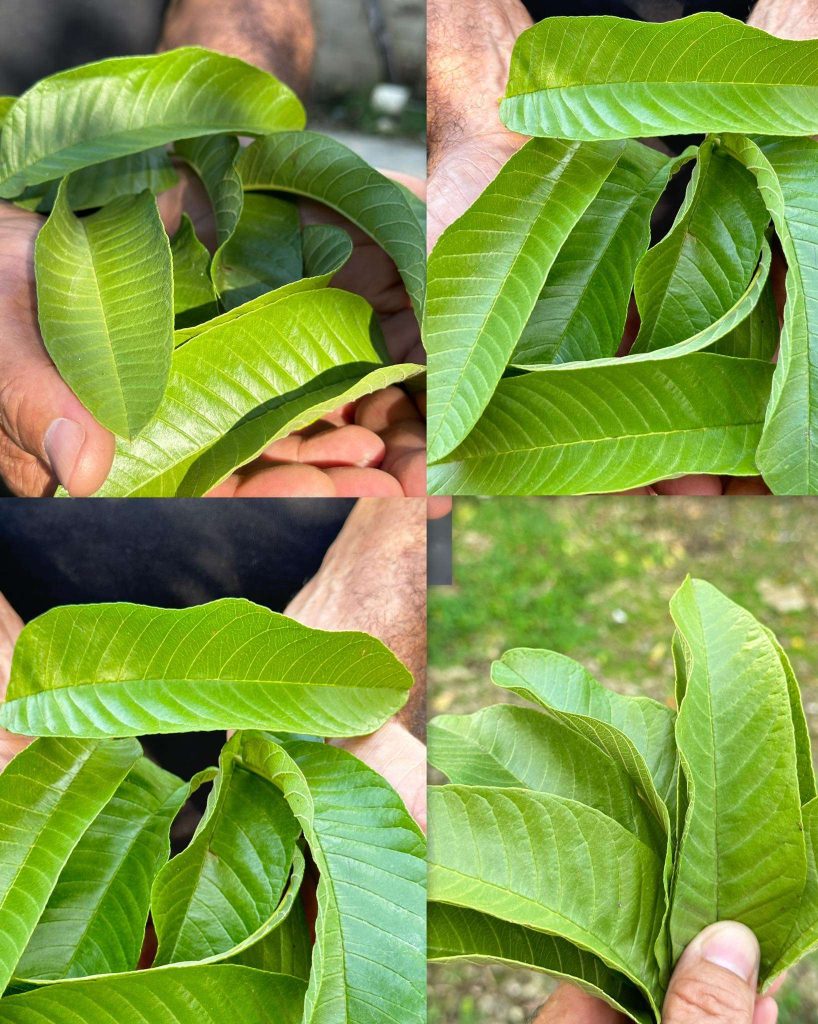
Guava leaves (Psidium guajava) are packed with a rich profile of antioxidants, vitamins, and anti-inflammatory agents. They are an excellent source of vitamin C, flavonoids like quercetin, and potent compounds such as tannins, saponins, and carotenoids. This unique combination is responsible for most of their therapeutic effects. The high concentration of antioxidants is key to combating oxidative stress, one of the root causes of chronic diseases and aging. Unlike the fruit, the leaves have a distinct, slightly bitter profile, indicating their dense phytochemical content.
Key Health Benefits and Practical Applications 🌿
The applications of guava leaves are diverse, ranging from metabolic health to skincare. Here are some of the most significant, researched-backed benefits:
Managing Blood Sugar Levels 📉
One of the most celebrated benefits of guava leaf tea is its positive impact on blood glucose regulation. Studies suggest that compounds in the leaves inhibit the absorption of certain types of sugars in the bloodstream, such as maltose and sucrose. Drinking guava leaf tea after meals may help prevent blood sugar spikes. This makes it a valuable supportive habit for individuals managing insulin resistance or type 2 diabetes, though it should not replace prescribed medication. 🩺
Boosting Digestive Health 🤢➡️🤗
Guava leaves have been used for centuries to soothe digestive ailments. Their antibacterial properties can help combat harmful gut bacteria like Salmonella and E. coli, while their anti-inflammatory nature soothes the lining of the stomach and intestines. For diarrhea or stomach upsets, a strong cup of guava leaf tea can provide relief and reduce discomfort. The leaves also contain fiber which aids in promoting healthy bowel movements.
Enhancing Skin and Hair Health ✨
The antioxidant and antimicrobial profile of guava leaves translates beautifully into topical benefits. A cooled guava leaf decoction can be used as a facial toner to fight acne, reduce inflammation, and tighten pores. For hair, rinsing with guava leaf water is believed to strengthen hair follicles, combat dandruff, and promote healthy growth. Applying crushed leaf paste directly to wounds or insect bites can accelerate healing and prevent infection. It's nature's first-aid kit! 🩹
Supporting Heart Health and Weight Management ❤️
The holistic benefits extend to cardiovascular wellness. The leaves may help lower "bad" LDL cholesterol and triglycerides while supporting "good" HDL cholesterol, thanks to their fiber and antioxidant content. Furthermore, by potentially inhibiting the complex conversion of carbohydrates into usable sugars, guava leaves can be a helpful adjunct in a weight management plan. Replacing sugary beverages with unsweetened guava leaf tea is a simple, calorie-free swap with added benefits.
How to Use Guava Leaves: A Practical Guide 🫖
To incorporate guava leaves into your daily life, follow these simple methods:
1. Guava Leaf Tea: The most common method. Wash 5-10 fresh leaves (or use 1 tablespoon of dried leaves). Gently crush them to release the oils, then steep in a cup of hot water for 5-10 minutes. Strain and enjoy. You can add a dash of honey or lemon for flavor, but it's best consumed without sugar to maximize benefits.
2. Topical Application: For skin or hair, boil a handful of leaves in 1 liter of water for 15-20 minutes. Let the solution cool completely, then strain. Use it as a final hair rinse or apply to the skin with a cotton pad.
3. Leaf Extract Powder: Available as a supplement, but ensure you purchase from a reputable source and consult a healthcare provider, especially if you have underlying conditions or are pregnant/nursing.
Important Note: While generally safe, moderation is key. Start with a weak tea to see how your body reacts. Always consult with a doctor before using it for therapeutic purposes, particularly if you are on medication.
Conclusion: A Leaf of Great Promise 🌱
In summary, guava leaves are far more than just tree foliage; they are a versatile, accessible, and potent natural remedy. From regulating blood sugar and aiding digestion to enhancing skin vitality and supporting heart health, their benefits are impressive and multifaceted. By learning to use these leaves—whether as a warm, soothing tea or a refreshing topical tonic—you can tap into an ancient, yet scientifically relevant, source of wellness. We encourage you to explore this natural option thoughtfully, integrating it as a complementary part of a balanced, healthy lifestyle. The guava tree's greatest gift might just be hanging above the fruit, waiting to be discovered. 🍃
Deja una respuesta