Benefits of Guava Leaves
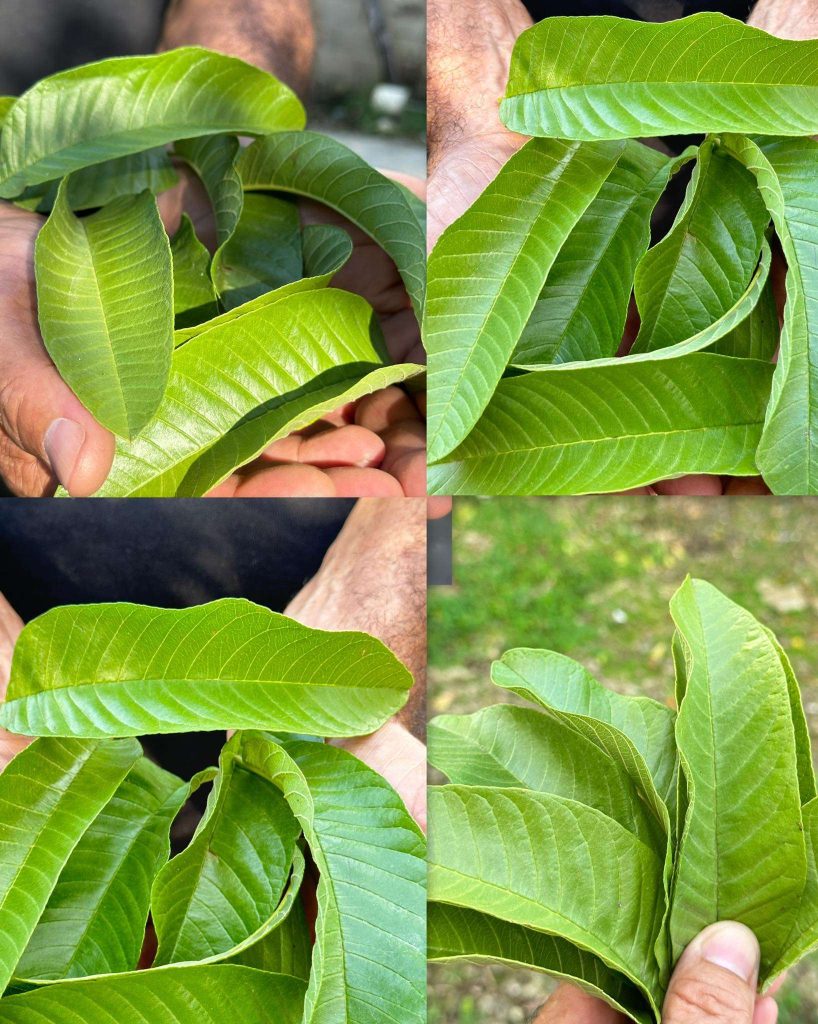
🌿 Introduction: Discover the Power of the Humble Guava Leaf
 Espanol
Often overshadowed by its delicious fruit, the guava tree (Psidium guajava) holds a secret in its vibrant green leaves. For centuries, these leaves have been a cornerstone in traditional medicine across various cultures, from Ayurveda in India to herbal practices in South America and Africa. 🍃 Modern science is now catching up, validating what ancient healers long knew: guava leaves are a powerhouse of nutrients and bioactive compounds. This article will explore the impressive health and wellness benefits of guava leaves, offering practical ways to incorporate this natural remedy into your daily routine for enhanced vitality.
Espanol
💊 A Treasure Trove of Beneficial Compounds
Guava leaves are not just simple foliage; they are a concentrated source of potent substances that drive their therapeutic effects. They are exceptionally rich in antioxidants, including flavonoids like quercetin, and vitamins such as vitamin C and A. Furthermore, they contain beneficial compounds with anti-inflammatory and antimicrobial properties, such as tannins, saponins, and carotenoids. This unique blend is responsible for the wide array of health benefits associated with the leaves. The key to unlocking these benefits often lies in proper preparation, typically as a tea or topical extract. 🌱
🩺 Key Health Benefits of Guava Leaves
Let's delve into the specific, evidence-backed advantages that guava leaf consumption or application can provide.
Supports Digestive Health & Soothes Discomfort
Guava leaf tea is renowned for its positive impact on the gastrointestinal system. The leaves contain compounds that can help inhibit the growth of harmful bacteria like Staphylococcus aureus and E. coli in the gut, while allowing beneficial flora to thrive. This makes it an excellent remedy for food poisoning and acute gastroenteritis. 🦠 More commonly, the anti-spasmodic properties help relax intestinal muscles, alleviating symptoms of bloating, cramps, and general stomach upset. For those struggling with diarrhea, the tannins in the leaves have a mild constipating effect, helping to solidify stools and reduce frequency.
Promotes Healthy Blood Sugar Levels
This is one of the most celebrated and researched benefits. Studies suggest that guava leaf extract can help improve insulin resistance and lower blood sugar levels. The compounds in the leaves appear to inhibit certain enzymes that convert carbohydrates in the digestive tract into glucose, potentially leading to a slower absorption of sugar. 📉 While not a replacement for prescribed medication, drinking guava leaf tea may be a beneficial complementary practice for individuals with prediabetes or type 2 diabetes, under a doctor's supervision.
Boosts Heart Health and Circulation
The antioxidant and anti-inflammatory prowess of guava leaves extends to the cardiovascular system. The leaves may help lower "bad" LDL cholesterol and triglycerides, while supporting "good" HDL cholesterol. By preventing the oxidation of LDL cholesterol, they help reduce the risk of atherosclerosis—the buildup of plaque in arteries. The potassium content in the leaves also contributes to healthy blood pressure by counteracting the effects of sodium and easing tension in blood vessel walls. ❤️
Enhances Skin, Hair, and Oral Health
Applied topically, guava leaf extracts work wonders for beauty and hygiene. For the skin, their anti-inflammatory and antimicrobial properties make them effective against acne, redness, and itching. A cooled guava leaf tea rinse can soothe sunburns and minor skin irritations. For your hair, a scalp rinse with the tea is believed to combat dandruff and strengthen hair follicles, potentially reducing hair loss. 😊 In oral care, chewing on young leaves or using a mouthwash made from leaf decoction can relieve toothache, heal mouth ulcers, and treat gingivitis due to its strong antibacterial activity.
🍵 How to Use Guava Leaves: Practical Tips
To harness these benefits, here are simple and effective methods for preparation:
- Guava Leaf Tea: The most common method. Wash 5-10 fresh leaves (or use 1 tablespoon of dried leaves). Gently crush them to release the oils, then steep in a cup of hot water for 5-10 minutes. Strain and enjoy. You can add honey or lemon for taste. Drink 1-2 times daily.
- Topical Application for Skin: Boil a handful of leaves in water for 15-20 minutes. Let the solution cool completely. Use a clean cloth to apply the liquid to affected areas like acne, eczema, or minor wounds as a soothing wash.
- Hair and Scalp Rinse: After your regular shampoo, use a strong guava leaf tea as a final rinse. Massage it into your scalp, leave it on for a few minutes, then rinse with cool water. This can promote scalp health and shine.
Always ensure you source organic, pesticide-free leaves, whether fresh or dried. 🍂 Start with small amounts to see how your body reacts, and consult a healthcare professional if you have underlying conditions or are pregnant/nursing.
✅ Conclusion: A Simple Addition for Holistic Wellness
In summary, guava leaves are a remarkably versatile and accessible natural remedy. From aiding digestion and supporting metabolic health to protecting your heart and enhancing your skin's appearance, their benefits are both broad and significant. 🎯 While they are not a magic cure-all, incorporating guava leaf tea or extracts into a balanced lifestyle can be a proactive step toward preventive health. We encourage you to explore this gift from nature, respecting its potency and pairing it with a healthy diet and regular exercise. Why not brew your first cup today and experience the gentle, nurturing power of the guava leaf for yourself?
Deja una respuesta