Benefits of Guava Leaves
 Espanol
Espanol
🍃 While the humble guava fruit is celebrated for its delicious taste and vitamin C content, its leaves are a hidden gem in the world of natural wellness. Often overlooked, these aromatic leaves are packed with a powerful array of bioactive compounds that offer a surprising range of health benefits. From ancient herbal remedies to modern scientific interest, guava leaves are gaining recognition as a versatile, natural aid for various health concerns. This article delves into the science-backed advantages of incorporating guava leaves into your wellness routine, offering you practical ways to harness their potential. 🩺
The Nutritional Powerhouse: What's Inside Guava Leaves?
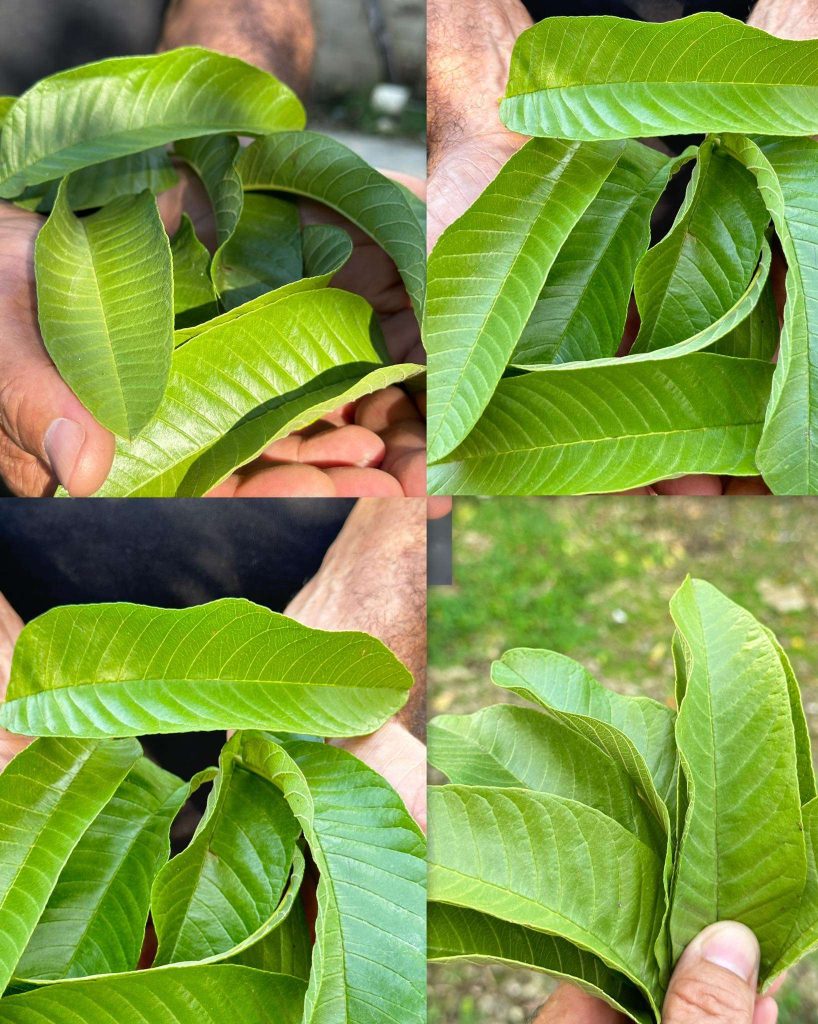
Guava leaves (Psidium guajava) are more than just foliage; they are a concentrated source of beneficial substances. They are rich in potent antioxidants like quercetin, flavonoids, and carotenoids, which combat oxidative stress and cellular damage in the body. Furthermore, they contain essential anti-inflammatory compounds and have significant antimicrobial properties. Notably, they are a source of tannins, saponins, and vitamin C, all contributing to their therapeutic effects. This unique biochemical profile is the foundation for the wide array of health benefits they provide.
Top Health Benefits of Guava Leaves 🥇
Let's explore the specific, evidence-supported ways guava leaves can contribute to your health. These benefits move beyond folklore, with a growing body of research highlighting their practical applications.
1. Blood Sugar Regulation: One of the most studied benefits is their positive effect on blood glucose levels. Compounds in the leaves inhibit certain enzymes that convert carbohydrates into sugar in the bloodstream. Drinking guava leaf tea after meals may help prevent blood sugar spikes, making it a valuable complementary practice for those managing insulin sensitivity or type 2 diabetes. 📉
2. Digestive Health Support: Guava leaves have been traditionally used to soothe an upset stomach and improve digestive function. Their antimicrobial properties can help combat harmful bacteria like E. coli and Staphylococcus aureus in the gut, potentially reducing foodborne illness and infections. They also possess antispasmodic qualities, which can alleviate cramps, bloating, and discomfort. A warm cup of guava leaf tea can be remarkably calming for the digestive tract. 💚
3. Heart Health and Cholesterol Management: The antioxidants in guava leaves contribute to cardiovascular wellness. They may help lower "bad" LDL cholesterol and triglycerides while supporting "good" HDL cholesterol levels. By preventing the oxidation of cholesterol—a key step in plaque formation—these leaves can promote cleaner arteries and better blood flow, thereby supporting overall heart health. ❤️
4. Skin and Hair Enhancement: The antimicrobial and anti-inflammatory traits of guava leaves extend to topical applications. A cooled guava leaf decoction can be used as a facial rinse to combat acne, reduce redness, and tighten pores. For hair, applying the tea to the scalp may help with dandruff control and strengthen hair follicles, potentially reducing hair loss and promoting a healthier scalp environment. ✨
5. Weight Management Aid: By helping to regulate blood sugar and block the conversion of complex carbohydrates into sugars, guava leaves can be a supportive tool in a weight management plan. This action helps control cravings and provides a more stable energy release, which can prevent overeating and support metabolic health.
How to Use Guava Leaves: Practical Tips and Methods 🍵
Incorporating guava leaves into your lifestyle is simple and cost-effective. Here are the most common and practical methods:
Guava Leaf Tea (Infusion): This is the most popular method. Simply rinse 5-10 fresh, clean leaves (or use 1 tablespoon of dried leaves). Boil them in about 2 cups of water for 10-15 minutes. Strain and enjoy. You can drink it warm or chilled. For best results regarding blood sugar, consume it once daily, preferably after a meal.
Topical Application: For skin issues, prepare a stronger brew, let it cool completely, and apply it to the affected area with a clean cotton pad. For hair, use the tea as a final rinse after shampooing, massaging it into the scalp.
Important Note: While generally safe, it is crucial to consult with your healthcare provider before using guava leaves therapeutically, especially if you are pregnant, breastfeeding, on medication (particularly for diabetes or blood thinning), or have a scheduled surgery. Start with small amounts to see how your body reacts.
Conclusion: Embracing a Natural Wellness Ally
🌿 In summary, guava leaves are a remarkable, accessible natural resource with a multifaceted profile of health benefits. From regulating blood sugar and aiding digestion to supporting heart health and enhancing skin and hair, these leaves offer a holistic approach to wellness. Their use as a tea or topical treatment is straightforward, making it easy to integrate into daily routines. While they are a powerful complementary aid, remember they are not a substitute for professional medical advice or treatment. We encourage you to explore the potential of guava leaves—this simple, natural ingredient might just become a valuable staple in your journey toward balanced, informed health. Start with a cup of tea and experience the subtle power of nature's pharmacy. 🍃
Deja una respuesta