Benefits of Guava Leaves
 Espanol
Espanol
Often overshadowed by its sweet, tangy fruit, the humble guava leaf is a powerhouse of wellness waiting to be discovered. 🌿 While the guava fruit gets most of the glory, its leaves have been used for centuries in traditional medicine across the tropics, and modern science is now catching up to validate their incredible properties. This article will delve deep into the substantial, research-backed benefits of guava leaves, transforming the way you view this common plant. From stabilizing blood sugar to rejuvenating your skin, we'll explore practical ways to harness these benefits in your daily routine.
Beyond the Fruit: Unveiling the Power of the Leaf 🍃
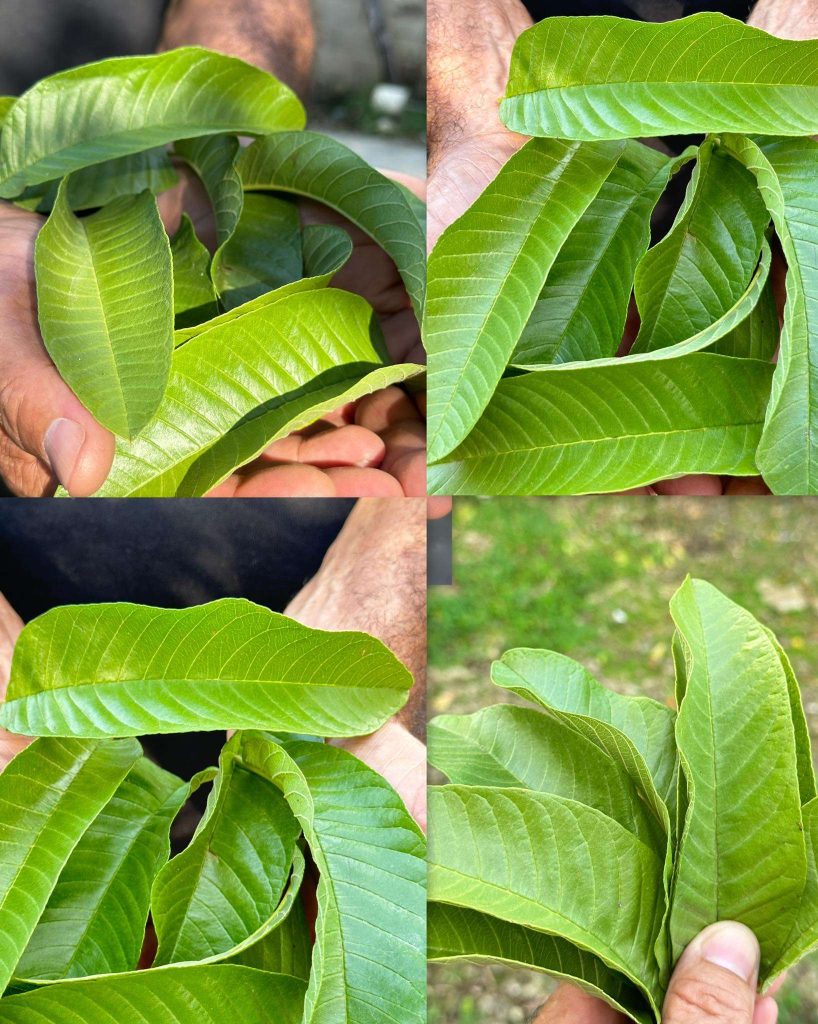
Guava leaves (Psidium guajava) are packed with a potent blend of bioactive compounds, including flavonoids (like quercetin), carotenoids, polyphenols, and essential oils. These compounds act as strong antioxidants and anti-inflammatory agents within the body. Unlike the fruit, the leaves are typically consumed as a tea, extract, or in powdered form, offering a concentrated dose of their health-promoting elements without the natural sugars. Embracing guava leaves is a simple yet profound step toward a more natural and holistic approach to health.
A Friend to Your Digestive System 🤢➡️🤗
Perhaps one of the most celebrated uses of guava leaves is for digestive comfort. They possess strong antimicrobial and anti-inflammatory properties that can help combat bad bacteria like Staphylococcus aureus and E. coli in the gut, which are often responsible for food poisoning and diarrhea. For acute digestive upset, a strong cup of guava leaf tea can provide soothing relief and help restore balance. Furthermore, the leaves may help reduce the production of excess stomach acid, alleviating symptoms of gastritis and even peptic ulcers. For daily wellness, incorporating a mild guava leaf tea can support overall gut health and promote smoother digestion.
Natural Blood Sugar Management 📊
Emerging research presents guava leaf tea as a promising ally for blood sugar control. Several compounds in the leaves inhibit the absorption of certain types of sugars (like maltose and sucrose) in the intestine. More importantly, they appear to improve insulin sensitivity and resistance. While not a replacement for prescribed medication, drinking guava leaf tea after meals may help mitigate blood sugar spikes. A consistent routine, coupled with a balanced diet and exercise, can be a valuable part of a proactive health strategy for those monitoring their glucose levels. Always consult with your healthcare provider before making significant changes.
Radiant Skin and Healthy Hair ✨
Your external beauty often reflects internal health, and guava leaves contribute here as well. Their high antioxidant content fights free radicals that cause oxidative stress, a primary driver of premature skin aging like wrinkles and loss of elasticity. The anti-inflammatory and antimicrobial properties make a topical guava leaf decoction an excellent remedy for acne, redness, and skin irritation. Try using cooled guava leaf tea as a facial toner or rinse to clarify your complexion. For hair health, boiling the leaves into a potent rinse can strengthen hair follicles, combat dandruff, and promote growth, leaving your hair looking fuller and shinier.
Boosting Heart Health and Immunity ❤️🛡️
The benefits extend to your cardiovascular and immune systems. The leaves may help lower "bad" LDL cholesterol and triglycerides while supporting "good" HDL cholesterol, thanks to their fiber and antioxidant content. This contributes to clearer arteries and reduced blood pressure. Simultaneously, the vitamin C and immune-boosting compounds in the leaves enhance your body's natural defense mechanisms. Making guava leaf tea a part of your daily ritual during cold and flu season can provide an extra layer of protection. It’s a simple, caffeine-free habit with compounding long-term rewards for your heart and overall resilience.
Practical Ways to Incorporate Guava Leaves into Your Life ☕
Harnessing these benefits is remarkably straightforward. The most common method is preparing a tea:
- For Fresh Leaves: Thoroughly wash 5-10 fresh, organic leaves. Gently crush them to release their oils and steep in a cup of boiling water for 5-10 minutes. Strain and enjoy.
- For Dried Leaves: Use 1 teaspoon of dried leaves per cup of hot water and steep for a similar duration.
You can find dried leaves in specialty health stores or online. For topical use, create a more concentrated brew by using more leaves and boiling for 15-20 minutes, then allow it to cool completely before application. Start with one cup per day to assess your body's response, and remember that consistency is key to experiencing the cumulative benefits.
Conclusion: A Leaf of Remarkable Potential
In summary, guava leaves are far more than just tree foliage; they are a versatile, accessible, and potent natural remedy. From soothing your stomach and managing blood sugar to enhancing your skin's glow and fortifying your heart, the spectrum of benefits is impressive. 🍃 By integrating guava leaf tea into your wellness routine, you're tapping into an ancient tradition supported by growing modern science. We encourage you to explore this natural gift—brew a cup, apply it as a toner, or find the method that best suits your health goals. Your journey toward a more natural and empowered approach to well-being might just begin with a simple leaf.
Deja una respuesta