Benefits of Guava Leaves
 Espanol
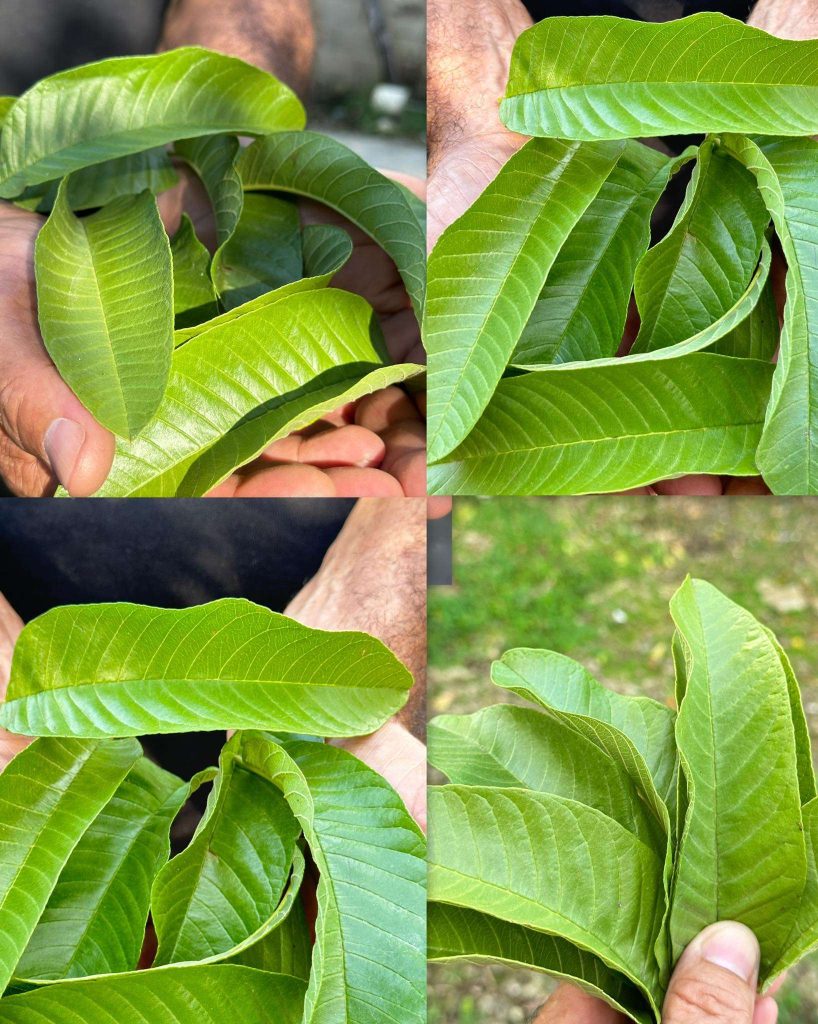
In the vast world of natural remedies and superfoods, one humble yet extraordinarily potent ingredient often goes overlooked: the guava leaf 🌿. While the sweet, vitamin C-rich guava fruit rightfully enjoys its fame, the leaves of the Psidium guajava tree are a treasure trove of health benefits backed by both traditional wisdom and growing scientific research. This article delves deep into the multifaceted advantages of incorporating guava leaves into your wellness routine, offering practical insights and clear guidance. From aiding digestion to managing blood sugar, we will explore how this readily available natural resource can be a game-changer for your health.
Espanol
Beyond the Fruit: Unveiling the Power of the Leaf 🍃
For centuries, guava leaves have been a staple in traditional medicine across tropical and subtropical regions, from South America to Asia and Africa. Modern science is now catching up, validating many of these ancient uses. The leaves are packed with powerful antioxidants like quercetin and flavonoids, along with anti-inflammatory and antimicrobial compounds. Unlike the fruit, the leaves are typically not eaten raw but are prepared as a tea, extract, or topical treatment, unlocking their unique therapeutic properties.
A Deep Dive into the Key Benefits of Guava Leaves
Let's explore the specific, evidence-backed ways guava leaves can contribute to your well-being.
1. A Soothing Aid for Digestive Health 🤰
Guava leaf tea is renowned for its positive impact on the gastrointestinal system. Its anti-inflammatory properties can help calm an upset stomach and reduce symptoms of gastritis. More notably, studies suggest it has anti-diarrheal effects, potentially inhibiting the growth of harmful bacteria like Staphylococcus aureus while not affecting beneficial gut flora. For those struggling with digestive discomfort, a warm cup of guava leaf tea after meals may promote smoother digestion and relief.
2. A Natural Ally in Blood Sugar Management 📊
This is one of the most researched and promising benefits. Compounds in guava leaves appear to inhibit certain enzymes that convert carbohydrates into glucose in the bloodstream, potentially leading to lower blood sugar levels after meals. Some studies indicate that drinking guava leaf tea may improve insulin resistance. It is crucial to consult with your doctor before using it as a complementary approach, especially if you are on diabetes medication, to avoid hypoglycemia.
3. Boosting Heart Health and Cholesterol Profile ❤️
The antioxidants in guava leaves fight oxidative stress, a key contributor to heart disease. Research points to their potential to help lower "bad" LDL cholesterol and triglycerides while raising "good" HDL cholesterol. Furthermore, their mild hypotensive effect may contribute to healthy blood pressure levels. Supporting your cardiovascular system can be as simple as integrating this herbal tea into a balanced lifestyle.
4. Enhancing Skin Health and Fighting Acne ✨
Thanks to their antimicrobial and anti-inflammatory prowess, guava leaves are excellent for skin care. Crushing the leaves into a paste and applying it topically can help combat acne-causing bacteria and reduce redness. The antioxidants also fight free radicals, potentially slowing skin aging. For a simple toner, boil leaves in water, let it cool, and apply to your face with a cotton pad.
5. Supporting Weight Loss Efforts 🏃♀️
While not a magic solution, guava leaves can complement a weight management plan. By helping to regulate blood sugar, they may reduce cravings and prevent sudden spikes and crashes that lead to hunger. The tea is also naturally calorie-free and can serve as a healthy, hydrating alternative to sugary beverages.
6. Oral Health: Relief for Toothaches and Gum Issues 🦷
The anti-inflammatory and analgesic properties of guava leaves make them a traditional remedy for oral problems. Chewing on clean, tender leaves or using a mouth rinse made from boiled leaves can provide temporary relief from toothache pain, soothe inflamed gums (gingivitis), and combat oral microbes due to their antibacterial action.
How to Use Guava Leaves: Practical Methods and Tips
To harness these benefits, here are the most common and effective preparation methods:
Guava Leaf Tea (Infusion): This is the simplest method. Wash 5-10 fresh leaves (or use 1 tablespoon of dried leaves). Crush them slightly to release the compounds. Steep them in a cup of hot water for 5-10 minutes. Strain and enjoy. You can drink 1-3 cups daily. Add honey or lemon for flavor if desired.
Topical Application: For skin or hair, create a decoction by boiling a handful of leaves in water for 15-20 minutes until the water reduces and darkens. Let it cool and use it as a facial wash, hair rinse (for dandruff and hair strength), or to clean minor wounds.
Extract and Supplements: Commercially available guava leaf extracts or capsules offer a concentrated dose. Always choose reputable brands and follow dosage instructions carefully.
Important Precautions and Final Thoughts
While guava leaves are generally safe for most people, some considerations are essential. Pregnant and breastfeeding women should avoid therapeutic doses due to a lack of safety data. As mentioned, individuals with diabetes or those scheduled for surgery should consult a healthcare professional, as guava leaves can affect blood sugar levels. Start with small amounts to see how your body reacts. Natural does not automatically mean risk-free for everyone.
Conclusion: Embracing a Leaf of Great Value
From digestive tranquility and metabolic support to radiant skin and a healthier heart, the benefits of guava leaves are both diverse and impressive 🌟. This article has moved beyond superficial claims to provide a detailed look at the science and traditional use behind this natural remedy. Integrating guava leaf tea into your daily routine represents a simple, cost-effective step toward proactive wellness. We encourage you to explore its potential while remaining mindful of the precautions. Sometimes, the most powerful health secrets are not found in exotic fruits, but in the gentle, green leaves growing quietly alongside them.
Deja una respuesta