Benefits of Guava Leaves
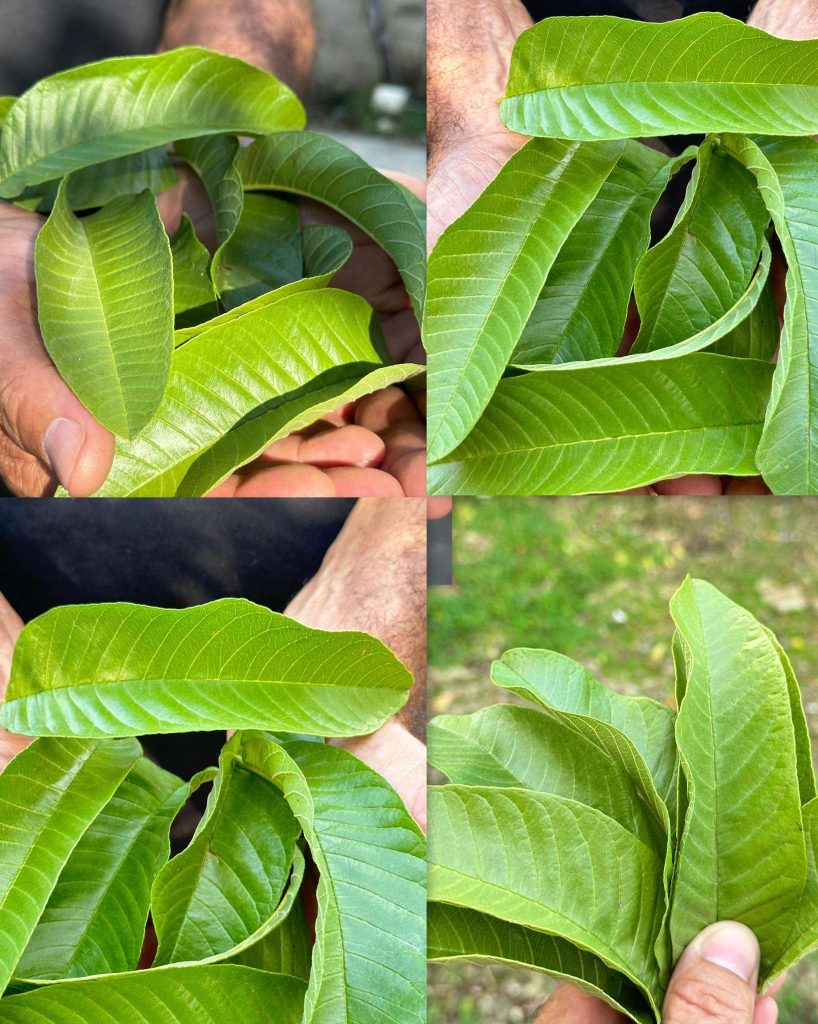
Introduction: Rediscovering a Humble Powerhouse 🌿
 Espanol
Often overshadowed by its sweet, fragrant fruit, the guava tree holds a secret in its vibrant green foliage. For centuries, guava leaves have been a cornerstone of traditional medicine across various cultures, from Ayurveda in India to folk practices in South America and Africa. Today, modern science is beginning to validate what ancient healers long understood: these leaves are a treasure trove of health-promoting compounds. This article delves into the impressive, research-backed benefits of guava leaves, moving beyond superficial claims to provide you with practical knowledge and applications. Whether you're seeking natural wellness support or simply curious about herbal remedies, understanding the potential of this accessible leaf can be a game-changer for your health routine.
Espanol
Nutritional Profile & Key Compounds 🔬
Guava leaves are not just simple leaves; they are densely packed with bioactive substances. They are rich in powerful antioxidants like quercetin, flavonoids, and carotenoids, which combat oxidative stress and cellular damage. Furthermore, they contain significant anti-inflammatory agents such as guaijaverin, along with essential vitamins (notably Vitamin C) and minerals. Perhaps most notably, they possess compounds that may inhibit alpha-glucosidase enzymes, which play a role in carbohydrate digestion. This unique combination of nutrients is the foundation for the wide array of health benefits associated with guava leaf consumption, primarily through tea or extract.
Top Health Benefits of Guava Leaves
The applications of guava leaves are surprisingly broad. Here, we explore the most significant and well-supported advantages.
Blood Sugar Regulation 🩸
One of the most celebrated benefits is their potential to support healthy blood sugar levels. The leaf extract may help improve insulin sensitivity and reduce the absorption of sucrose and maltose in the intestines. Several studies, including those published in journals like "Nutrition & Metabolism," have indicated that drinking guava leaf tea after meals can help moderate post-meal blood glucose spikes. A crucial tip: For this purpose, it's recommended to drink the tea without adding any sugar. While promising, it should complement, not replace, professional medical advice for diabetes management.
Digestive Health & Weight Management 🤢⚖️
Guava leaf tea is a renowned remedy for digestive upset. Its potent antibacterial and anti-inflammatory properties can help combat harmful gut bacteria like Staphylococcus aureus and E. coli, making it useful for soothing food poisoning, diarrhea, and gastritis. The leaves may also reduce intestinal spasms. For those on a weight management journey, the tea's potential to block the conversion of complex carbohydrates into sugar could assist in reducing unnecessary calorie absorption, acting as a supportive tool alongside a balanced diet and exercise. 🏃♀️
Heart Health & Cholesterol Support ❤️
Supporting cardiovascular wellness is another key area. The antioxidants in guava leaves help protect the heart from oxidative damage. More directly, some research suggests that long-term consumption of guava leaf extract can positively affect lipid profiles by helping to lower "bad" LDL cholesterol and triglycerides while maintaining "good" HDL cholesterol. This effect, coupled with potential blood pressure-lowering properties noted in some animal studies, positions guava leaves as a heart-friendly botanical ally.
Skin, Hair, and Oral Health ✨
The benefits extend to external applications as well. Applied topically (often in a paste or wash), the leaves' antimicrobial and anti-inflammatory traits can help treat acne, reduce skin irritation, and delay signs of aging. A cooled guava leaf tea rinse can soothe scalp inflammation, combat dandruff, and potentially strengthen hair follicles to reduce hair loss. Don't forget oral health! Gargling with a decoction can relieve toothache, heal mouth ulcers, and combat gingivitis due to its plaque-fighting abilities. 😁
How to Use Guava Leaves: Practical Tips
Incorporating guava leaves into your routine is simple and economical.
Making Guava Leaf Tea: This is the most common method. Wash 5-10 fresh, organic leaves (or use 1 tablespoon of dried leaves). Gently crush them to release the compounds, then steep in about 1 cup of boiling water for 5-10 minutes. Strain and enjoy. You can drink 1-3 cups daily, preferably after meals.
For Topical Use: Create a paste by grinding fresh leaves with a little water and apply to affected skin. For a hair rinse, boil a handful of leaves in a liter of water for 20 minutes, cool, strain, and use after shampooing.
Important Precautions: While generally safe, pregnant or breastfeeding women and individuals on medication (especially for diabetes or blood clotting) should consult a doctor before regular use. Start with small amounts to ensure you don't have a sensitivity.
Conclusion: A Leaf Worth Exploring
From supporting metabolic health to enhancing skin and digestion, guava leaves prove that sometimes the greatest gifts come in unassuming packages. 🌳 This exploration has moved beyond myth to highlight the science-backed, practical benefits of this natural remedy. While not a magic cure-all, guava leaf tea serves as a potent, accessible supplement to a holistic wellness lifestyle. We encourage you to approach it with mindful curiosity—try a cup of tea, consider a topical application, and observe how your body responds. As with any natural intervention, consistency and moderation are key. Why not harness the humble power of the guava tree and discover what it can do for you?
Deja una respuesta