Benefits of Guava Leaves
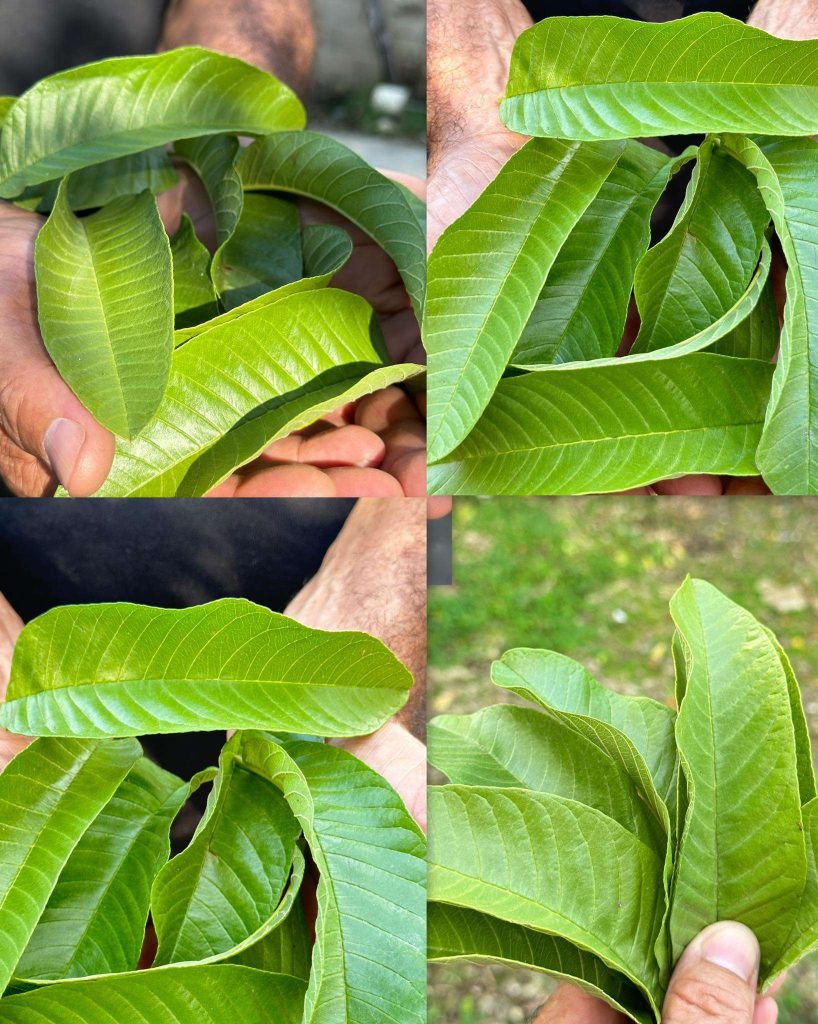
Introduction: Unlocking the Power of a Humble Leaf 🍃
 Espanol
Often overshadowed by its sweet, pulpy fruit, the guava leaf is a hidden gem in the world of natural wellness. While you might enjoy a juicy guava, the leaves of the Psidium guajava tree have been quietly used in traditional medicine across various cultures for centuries. Today, modern research is beginning to validate what ancient practices have long known: these simple leaves are packed with potent bioactive compounds. This article delves into the remarkable benefits of guava leaves, transforming them from garden debris into a cornerstone of a practical, health-supportive routine. We will explore their scientifically-backed advantages and provide clear, actionable ways to incorporate them into your daily life.
Espanol
Nutritional Profile: The Science Behind the Green 💊
Guava leaves are a powerhouse of antioxidants, vitamins, and anti-inflammatory agents. They are exceptionally rich in flavonoids like quercetin, vitamin C, and tannins. These compounds work synergistically to combat oxidative stress, which is linked to chronic diseases and aging. Furthermore, the leaves contain powerful antibacterial and antimicrobial properties, making them a versatile tool for overall health. This robust phytochemical composition is the foundation for the wide array of benefits we will discuss next.
Key Health Benefits of Guava Leaves
1. Digestive Health & Weight Management 🤰
Guava leaf tea is renowned for its positive effects on the digestive system. The antimicrobial properties can help manage bacterial imbalances in the gut, potentially alleviating symptoms of diarrhea and food poisoning. More notably, compounds in the leaves inhibit the absorption of dietary carbohydrates, which can help prevent blood sugar spikes after meals. This mechanism not only aids in managing diabetes (discussed next) but can also be a valuable ally in weight management efforts by moderating the conversion of carbs into sugar and stored fat.
2. Blood Sugar Regulation 📈
This is one of the most researched and promising benefits. Several studies indicate that guava leaf extract can significantly improve insulin resistance and lower blood sugar levels. The leaves appear to influence several enzymes involved in carbohydrate metabolism. Drinking guava leaf tea after meals may help mitigate glucose spikes. While it is not a replacement for prescribed medication, it can be an excellent complementary strategy under a doctor's guidance for those managing prediabetes or type 2 diabetes. 🩺
3. Skin & Hair Vitality ✨
The high antioxidant and antimicrobial content makes guava leaves fantastic for topical use. A cooled guava leaf decoction can be used as a facial toner to fight acne, reduce inflammation, and slow down signs of aging by protecting skin cells. For hair, rinsing with guava leaf tea can strengthen hair follicles, potentially reduce hair loss, and combat dandruff due to its antiseptic qualities. It’s a simple, chemical-free addition to your beauty regimen.
4. Heart Health & Cholesterol Support ❤️
The journey to a healthier heart may start with a simple leaf. Regular consumption of guava leaf extract has been linked to improved cardiovascular markers. It helps by lowering "bad" LDL cholesterol and triglycerides while supporting "good" HDL cholesterol levels. The antihypertensive and anti-inflammatory effects also contribute to relaxed blood vessels and reduced strain on the heart, promoting better overall circulatory health.
5. Immune System Booster 🛡️
Packed with vitamin C and immune-stimulating flavonoids, guava leaves provide excellent support for your body's natural defenses. Drinking guava leaf tea, especially at the onset of a cold or sore throat, can offer relief thanks to its antibacterial properties. It acts as a natural prophylactic, strengthening your immune response and helping your body ward off common pathogens more effectively.
Practical Ways to Use Guava Leaves
To reap these benefits, you need to know how to use them. Here are the most common and effective methods:
- Tea/Infusion: The simplest method. Steep 5-10 fresh or dried leaves in hot water for 5-10 minutes. Strain and enjoy. You can add honey or lemon for taste. 🍵
- Topical Application: Boil a handful of leaves in water for 15-20 minutes. Let the decoction cool completely. Use it as a skin toner, a hair rinse, or apply it to wounds and insect bites with a clean cloth.
- Extract & Supplements: For concentrated benefits, standardized extracts are available in supplement form (capsules or tinctures). Always consult a healthcare professional before starting any new supplement.
- Culinary Use: Young, tender guava leaves can be blended into smoothies or used as a wrap for steaming fish, imparting a subtle, herbal flavor.
Important Precautions & Considerations ⚠️
While generally safe for most people, it's crucial to exercise caution. Pregnant and breastfeeding women should avoid therapeutic doses due to a lack of sufficient safety data. Since guava leaves affect blood sugar, individuals on diabetes medication must monitor their levels closely to avoid hypoglycemia and consult their doctor. As with any herbal remedy, start with small amounts to check for personal tolerance or allergic reactions.
Conclusion: Embracing Nature's Pharmacy 🌿
In summary, the humble guava leaf is far more than just tree foliage; it is a multifaceted natural remedy with impressive scientific backing. From regulating blood sugar and aiding digestion to enhancing skin health and supporting the heart, its benefits are wide-ranging and significant. By incorporating guava leaf tea into your daily routine or using it topically, you harness a piece of ancient wisdom validated by modern science. We encourage you to explore this natural powerhouse responsibly. Consider trying a cup of guava leaf tea as your first step towards experiencing its benefits firsthand and unlocking a simpler, more natural path to well-being.
Deja una respuesta