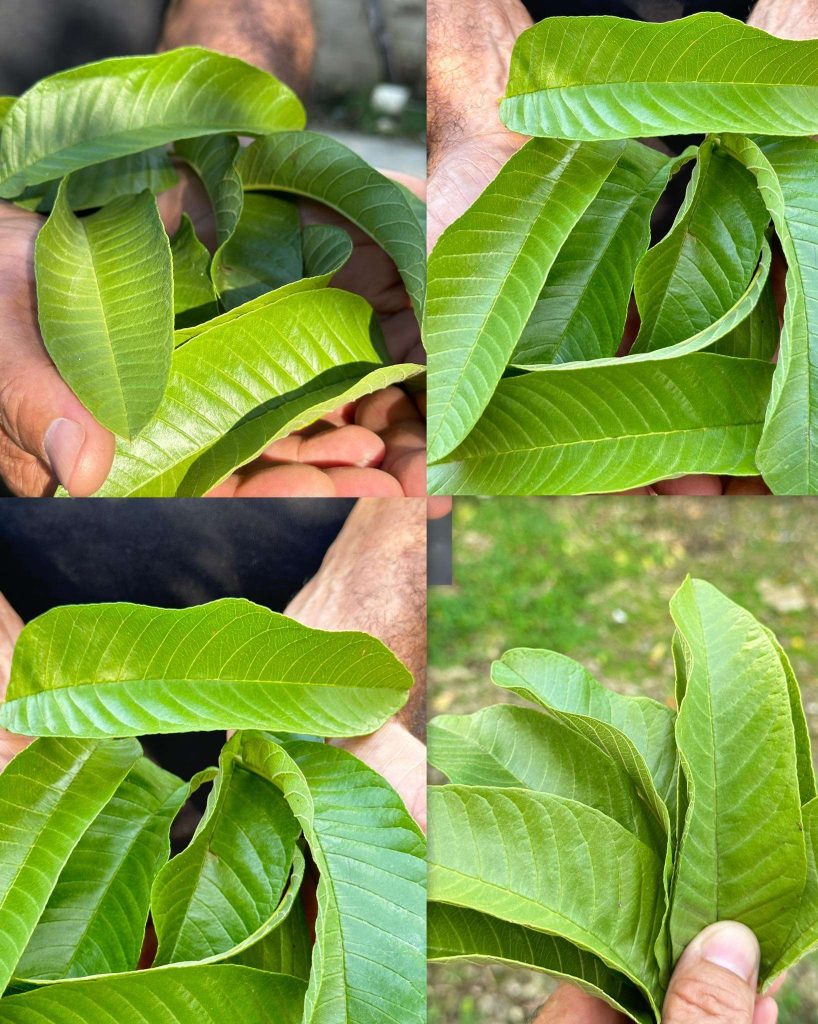
BENEFITS OF GUAVA LEAVES
 Espanol
Espanol
Espanol
In the world of natural wellness, some of the most powerful remedies are often found in the most common places. While the sweet, fragrant guava fruit enjoys global popularity, its often-overlooked leaves hold a treasure trove of health benefits that have been celebrated in traditional medicine for centuries. 🌿 This article delves into the science and tradition behind guava leaves, exploring their impressive nutritional profile and providing practical ways to integrate this natural powerhouse into your daily routine for enhanced well-being.
Unlocking the Nutritional Powerhouse: What's in Guava Leaves?
Guava leaves (Psidium guajava) are packed with a rich array of bioactive compounds. They are an excellent source of antioxidants like vitamin C and flavonoids (particularly quercetin), which combat oxidative stress in the body. They also contain potent anti-inflammatory agents, essential oils, and beneficial plant compounds like tannins, saponins, and carotenoids. 🧪 This unique combination is responsible for the wide spectrum of therapeutic effects associated with the leaves, making them much more than just by-products of the fruit tree.
Top Health Benefits of Guava Leaves 🍃
1. A Friend to Your Digestive System 🤢➡️😊
Guava leaves are renowned for their positive impact on gut health. Their antimicrobial properties can help combat harmful bacteria like Staphylococcus aureus and E. coli, potentially reducing foodborne illnesses and symptoms of diarrhea. The leaves' anti-inflammatory nature also soothes the stomach lining. For a practical remedy, try drinking a warm cup of guava leaf tea at the first sign of digestive discomfort. The tannins present can have a mild constipating effect, helping to regulate bowel movements.
2. Blood Sugar Regulation and Diabetes Support 📉
This is one of the most celebrated benefits. Research indicates that guava leaf extract can help improve insulin resistance and lower blood sugar levels. The compounds in the leaves inhibit the absorption of certain types of sugars (like sucrose and maltose) in the bloodstream. Consuming guava leaf tea after meals may help prevent blood sugar spikes. While promising, it's crucial to consult with a healthcare provider before using it as an adjunct therapy for diabetes management. 🩺
3. Boosting Heart Health ❤️
The dual action of antioxidants and potassium in guava leaves contributes significantly to cardiovascular wellness. Antioxidants protect the heart from oxidative damage, while potassium helps regulate blood pressure by counteracting the effects of sodium and easing tension in the blood vessel walls. Furthermore, the leaves may help lower "bad" LDL cholesterol and triglycerides, supporting overall lipid profile health.
4. Enhancing Skin Health and Combating Aging ✨
The high antioxidant content makes guava leaves a potent anti-aging ally. They help protect skin cells from damage caused by free radicals, which are responsible for wrinkles and loss of elasticity. The leaves also possess antimicrobial and anti-inflammatory properties that can be effective against acne. A simple face rinse made from cooled guava leaf tea can help tone the skin and reduce breakouts. For wound healing, crushed leaves applied topically have been traditionally used to prevent infection.
5. Promoting Hair Growth and Strength 💇♀️
Nutrients and antioxidants in guava leaves can nourish the scalp, strengthen hair roots, and prevent breakage. They are sometimes used to combat hair loss and dandruff. Create a nourishing hair rinse by boiling a handful of leaves, cooling the mixture, and applying it to your scalp and hair after shampooing. Leave it on for a few hours before rinsing with lukewarm water for best results.
6. Supporting Weight Loss Efforts ⚖️
Guava leaves can be a helpful companion on a weight loss journey. The tea is naturally calorie-free and may help prevent complex carbohydrates from being converted into sugars, which the body then stores as fat. By helping to regulate blood sugar, it can also curb cravings and promote a feeling of fullness, making it easier to maintain a healthy diet.
7. Immune System Reinforcement 🛡️
The significant vitamin C content in guava leaves—often higher than in the fruit itself—plays a vital role in strengthening the immune system. Vitamin C stimulates the production and function of white blood cells, the body's primary defenders against pathogens. Regularly drinking guava leaf tea can serve as a supportive habit for maintaining immune resilience, especially during seasonal changes.
How to Use Guava Leaves: Practical Preparation Methods ☕
To harness these benefits, the most common method is preparing a tea or decoction.
- For Tea: Wash 5-10 fresh, organic leaves (or use 1 tablespoon of dried leaves). Boil them in 1-2 cups of water for about 10 minutes. Strain and enjoy. You can add honey, lemon, or ginger for flavor.
- For Topical Use: Create a stronger decoction by boiling more leaves for a longer period (15-20 minutes). Let it cool completely before using it as a skin toner, hair rinse, or adding it to a warm bath for skin irritation.
- Important Note: Always source leaves that are free from pesticides. Start with small amounts to see how your body reacts, and if you are pregnant, breastfeeding, or on medication, consult your doctor first.
Conclusion: Embracing a Leaf of Natural Wisdom 🌿
From aiding digestion and regulating blood sugar to nurturing your skin and heart, the humble guava leaf proves to be a remarkably versatile and accessible natural remedy. Its wide-ranging benefits, backed by both traditional use and growing scientific interest, make it a valuable addition to a holistic approach to health. While not a substitute for professional medical advice or treatment, incorporating guava leaf tea into your wellness routine can be a simple, soothing, and beneficial practice. We encourage you to explore this gift from nature and experience its potential benefits for yourself—one comforting cup at a time. ☕
Deja una respuesta