Benefits of Guava Leaves
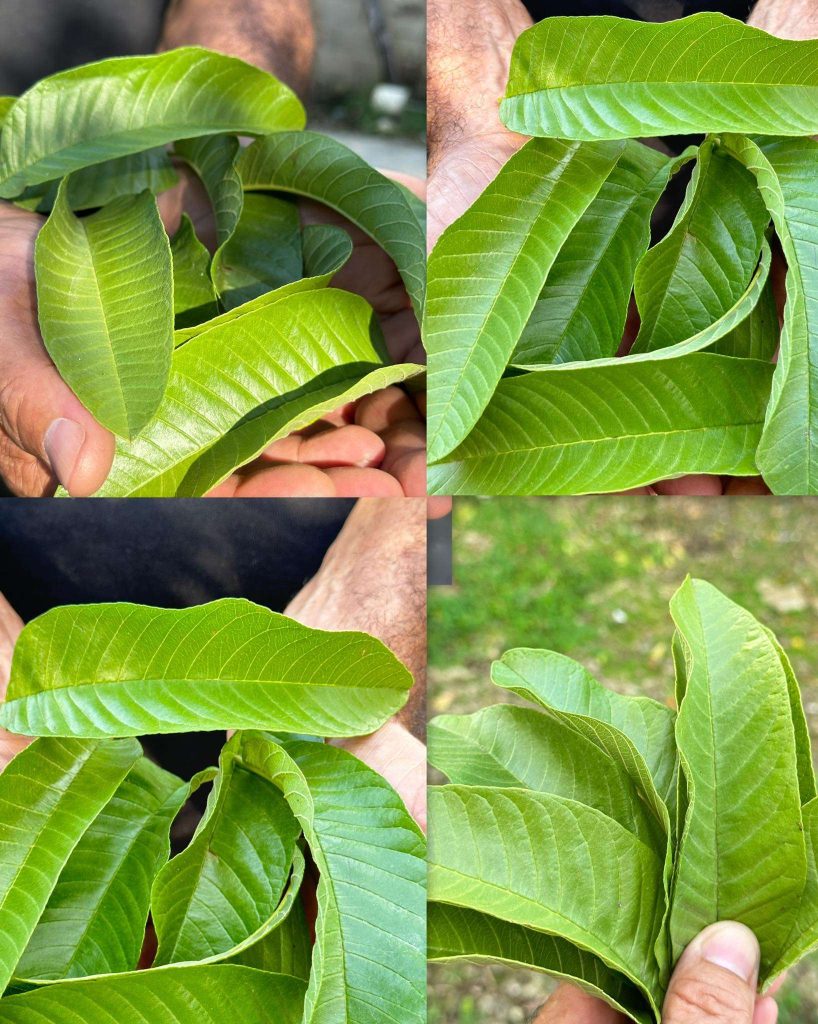
Unlocking Nature's Pharmacy: The Remarkable Benefits of Guava Leaves 🌿
 Espanol
Often overshadowed by its sweet, pink-fleshed fruit, the humble guava leaf is a powerhouse of wellness hiding in plain sight. 🍃 For centuries, traditional medicine systems across the tropics have harnessed its potent properties, and modern science is now catching up, validating its incredible health benefits. This article delves deep into the practical, evidence-backed advantages of incorporating guava leaves into your wellness routine, moving beyond superficial claims to offer you a clear, professional guide to this natural remedy. Let's explore how these simple leaves can contribute to a healthier, more balanced life.
Espanol
Nutritional Powerhouse: What's Inside the Leaf? 🔬
Guava leaves (Psidium guajava) are brimming with bioactive compounds. They are exceptionally rich in antioxidants like quercetin and flavonoids, which combat oxidative stress and cellular damage. They also contain potent anti-inflammatory agents, essential vitamins (notably Vitamin C and B vitamins), and minerals such as iron and potassium. Furthermore, they possess significant antimicrobial and anti-bacterial properties, largely due to compounds like tannins and carotenoids. This unique composition is the foundation for their wide-ranging therapeutic effects.
Key Health Benefits and Practical Applications ✨
1. Blood Sugar Regulation and Diabetes Support
One of the most researched benefits of guava leaf is its ability to help manage blood glucose levels. Studies suggest that compounds in the leaves inhibit the absorption of certain types of sugars in the bloodstream, such as maltose and sucrose. For practical use, drinking guava leaf tea after meals may help mitigate blood sugar spikes. 🍵 While not a replacement for prescribed medication, it can be a valuable complementary dietary strategy under medical guidance.
2. A Friend to Your Digestive System
Guava leaves offer a multi-pronged approach to gut health. Their antimicrobial properties can help curb bacterial growth in the gut, potentially alleviating issues like traveler's diarrhea. The anti-inflammatory effects may soothe the lining of the stomach and intestines, while the leaves also exhibit mild anti-spasmodic qualities. For digestive discomfort, a warm cup of guava leaf tea is a time-tested, gentle remedy. 💚
3. Heart Health and Cholesterol Management
The leaves contribute to cardiovascular wellness in several ways. The soluble fiber and antioxidants can aid in lowering "bad" LDL cholesterol and triglycerides. Additionally, the potassium content helps regulate blood pressure by counteracting the effects of sodium and easing tension in blood vessel walls. Incorporating guava leaf tea as part of a heart-healthy lifestyle can be a simple yet effective step. ❤️
4. Skin and Hair Vitality
Don't overlook topical applications! The leaves' antimicrobial and anti-inflammatory prowess makes them excellent for skin care. A cooled guava leaf tea wash can be applied to acne-prone skin to reduce redness and infection. 🧴 For hair, boiling the leaves into a potent rinse may help combat dandruff, strengthen hair follicles, and promote a healthier scalp due to its nutrient and antioxidant profile.
5. Weight Management Aid
Guava leaves may support weight management efforts. By helping to block the conversion of complex carbohydrates into sugars, the body has fewer simple sugars to convert into fat. Combined with its lack of calories when consumed as tea, it can be a beneficial addition to a balanced diet and exercise plan. Swap sugary drinks for unsweetened guava leaf tea to support your metabolic health. ⚖️
How to Use Guava Leaves: A Practical Guide 🍵
To harness these benefits, the most common method is preparing a tea or infusion.
- For Fresh Leaves: Thoroughly wash 5-10 tender leaves. Gently crush them to release their compounds and add to a pot with about 1 liter of water. Boil for 10-15 minutes, then strain. You can enjoy it warm or chilled.
- For Dried Leaves: Use 1-2 teaspoons of crushed dried leaves per cup of hot water. Steep for 5-10 minutes before straining.
You can also find guava leaf extract in supplement form (capsules or tinctures), but always consult a healthcare professional before starting any new supplement regimen, especially if you have pre-existing conditions or are on medication. Topical uses involve creating a strong decoction, letting it cool, and applying it directly to the skin or hair as a rinse.
Important Precautions and Considerations ⚠️
While generally safe for most people when consumed in culinary amounts (like tea), moderation is key. Potential side effects are rare but may include stomach upset in sensitive individuals. Pregnant and breastfeeding women should avoid therapeutic doses due to limited safety data. Most importantly, guava leaves have demonstrated blood-sugar-lowering effects, so individuals with diabetes or hypoglycemia, and those scheduled for surgery, must use them cautiously and under medical supervision to avoid interactions with medications.
Conclusion: Embracing a Leaf of Life 🌱
From supporting metabolic health to enhancing skin radiance, guava leaves are a testament to nature's ingenious pharmacy. Their wide array of benefits, backed by both tradition and growing scientific inquiry, makes them a remarkably accessible tool for holistic well-being. Remember, the key is consistency and integration into a balanced lifestyle—not viewing them as a magic bullet. Whether you choose to sip it as a comforting tea or apply it as a natural topical treatment, the guava leaf offers a simple, natural path to complement your health journey. Why not brew your first cup today and experience its gentle power for yourself? 🍃✨
Deja una respuesta