17 Silent Signs Your Body Is Sending You (And How to Relieve Them Naturally)
 Espanol
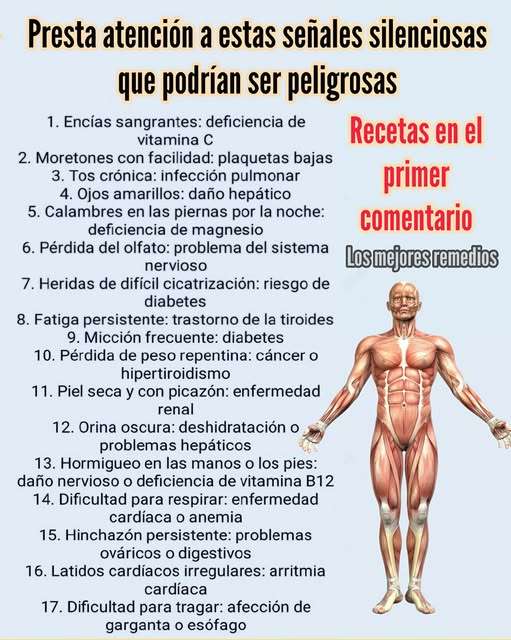
Our bodies are incredible, finely-tuned machines, constantly communicating with us. 🧠✨ Often, however, we are too busy to listen to the subtle, silent signals they send. Ignoring these whispers can sometimes allow minor issues to evolve into significant health concerns. This article will explore 17 quiet cues your body might be giving you and provide natural, supportive ways to find relief. By learning to recognize these signs, you can take proactive steps toward maintaining your well-being and catching potential problems early.
Espanol
1. Bleeding Gums 🦷
If you notice blood when you brush or floss, it's often a sign of inflammation (gingivitis), which can be exacerbated by a deficiency in Vitamin C. This vitamin is crucial for collagen production, which helps maintain healthy gum tissue. A severe, long-term deficiency can even lead to scurvy. To combat this, load up on citrus fruits, strawberries, kiwi, red peppers, and broccoli. Remember, gentle and consistent oral hygiene is just as important as your diet.
2. Easy Bruising 💜
Finding unexplained bruises? This can point to low platelet count or fragile capillaries. Platelets are essential for blood clotting. A diet lacking in Vitamin K, which plays a key role in the coagulation process, can be a contributing factor. Incorporate leafy greens like spinach, kale, and Swiss chard into your meals. If bruising is frequent and severe, a medical consultation is essential to rule out underlying conditions.
3. Chronic Cough 🤧
A persistent cough that lingers long after a cold has passed can be more than just an annoyance; it may indicate a lingering lung infection, allergies, or even acid reflux. While identifying the root cause is key, soothing remedies like raw honey and lemon in warm water or fresh ginger tea can provide relief by coating the throat and reducing irritation. 🍯
4. Yellowing of the Eyes 👀
This condition, known as jaundice, is a serious sign that often indicates liver stress or damage. It occurs when there is a buildup of bilirubin, a yellow compound, in the blood. This is a non-negotiable signal to seek immediate medical attention. To support overall liver health, consider foods known for their detoxifying properties, such as artichokes, dandelion greens, and turmeric.
5. Nighttime Leg Cramps 🦵
Waking up with a painful charley horse is often linked to an electrolyte imbalance, particularly a magnesium deficiency. Magnesium helps regulate muscle contractions and nerve signals. Foods like almonds, pumpkin seeds, bananas, and avocados are excellent sources of magnesium. Gentle stretching before bed can also help prevent these uncomfortable spasms.
6. Loss of Smell 👃
Anosmia, or the loss of smell, can result from sinus issues, neurological conditions, or, as widely known, viral infections. Since smell is closely tied to taste, this can affect your appetite and nutrition. It is critical to get a professional diagnosis. In the meantime, "smell training" with essential oils like lemon, rose, clove, and eucalyptus may help stimulate and retrain your olfactory nerves.
7. Slow-Healing Wounds 🩹
When cuts and scrapes take a long time to heal, it can be a red flag for compromised immune function or potential diabetes, as high blood sugar can impair circulation and damage nerves. A balanced diet rich in protein and zinc is vital. Topically, pure aloe vera gel or manuka honey can accelerate skin repair due to their antibacterial and anti-inflammatory properties.
8. Persistent Fatigue 😴
Feeling constantly drained, even after a full night's sleep, is your body's way of waving a red flag. This could be related to thyroid disorders, anemia, or chronic fatigue syndrome. Beyond rest, gentle movement is paradoxically energizing. Practices like yoga, tai chi, or daily walks can help improve circulation and boost endorphin levels without overtaxing your system.
9. Frequent Urination 🚽
A sudden, frequent need to urinate, especially at night, can be a symptom of a urinary tract infection, overactive bladder, or diabetes. It's important to monitor your habits and stay hydrated with water. Herbal teas like peppermint or chamomile can have a calming effect on the bladder. However, a doctor can provide a definitive diagnosis and treatment plan.
10. Unexplained Weight Loss ⚖️
Losing weight without trying can be a cause for concern and may be associated with hyperthyroidism, malabsorption issues, or other metabolic conditions. If you experience this, consult a healthcare provider promptly. To maintain a healthy weight, focus on nutrient-dense smoothies with protein powder, nut butter, and whole fruits and vegetables.
11. Dry, Itchy Skin 👐
While often dismissed as a seasonal issue, persistently dry and itchy skin can sometimes point to kidney dysfunction or hormonal imbalances. The kidneys help maintain the body's mineral balance, which affects skin health. Increase your water intake significantly and incorporate Omega-3 rich foods like salmon, flaxseeds, and walnuts to help rebuild your skin's natural lipid barrier.
12. Dark Urine 💦
Dark yellow or amber urine is most commonly a classic sign of dehydration. Your body is telling you to drink more fluids! However, if it's consistently brownish, it could indicate liver or gallbladder issues. Make water, herbal infusions, and water-rich fruits and vegetables your go-to hydration sources throughout the day. 🍉
13. Tingling in Hands and Feet 🔌
That "pins and needles" sensation (paresthesia) can result from nerve compression, but it can also signal peripheral neuropathy or a Vitamin B12 deficiency. B12 is vital for nerve health. Focus on animal-based sources like lean meats, eggs, and dairy, or consider a B12 supplement if you follow a plant-based diet. Always discuss supplementation with your doctor first.
14. Shortness of Breath 😮💨
Difficulty catching your breath, especially without intense exertion, can be linked to asthma, anemia, anxiety, or heart conditions. It's imperative to get this checked out. While you seek medical advice, practicing deep, diaphragmatic breathing exercises can help improve lung capacity and manage anxiety-related breathlessness.
15. Abdominal Bloating 🎈
Occasional bloating is normal, but a persistent, painful bloated abdomen should not be ignored, as it can sometimes be a symptom of ovarian issues or other serious conditions. Digestive teas containing peppermint, fennel, or ginger can help relieve gas and soothe the digestive tract. If it's a constant issue, a specialist can help identify the cause.
Deja una respuesta