Bay Leaf Tea on an Empty Stomach: An Ancient Natural Secret for Inner Healing
 Espanol
In a world increasingly turning to natural remedies, an ancient secret is making a remarkable comeback. ✨ Bay leaf, a humble kitchen staple, is stepping out of the spice rack and into the spotlight as a powerful herbal tea. This aromatic herb, known scientifically as Laurus nobilis, offers a treasure trove of health benefits, especially when consumed as a tea on an empty stomach. This practice, rooted in centuries of traditional medicine, is a simple yet potent ritual for inner healing and overall wellness. Let's explore how this timeless brew can become your new morning ally for a healthier, more balanced life.
Espanol
The Power of Bay Leaves: More Than Just a Spice 🌿
For centuries, bay leaves have been revered not only for their distinctive flavor in soups and stews but also for their profound medicinal properties. The magic lies in the leaves' rich concentration of active compounds. These include eugenol, a powerful compound with anti-inflammatory and antioxidant properties; linalool, which aids in relaxation; and a wealth of tannins and flavonoids. Together, these natural chemicals work synergistically to support various bodily systems, from digestion to immune defense, making bay leaf far more than a simple culinary ingredient.
Why Drink Bay Leaf Tea on an Empty Stomach? 🕗
Consuming bay leaf tea before breakfast is a strategic practice that maximizes the herb's therapeutic potential. On an empty stomach, your body can absorb the nutrients and active compounds more efficiently, without competition from other foods. This primes your digestive system for the day ahead, kick-starts your metabolism, and allows the calming properties to take full effect, setting a positive tone for the entire day. Think of it as a gentle, internal tune-up that prepares your body for optimal performance.
How to Prepare the Perfect Cup of Bay Leaf Tea ☕
Brewing this healing tea is a simple process. Follow this detailed recipe to extract the maximum flavor and benefits from the leaves.
Ingredients:
- 3-4 dried bay leaves (ensure they are food-grade and organic if possible)
- 1 ½ cups of fresh, filtered water
- (Optional) 1 teaspoon of raw honey or maple syrup for sweetness
- (Optional) A few drops of fresh lemon juice to enhance flavor and vitamin C content
Preparation Method:
- Bring the water to a rolling boil in a small pot or kettle.
- Add the dried bay leaves to the boiling water.
- Reduce the heat to low, cover the pot, and allow it to simmer gently for 5-7 minutes. This slow simmering is crucial for releasing the beneficial compounds.
- Remove the pot from the heat and let the tea steep, covered, for an additional 5 minutes. This allows the infusion to become stronger and more potent.
- Strain the tea into your favorite mug, discarding the used leaves.
- Stir in your optional honey or lemon, and enjoy while warm.
Optimal Consumption: Timing and Frequency ⏱️
For the best results, drink one cup of bay leaf tea 15 to 30 minutes before your breakfast. This timing ensures your stomach is empty and ready for absorption. To prevent your body from becoming accustomed to its effects, it is advisable to follow a cyclical pattern. A common and effective routine is to drink it for 7 consecutive days, then take a 7-day break. You can resume the cycle after this rest period. Always listen to your body and adjust accordingly.
Key Health Benefits of Bay Leaf Tea 🌟
Incorporating this tea into your routine can yield multiple, science-backed health advantages:
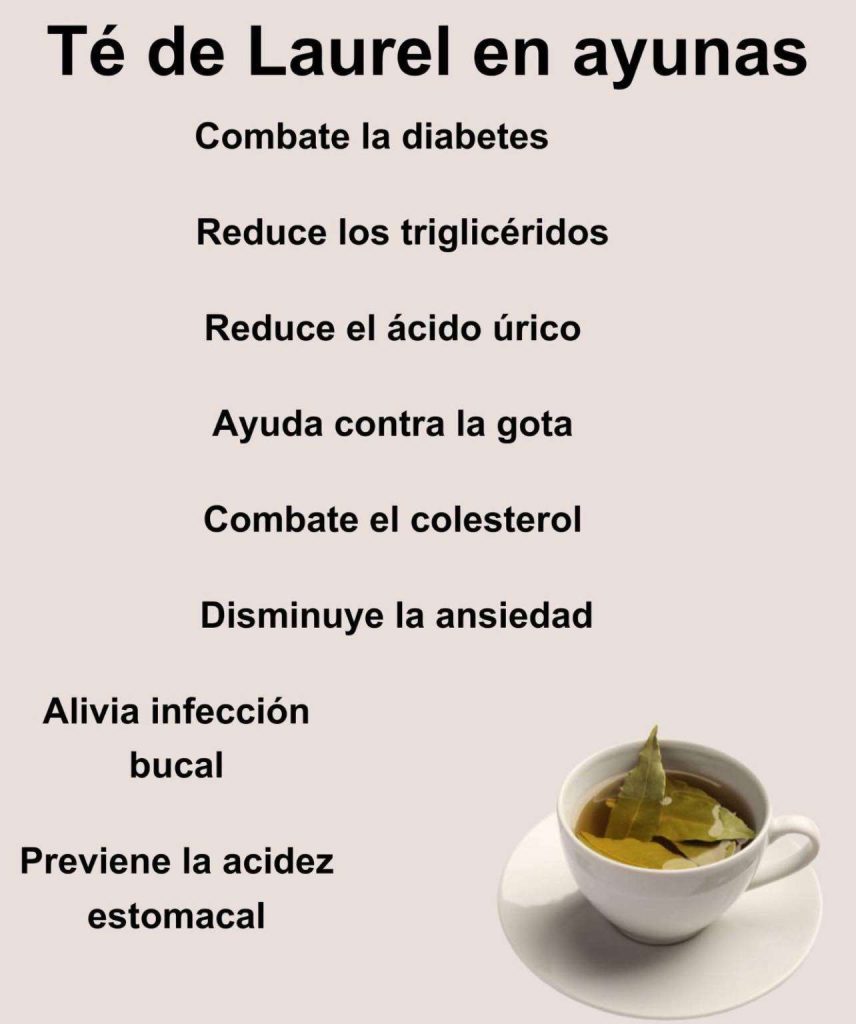
- 🚀 Digestive Enhancement: It acts as a natural carminative, helping to relieve gas, bloating, and mild constipation by stimulating digestive enzymes.
- 😌 Stress and Anxiety Reduction: The linalool in bay leaves has natural calming effects on the nervous system, helping to lower stress hormones and promote a sense of tranquility.
- 💪 Powerful Anti-inflammatory Properties: The eugenol and other compounds are effective in reducing inflammation, making this tea beneficial for soothing joint pain, muscle aches, and even symptoms of arthritis.
- 🩸 Blood Sugar Regulation: Studies suggest that bay leaves can improve insulin receptor function and help lower blood glucose levels, making it a valuable supportive tool for metabolic health.
- 🛡️ Immune System Fortification: Packed with antioxidants like vitamin C and vitamin A, bay leaf tea helps neutralize free radicals, strengthens the body's defense mechanisms, and can help combat mild respiratory infections.
- 🔥 Metabolic Boost: Some evidence indicates that bay leaf tea can gently increase metabolic rate, aiding in more efficient calorie burning throughout the day.
Important Precautions and Side Effects ⚠️
While bay leaf tea is safe for most people, it is crucial to be aware of certain contraindications. Pregnant and breastfeeding women should avoid consuming it in medicinal quantities due to a lack of safety data. Individuals with known kidney problems should consult their doctor, as the herb contains compounds that may need to be processed by the kidneys. Furthermore, because bay leaves can have mild anticoagulant effects, those on blood-thinning medication (e.g., Warfarin) must seek medical advice before use. As with any natural remedy, consulting with a healthcare professional is the most important step before making it a regular part of your health regimen.
Conclusion: Embrace an Ancient Ritual for Modern Wellness 🌿
Bay leaf tea on an empty stomach is a testament to the enduring wisdom of natural medicine. This simple, affordable, and potent brew offers a holistic approach to well-being, targeting everything from digestion and inflammation to stress and blood sugar levels. By taking just a few minutes each morning to prepare and enjoy this ancient remedy, you are investing in a ritual of self-care that promotes inner healing and vitality. Remember, the key to reaping these benefits lies in consistency, moderation, and mindful consumption. Why not unlock this natural secret and gift your body a moment of healing tranquility each day? Your journey to enhanced wellness could be just a sip away.
Deja una respuesta