Benefits of Guava Leaves
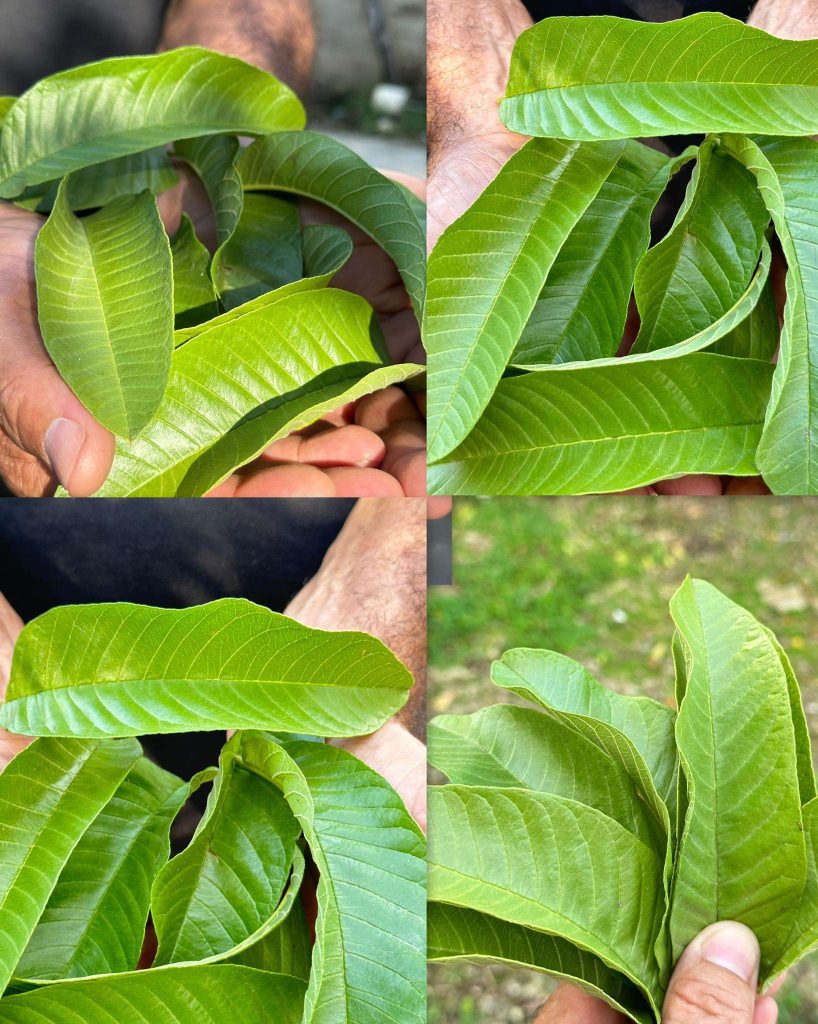
Beyond the Fruit: Unveiling the Remarkable Benefits of Guava Leaves 🌿
 Espanol
When we think of the guava tree, our minds often jump directly to its sweet, fragrant fruit, bursting with vitamin C. However, there's a hidden treasure often overlooked: the humble guava leaf. For centuries, traditional medicine systems across tropical regions have harnessed the power of these leaves. Modern science is now catching up, revealing a host of impressive health benefits that make guava leaves a valuable addition to your wellness toolkit. This article delves deep into the science and practical applications of guava leaves, moving beyond superficial claims to explore how this natural remedy can support your health in tangible ways.
Espanol
A Powerhouse of Bioactive Compounds 💊
Guava leaves (Psidium guajava) are rich in potent antioxidants like quercetin, flavonoids, and tannins. They also contain essential oils and compounds with strong anti-inflammatory and antimicrobial properties. This unique phytochemical profile is the foundation for their wide-ranging benefits. Unlike the fruit, the leaves offer a more concentrated source of certain therapeutic compounds without the high sugar content, making them suitable for various health-conscious applications.
Key Health Benefits Explored
1. Digestive Health and Soothing Relief 🤢
Guava leaf tea is a renowned traditional remedy for digestive upset. Its anti-inflammatory properties can help calm an irritated stomach lining, while its antimicrobial effects may combat harmful gut bacteria. For acute diarrhea, a strong guava leaf tea can reduce its duration and severity. The leaves may also help reduce abdominal pain and cramping. To use, simply steep 1-2 tablespoons of dried leaves in hot water for 5-10 minutes and drink after meals.
2. Blood Sugar Regulation 🩸
Several studies indicate that guava leaf extract can help improve insulin sensitivity and lower blood sugar levels. Compounds in the leaves inhibit certain enzymes that convert carbohydrates into glucose in the bloodstream, leading to a more gradual sugar absorption. While not a replacement for medication, incorporating guava leaf tea may be a supportive dietary strategy for managing blood sugar. Always consult with your healthcare provider before using it for this purpose, especially if you are on diabetes medication.
3. Heart Health Support ❤️
The benefits extend to your cardiovascular system. The antioxidants help protect against oxidative damage to cholesterol, potentially reducing the risk of atherosclerosis (hardening of the arteries). Some research also suggests guava leaves may help lower "bad" LDL cholesterol and triglycerides while raising "good" HDL cholesterol. Furthermore, the leaves have a mild hypotensive effect, which may contribute to healthy blood pressure levels.
4. Skin and Hair Vitality ✨
Applied topically, guava leaf extract is a boon for skin health. Its antibacterial and anti-inflammatory properties make it effective against acne-causing bacteria. You can create a simple facial toner by boiling leaves, cooling the water, and applying it with a cotton pad. The high antioxidant content also fights free radicals that cause premature aging. For hair, a guava leaf rinse is believed to strengthen roots, combat dandruff, and promote healthy growth, thanks to its nutrient and antimicrobial profile.
5. Immune System and Oral Health 🦷
The vitamin C and immune-boosting flavonoids in the leaves provide a frontline defense against common pathogens. Drinking guava leaf tea at the onset of a cold can be soothing. Their potent antimicrobial properties are particularly beneficial for oral health. Chewing on tender guava leaves or using a mouthwash made from their decoction can reduce plaque, fight gum inflammation (gingivitis), and freshen breath naturally.
6. Weight Management Aid ⚖️
Guava leaves may support weight management efforts by preventing complex starches from being converted into sugars. This can promote a feeling of fullness and reduce sudden cravings. When combined with a balanced diet and exercise, guava leaf tea can be a helpful, caffeine-free beverage in your routine.
Practical Ways to Incorporate Guava Leaves into Your Routine
To reap these benefits, here are the most common methods:
- Tea/Infusion: The simplest method. Use 3-5 fresh or 1 tablespoon of dried leaves per cup of boiling water. Steep for 5-10 minutes, strain, and enjoy. Add honey or lemon to taste.
- Topical Application: For skin and hair, boil a handful of leaves in water for 15-20 minutes. Let it cool completely, then use as a rinse, toner, or compress.
- Extract/Powder: Concentrated forms are available as supplements or powders, which can be added to smoothies or water. Always follow dosage instructions and choose products from reputable sources.
Important Considerations and Precautions ⚠️
While generally safe for most people, it's crucial to exercise caution. Pregnant and breastfeeding women should avoid therapeutic doses due to a lack of safety data. As mentioned, those with diabetes or scheduled for surgery should consult a doctor due to its effects on blood sugar. Start with small amounts to see how your body reacts. Moderation is key—think of it as a dietary supplement, not a cure-all.
Conclusion: Embracing Nature's Pharmacy
The guava leaf stands as a powerful testament to the wisdom of traditional medicine, now validated by growing scientific interest. From promoting digestive comfort and balanced blood sugar to enhancing skin radiance and supporting heart health, its benefits are both broad and significant. By integrating guava leaf tea or extract into a holistic health regimen, you tap into a natural, accessible source of wellness. Remember, the journey to health is built on consistent, smart choices. Why not begin by brewing a cup of guava leaf tea? Explore its potential, listen to your body, and consider this humble leaf as a valuable ally in your pursuit of vitality and longevity. 🌱
Deja una respuesta