Benefits of Guava Leaves
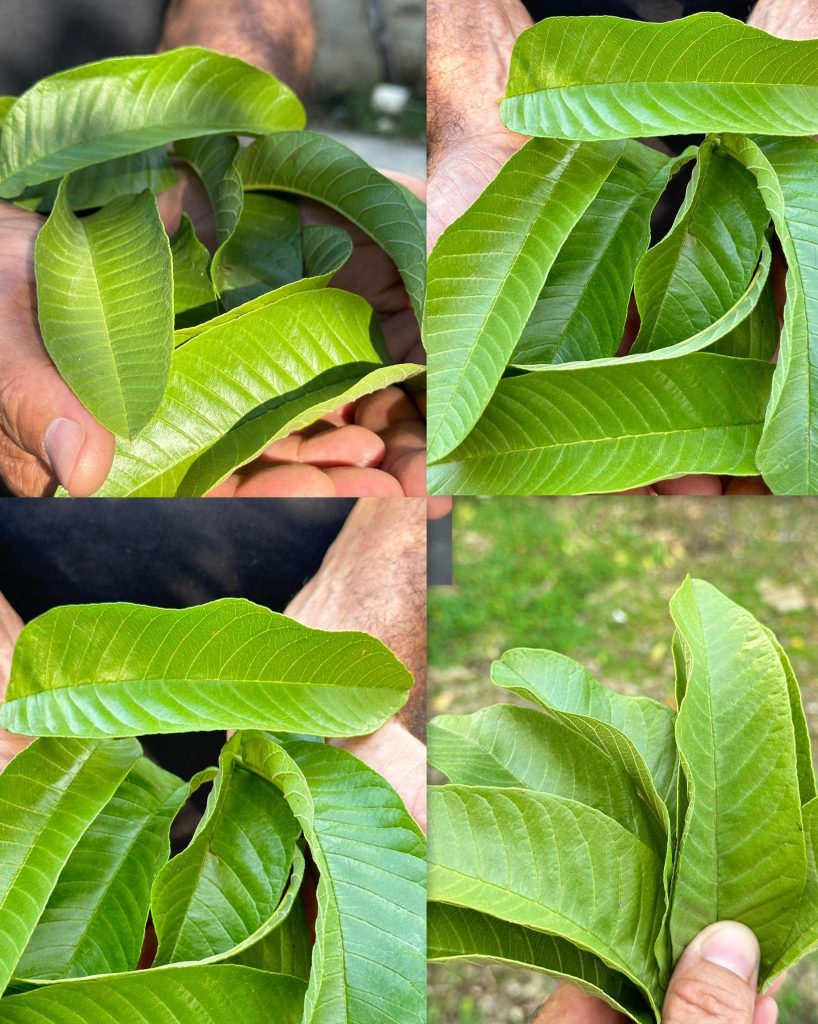
Unlocking Nature's Pharmacy: The Remarkable Benefits of Guava Leaves 🌿
 Espanol
Often overshadowed by its sweet, pink-fleshed fruit, the humble guava leaf is a powerhouse of wellness hiding in plain sight. 🍃 For centuries, traditional medicine systems across the tropics have harnessed its potent properties, and modern science is now catching up, validating what herbalists have long known. This article delves deep into the multifaceted benefits of guava leaves, moving beyond superficial claims to provide you with a comprehensive, practical guide. From managing blood sugar to enhancing skin radiance, discover how this readily available leaf can become a cornerstone of your natural health toolkit. Let's explore the science and practical applications behind nature's verdant treasure.
Espanol
More Than Just Foliage: A Nutritional Powerhouse
Guava leaves (Psidium guajava) are packed with a formidable array of bioactive compounds. They are rich in potent antioxidants like quercetin and flavonoids, which combat oxidative stress—a key driver of aging and chronic disease. 🛡️ Furthermore, they contain significant anti-inflammatory agents, essential vitamins (notably Vitamin C), and minerals. This unique phytochemical profile is the foundation for their wide-ranging therapeutic effects, making them far more than just simple leaves.
A Deep Dive into the Key Health Benefits
The applications of guava leaves are impressively diverse, targeting several systems within the body for holistic well-being.
Blood Sugar Management Champion: One of the most researched benefits is their positive effect on blood glucose levels. Compounds in the leaves inhibit the absorption of certain types of sugars in the intestine and improve insulin sensitivity. For those managing prediabetes or type 2 diabetes, incorporating guava leaf tea can be a supportive, natural strategy. Always consult with your healthcare provider, as it may interact with diabetes medication. 📊
Digestive System Soother: Guava leaves possess strong antimicrobial and anti-spasmodic properties. A warm tea can effectively alleviate symptoms of diarrhea, food poisoning, and stomach cramps by inhibiting harmful gut pathogens and reducing intestinal inflammation. 🤢➡️😌 They also promote healthy digestion and can help reduce bloating.
Heart Health Supporter: By helping to lower "bad" LDL cholesterol and triglycerides, and potentially reducing blood pressure, guava leaves contribute to cardiovascular protection. The antioxidants also help prevent the oxidation of cholesterol, a crucial step in the formation of arterial plaque. ❤️
Immunity Booster & Cold Remedy: Their high vitamin C content and antimicrobial nature make them excellent for fending off infections. Gargling with cooled guava leaf tea can soothe a sore throat, while drinking the tea may help reduce cough and congestion—a perfect, gentle remedy during cold and flu season. 🤧
Beauty and Topical Applications: Your Skin and Hair's New Best Friend ✨
The benefits aren't just internal. Guava leaves offer fantastic topical applications for natural beauty care.
- Acne and Skin Blemishes: The leaves have powerful antibacterial and anti-inflammatory properties. Crush fresh leaves into a paste with a little water and apply as a spot treatment to reduce acne swelling and prevent bacterial growth.
- Anti-Aging and Skin Tone: The antioxidants fight free radicals that cause wrinkles and sagging. A toner made from steeped and cooled guava leaf tea can help tighten the skin and improve overall texture.
- Hair Loss and Scalp Health: Boiling guava leaves into a potent rinse can strengthen hair follicles, potentially reducing hair loss caused by weakness or scalp inflammation. It also helps combat dandruff. 💆♀️
How to Harness the Benefits: Practical Preparation Guide
To integrate guava leaves into your routine, here are the most effective methods. For the freshest option, use organic leaves if available; otherwise, high-quality dried leaves work perfectly.
Classic Guava Leaf Tea: This is the most common and versatile method.
- Wash 5-10 fresh leaves thoroughly (or use 1 tablespoon of dried leaves).
- Add them to a pot with about 2 cups of water.
- Bring to a boil, then reduce heat and simmer for 10-15 minutes to extract the compounds.
- Strain the liquid. You can drink it warm or allow it to cool. The tea has a mild, herbal, slightly grassy flavor. You may add a hint of honey or lemon if desired.
Start by drinking one cup daily and observe how your body responds. 🫖
Topical Toner or Rinse: Follow the tea preparation method but allow the liquid to cool completely. Apply to your face with a cotton pad as a toner or pour over your scalp and hair as a final rinse after shampooing.
Important Considerations and Safety
While guava leaves are generally safe for most people, responsible use is key. Pregnant and breastfeeding women should avoid therapeutic use due to a lack of comprehensive safety data. As mentioned, individuals on diabetes or blood pressure medication must use caution and consult a doctor, as the leaves can potentiate the effects of these drugs. Always start with a small amount to check for any personal allergic reactions.
Conclusion: Embracing a Leaf of Life
From supporting metabolic health to offering natural skincare solutions, guava leaves present a compelling case for inclusion in a modern, wellness-oriented lifestyle. 🌱 Their strength lies in their synergy of compounds and the gentle, supportive role they can play. While not a magic bullet or a replacement for professional medical advice, they are a profound example of how traditional wisdom is validated by contemporary science. We encourage you to explore this natural remedy—perhaps by brewing your first cup of guava leaf tea today. By looking beyond the fruit to the leaf, you unlock a new, accessible dimension of natural health, rooted in both ancient practice and modern understanding.
Deja una respuesta