Benefits of Guava Leaves
 Espanol
Espanol
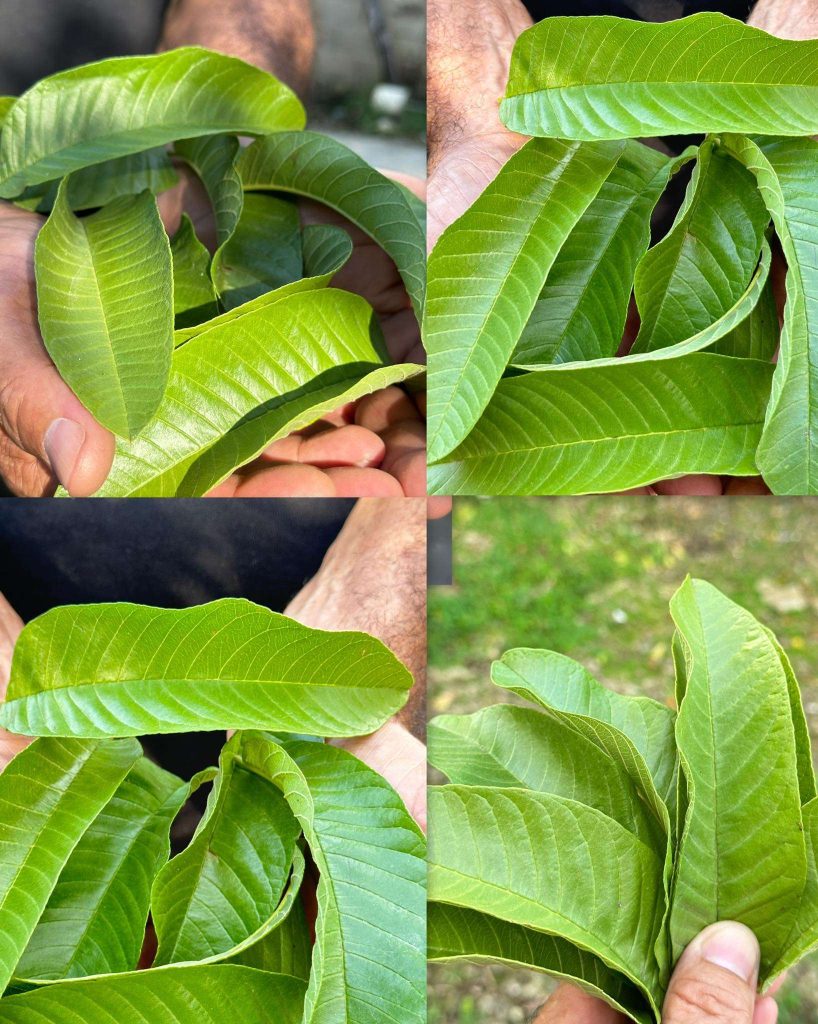
Have you ever walked past a guava tree and admired its fruit without a second thought for its humble leaves? 🌿 It's time to change that perspective. While the sweet, tangy guava fruit rightly steals the spotlight, the verdant leaves of the Psidium guajava tree are a powerhouse of wellness, quietly holding centuries of traditional wisdom and impressive modern scientific backing. This article delves deep into the remarkable, often overlooked, benefits of guava leaves, transforming them from garden foliage into a cornerstone of natural health. We'll explore their potent nutritional profile, practical applications, and how you can easily incorporate them into your daily routine for enhanced well-being.
Unlocking the Nutritional Powerhouse 🧪
Guava leaves are far from ordinary greenery. They are densely packed with a symphony of bioactive compounds that drive their therapeutic effects. Key among these are potent antioxidants like quercetin and flavonoids, which combat oxidative stress and free radical damage in the body. They are also a rich source of anti-inflammatory tannins, essential oils, and vitamins, particularly vitamin C and niacin (B3). Furthermore, they contain compounds with proven antibacterial and antimicrobial properties. This unique phytochemical composition is what makes a simple cup of guava leaf tea or a topical extract so effective for diverse health concerns, from internal balance to external skin health.
A Friend to Your Digestive System 🤰
One of the most celebrated traditional uses of guava leaves is for soothing digestive ailments. Their anti-inflammatory and antimicrobial qualities make them exceptionally effective. Consuming guava leaf tea can help alleviate symptoms of diarrhea and dysentery by inhibiting the growth of harmful bacteria like Staphylococcus aureus. The leaves also contain compounds that may help reduce intestinal spasms and decrease the production of excess mucus in the gut. For those struggling with occasional heartburn or indigestion, a warm cup after meals can promote comfort. Tip: Steep 5-6 fresh or dried leaves in hot water for 5-10 minutes for a gentle digestive aid.
Supporting Healthy Blood Sugar Levels 📊
Emerging research points to guava leaves as a valuable dietary adjunct for blood sugar management. Studies suggest that compounds in the leaves can inhibit the absorption of certain types of sugars in the blood, such as maltose and sucrose. More importantly, they may improve insulin sensitivity and lower blood glucose levels without causing hypoglycemia. While not a replacement for prescribed medication, incorporating unsweetened guava leaf tea can be a supportive, natural strategy. It's crucial, however, to consult with a healthcare provider before using it for this purpose, especially if you are on diabetes medication.
Boosting Heart Health and Circulation ❤️
Your cardiovascular system can also benefit from the guava leaf's profile. The high potassium content helps regulate blood pressure by counteracting the effects of sodium and easing tension in the blood vessel walls. The antioxidants play a long-term role by preventing the oxidation of LDL ("bad") cholesterol, a key step in the formation of arterial plaque. Regular consumption may contribute to lower triglyceride and "bad" cholesterol levels while supporting "good" HDL cholesterol, promoting clearer arteries and healthier blood flow. Think of it as a heart-healthy habit in a teacup.
Enhancing Skin and Hair Beauty ✨
The benefits of guava leaves extend powerfully into the realm of cosmetics and dermatology. Their antimicrobial and anti-inflammatory properties make a topical guava leaf wash or paste excellent for treating acne, blackheads, and skin irritation. Boil a handful of leaves, let the water cool, and use it as a facial toner. For hair, the same rinse can combat dandruff and scalp itchiness while potentially strengthening hair follicles to reduce breakage and encourage growth. The leaves protect the skin from oxidative damage that leads to premature aging, helping to maintain a youthful, radiant complexion.
Practical Ways to Use Guava Leaves 🍵
Knowing the benefits is one thing; applying them is another. Here are simple, effective methods:
- Tea/Infusion: The most common method. Use 2-3 dried leaves or 4-5 fresh leaves per cup of boiling water. Steep for 5-10 minutes. Enjoy 1-2 times daily.
- Topical Wash: Boil a large handful of leaves in 1 liter of water for 15-20 minutes. Cool, strain, and use as a skin toner, wound cleanser, or hair rinse.
- Leaf Extract/Powder: Dried, powdered leaves can be encapsulated or added in small amounts to smoothies.
- Chewing: In some traditions, gently chewing a young, clean leaf is done for immediate relief from gum inflammation or toothache.
Always ensure the leaves are sourced from trees not treated with pesticides. Start with small amounts to assess your body's response.
Important Considerations and Safety ⚠️
While generally safe for most people, moderation is key. Potential side effects are rare but can include stomach upset in sensitive individuals. Pregnant and breastfeeding women should consult a doctor before use. Due to its potential effects on blood sugar, individuals with diabetes or those scheduled for surgery should use it cautiously and under medical supervision. It may also interact with certain medications. The golden rule is: Guava leaves are a powerful complementary tool, not a substitute for professional medical diagnosis and treatment.
Conclusion: Embracing Nature's Green Pharmacy 🌍
From aiding digestion and balancing blood sugar to nurturing your heart and enhancing your skin's glow, guava leaves offer a compelling, multi-faceted approach to natural health. This exploration reveals that true wellness often lies in appreciating the complete gifts of nature, not just the most obvious ones. By integrating guava leaf tea or topical applications into your lifestyle, you tap into an ancient, accessible, and scientifically-supported source of vitality. We encourage you to try this simple yet potent remedy and experience its benefits firsthand. Remember, the journey to health is built on consistent, mindful choices—and sometimes, the most powerful solutions are growing quietly in your own backyard.
Deja una respuesta