Benefits of Guava Leaves
 Espanol
Espanol
Introduction: More Than Just a Fruit Tree 🍃
When we think of the guava tree, our minds instantly conjure images of its sweet, tangy, and vitamin-C-rich fruit. However, lurking in plain sight on its branches is an often-overlooked powerhouse of wellness: the guava leaf. For centuries, traditional medicine systems across the tropics have harnessed the potent properties of these simple leaves. Today, modern science is beginning to validate what ancient healers knew all along. This article delves deep into the remarkable benefits of guava leaves, moving beyond superficial claims to provide you with a comprehensive, practical guide. We'll explore their nutritional profile, specific health applications, and how you can easily incorporate them into your daily routine for enhanced well-being.
Nutritional Powerhouse: What's Inside the Leaf? 🔬
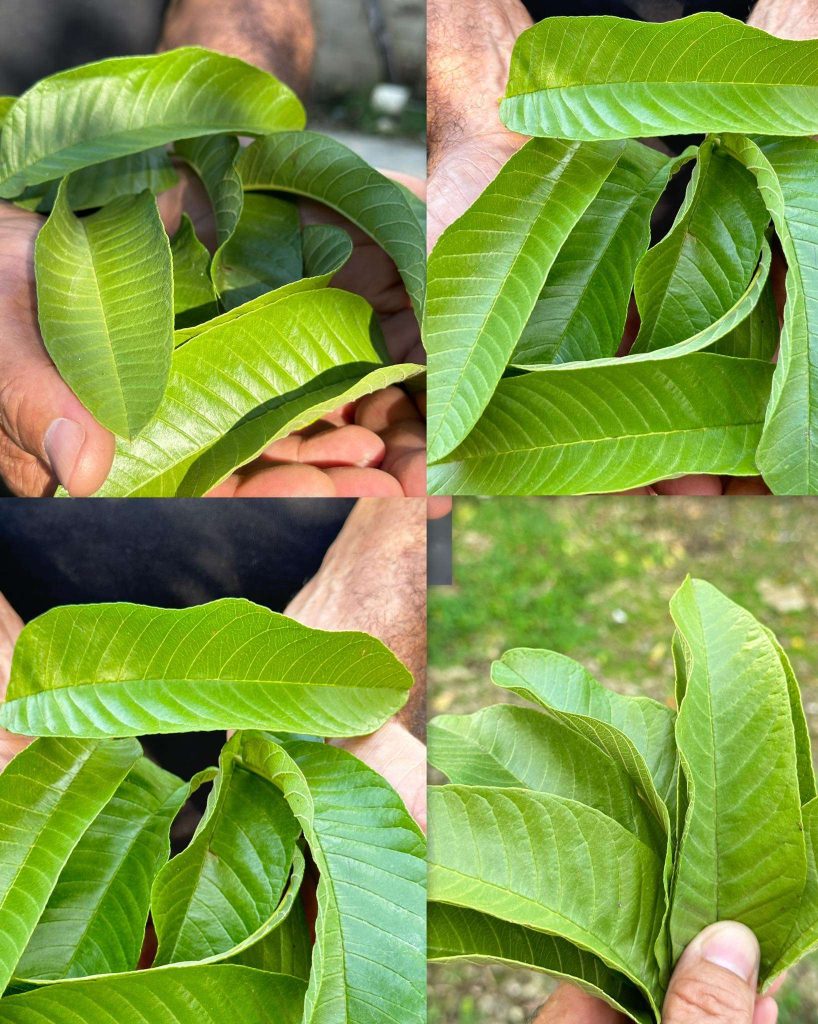
Guava leaves (Psidium guajava) are brimming with bioactive compounds that contribute to their therapeutic effects. They are exceptionally rich in potent antioxidants like quercetin and flavonoids, which combat oxidative stress and cellular damage. Furthermore, they contain essential anti-inflammatory agents, vitamins (notably B and C), and minerals such as iron and potassium. Perhaps most notably, guava leaf extract exhibits significant antibacterial and antimicrobial properties, making it a formidable ally against various pathogens. This unique combination of compounds is the foundation for the diverse health benefits we will explore next.
Key Health Benefits Explored in Depth
Let's break down the specific, evidence-backed advantages of integrating guava leaves into your health regimen.
1. Blood Sugar Regulation and Diabetes Support 🩺
One of the most celebrated benefits of guava leaves is their potential to help manage blood glucose levels. Compounds in the leaves inhibit the absorption of certain types of sugars in the bloodstream, such as sucrose and maltose. Drinking guava leaf tea after meals may help prevent sudden spikes in blood sugar. Several studies suggest that regular consumption can improve insulin resistance and lower blood sugar levels in people with type 2 diabetes. However, it is crucial to consult with a healthcare provider, as it should complement, not replace, prescribed treatments.
2. A Friend to Your Digestive System 🤢➡️😊
Guava leaves have been a go-to remedy for gastrointestinal issues for generations. Their anti-inflammatory and antimicrobial qualities make them effective against stomach upsets, food poisoning, and bacterial infections like E. coli and Staphylococcus aureus. For diarrhea and dysentery, a decoction of guava leaves can help reduce abdominal pain and frequency of stools. The leaves also promote the production of digestive enzymes, which can enhance nutrient absorption and alleviate symptoms of indigestion and bloating.
3. Heart Health and Cholesterol Management ❤️
Supporting cardiovascular health is another area where guava leaves shine. The antioxidants help protect the heart from oxidative damage, while the potassium content aids in regulating blood pressure. Research indicates that guava leaf extract can positively impact lipid profiles by lowering "bad" LDL cholesterol and triglycerides while raising "good" HDL cholesterol. This triple action contributes to reduced risk of atherosclerosis, heart disease, and stroke, promoting long-term circulatory health.
4. Skin, Hair, and Anti-Aging Wonders ✨
The benefits extend powerfully to cosmetic and dermatological health. The high antioxidant content fights free radicals, a primary cause of skin aging, wrinkles, and loss of elasticity. Applying a cooled guava leaf tea rinse or paste can treat acne, dark spots, and skin allergies due to its antiseptic properties. For hair, it can combat dandruff, strengthen hair follicles to prevent hair loss, and even potentially encourage new growth. Using guava leaf infusion as a final hair rinse can add incredible shine and strength.
5. Weight Management and Metabolic Boost ⚖️
For those on a weight management journey, guava leaves can be a valuable tool. They prevent complex starches from converting into sugars, which the body uses for energy or stores as fat. By inhibiting this conversion, the leaves can help reduce weight gain. Furthermore, the lack of caffeine and the presence of metabolism-supporting nutrients make guava leaf tea an excellent, non-stimulating beverage choice for supporting a healthy metabolism.
How to Use Guava Leaves: Practical Tips and Methods 🍵
Knowing the benefits is one thing; applying them is another. Here are the most effective and simple ways to use guava leaves:
Guava Leaf Tea: This is the most common method. Wash 5-10 fresh leaves (or use 1 tablespoon of dried leaves). Boil them in 1 liter of water for 10 minutes. Strain and enjoy warm or cold. You can add honey, ginger, or lemon for flavor.
Topical Application: For skin or hair, prepare a stronger decoction. Boil a handful of leaves in water for 15-20 minutes, let it cool completely, and then apply it to the affected area or use it as a rinse.
Leaf Extract/Powder: For concentrated benefits, you can find commercially available guava leaf extract supplements or powder. Always follow the recommended dosage on the product label.
Important Safety Note: While generally safe, pregnant or breastfeeding women and individuals on medication (especially for diabetes or blood thinners) should consult a doctor before regular consumption.
Conclusion: Embracing a Natural Ally for Holistic Health 🌟
From regulating blood sugar and aiding digestion to enhancing heart health and beautifying skin, the humble guava leaf proves itself to be a versatile and potent natural remedy. Its wide range of benefits, backed by both tradition and emerging science, makes it a worthy addition to a holistic health toolkit. Remember, the key is consistency and informed usage. Start by introducing a cup of guava leaf tea into your weekly routine and observe how your body responds. As we continue to seek sustainable, natural paths to wellness, the guava leaf stands out as a simple yet profoundly effective resource, reminding us that sometimes the greatest secrets to health are hidden in nature's most common gifts.
Deja una respuesta