Benefits of Guava Leaves
 Espanol
Espanol
Introduction: The Unsung Powerhouse in Your Backyard 🌿
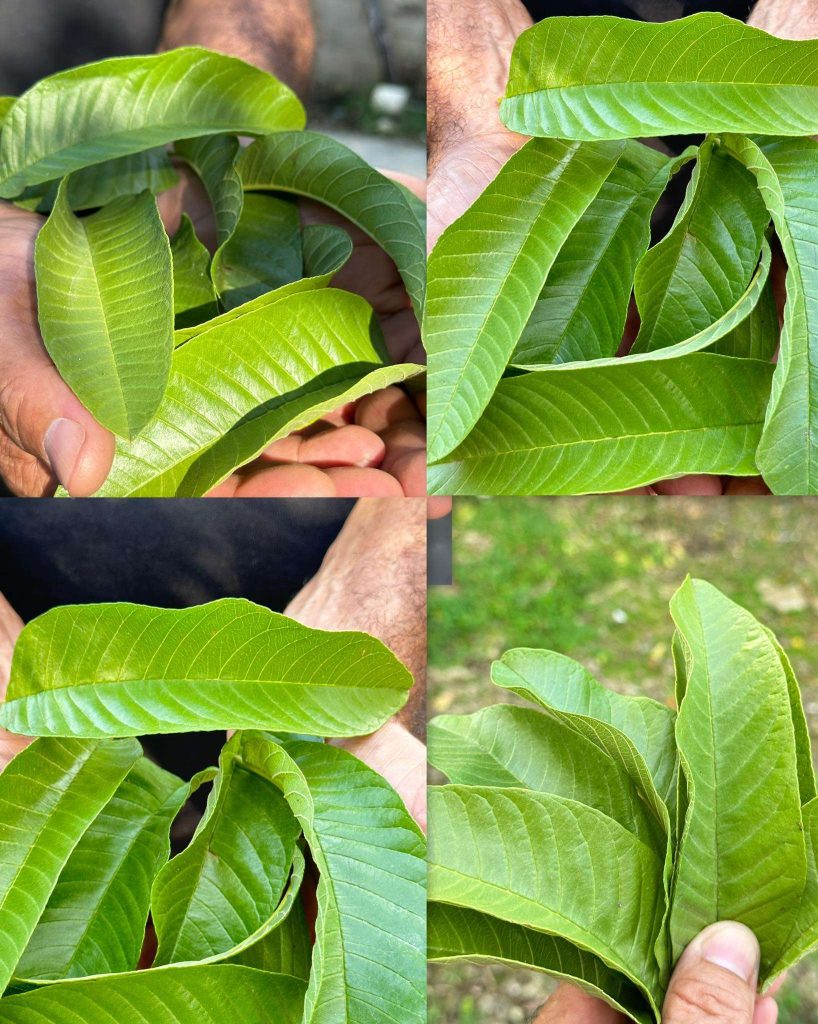
While the sweet, tangy guava fruit often steals the spotlight, the leaves of the guava tree (Psidium guajava) are a hidden treasure trove of wellness. For centuries, these humble leaves have been a cornerstone of traditional medicine across various cultures, from Asia to South America. Today, modern science is beginning to validate what ancient healers have long known. This article delves into the impressive array of benefits offered by guava leaves, transforming them from simple foliage into a potent, natural ally for your health. We will explore their nutritional profile, practical applications, and how you can easily incorporate them into your daily routine.
Nutritional Profile: A Closer Look at the Goodness 🔬
Guava leaves are packed with a rich cocktail of bioactive compounds that drive their therapeutic effects. They are an excellent source of powerful antioxidants, particularly flavonoids like quercetin, and are rich in vitamin C and beneficial tannins. These leaves also possess potent anti-inflammatory, antimicrobial, and astringent properties. Furthermore, they contain compounds that can help regulate blood sugar levels, making them a subject of great interest in nutritional science. This powerful combination is what makes the simple guava leaf such a versatile and effective natural remedy.
Key Health Benefits of Guava Leaves ✨
The applications of guava leaves are remarkably diverse, addressing issues from metabolic health to skincare.
Supports Digestive Health 🤢: Guava leaf tea is renowned for soothing an upset stomach. Its anti-inflammatory properties can help alleviate symptoms of diarrhea and gastroenteritis. The antimicrobial action may also combat harmful gut bacteria while leaving beneficial flora intact.
Promotes Healthy Blood Sugar Levels 📊: Several studies suggest that compounds in guava leaves can inhibit the absorption of certain types of sugars in the blood, such as maltose and sucrose. Drinking guava leaf tea after meals may help prevent blood sugar spikes, making it a valuable dietary adjunct for those managing their glucose levels.
Boosts Heart Health ❤️: The antioxidants in the leaves help protect the heart from oxidative stress. More notably, they may aid in lowering "bad" LDL cholesterol and triglycerides while supporting "good" HDL cholesterol, contributing to overall cardiovascular wellness.
Enhances Skin and Hair Beauty 🌺: Applied topically, a decoction of guava leaves can work wonders. Its antimicrobial and anti-inflammatory qualities make it effective against acne and skin irritation. It can also strengthen hair follicles, potentially reducing hair loss and promoting a healthy scalp when used as a rinse.
Aids in Weight Management ⚖️: By helping to block the conversion of complex carbohydrates into sugar, guava leaves can complement a weight management plan. This action, combined with their lack of calories when consumed as tea, makes them a smart addition to a balanced diet.
How to Use Guava Leaves: Practical Tips and Recipes 🍵
Incorporating guava leaves into your lifestyle is straightforward. The most common method is to prepare a simple, soothing tea.
Guava Leaf Tea Recipe:
- Rinse 5-10 fresh, organic guava leaves (or use 1 tablespoon of dried leaves).
- Bring 2 cups of water to a boil in a pot.
- Add the leaves, reduce heat, and let it simmer for 10-15 minutes.
- Strain the leaves and pour the liquid into your cup.
- You can enjoy it warm or chilled. Add a touch of raw honey or lemon for flavor, if desired. For blood sugar benefits, it's often recommended to drink this tea once or twice daily, preferably after meals.
For topical use, prepare a stronger decoction by simmering a handful of leaves in water for 20 minutes. Let it cool, then use it as a facial toner, a soak for minor wounds, or a final hair rinse after shampooing.
Important Precautions and Considerations ⚠️
While guava leaves are generally safe for most people, it's crucial to exercise caution. If you are pregnant, breastfeeding, have a chronic health condition, or are on medication (especially for diabetes or blood thinning), consult your healthcare provider before using guava leaves therapeutically. Start with small amounts to see how your body reacts. Always source leaves from trees that have not been treated with pesticides or chemicals.
Conclusion: Embracing Nature's Simple Pharmacy 🌱
The guava tree truly is a gift that keeps on giving. Beyond its delicious fruit, its leaves offer a compelling, natural, and accessible path to enhanced well-being. From supporting metabolic and digestive health to beautifying skin and hair, the benefits are both wide-ranging and significant. By preparing a simple cup of guava leaf tea or a topical decoction, you can harness this ancient wisdom in a modern context. We encourage you to explore this natural remedy, always paying attention to your body's signals and seeking professional advice when needed. Here's to discovering the profound benefits hidden in nature's simplest packages! 🍃
Deja una respuesta