Benefits of Guava Leaves
 Espanol
Espanol
🌿 The Unsung Hero of Wellness: Unveiling the Remarkable Benefits of Guava Leaves
Often overshadowed by its sweet, pulpy fruit, the humble guava leaf is a powerhouse of nutrients and therapeutic compounds waiting to be discovered. 🍃 While the guava fruit enjoys global fame, its leaves have been a cornerstone of traditional medicine for centuries, particularly in tropical regions. This article delves deep into the science-backed and traditionally cherished benefits of guava leaves, transforming this common garden item into a valuable ally for your health. We'll explore practical ways to harness their potential, ensuring you can integrate their goodness into your daily wellness routine.
✨ A Treasure Trove of Bioactive Compounds
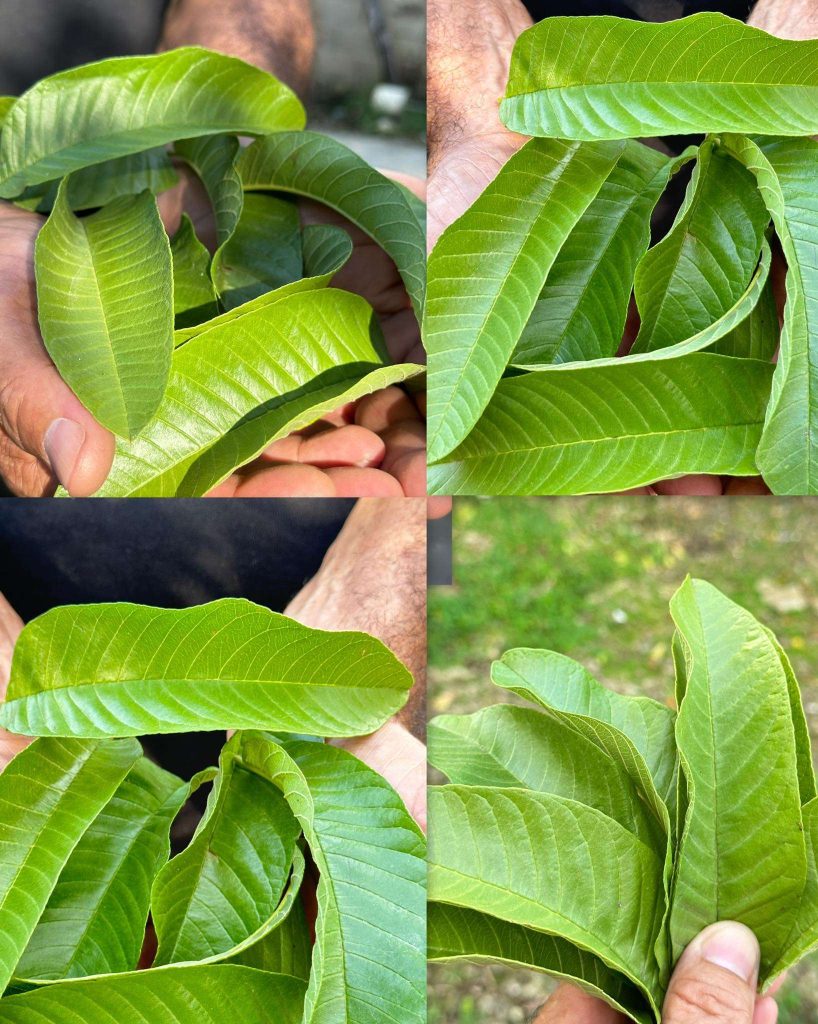
Guava leaves (Psidium guajava) are rich in potent antioxidants like quercetin, flavonoids, and carotenoids, as well as anti-inflammatory compounds such as tannins and saponins. They are also a notable source of essential vitamins, particularly vitamin C, and minerals like potassium. This unique phytochemical profile is responsible for their wide-ranging health effects. The synergy of these compounds makes the leaf more than just a simple plant part; it's a concentrated natural remedy. Scientific studies continue to validate the traditional uses, linking these components to tangible health outcomes, from blood sugar regulation to antimicrobial activity.
🩺 Key Health Benefits Explored
Supports Digestive Health 🤢: Guava leaf tea is renowned for its ability to soothe digestive discomfort. Its anti-inflammatory and antimicrobial properties can help combat bacterial infections like Salmonella and E. coli, reducing symptoms of food poisoning. More so, the leaves contain compounds that may inhibit the production of mucus in the intestines, providing relief from diarrhea. For a natural remedy for an upset stomach, a warm cup of guava leaf tea can be remarkably calming.
Promotes Heart Health ❤️: Regular consumption of guava leaf extract may contribute to a healthier cardiovascular system. The antioxidants help protect the heart from oxidative damage, while the potassium helps regulate blood pressure. Some studies suggest that the leaves can improve the balance of cholesterol levels by lowering "bad" LDL cholesterol and triglycerides, thanks to their hypolipidemic effects.
Aids in Blood Sugar Management 📉: This is one of the most researched benefits. Compounds in guava leaves inhibit certain enzymes that convert carbohydrates into glucose in the bloodstream, potentially preventing blood sugar spikes. Drinking guava leaf tea after meals may be a practical, supportive habit for those managing their glucose levels. It's a complementary approach that should be discussed with a healthcare provider.
Boosts Skin and Hair Health ✨: Applied topically, guava leaf paste or rinse can work wonders. Its antimicrobial and anti-inflammatory traits help treat acne, reduce redness, and speed up wound healing. For hair, boiling the leaves into a cooling rinse can strengthen hair follicles, combat dandruff, and prevent hair loss, leaving your scalp refreshed and your hair shiny.
Enhances Immunity and Fights Inflammation 🛡️: The high vitamin C content, though less than in the fruit, coupled with other antioxidants, fortifies the body's defense system. The anti-inflammatory properties are beneficial for alleviating pain associated with conditions like arthritis and reducing allergic reactions by inhibiting histamine release.
🍵 How to Use Guava Leaves: Practical Tips
Incorporating guava leaves into your lifestyle is simple and economical. Here are the most effective methods:
- Herbal Tea (Infusion): The most popular method. Steep 5-10 fresh or dried leaves in hot water for 5-10 minutes. Strain and enjoy. You can add honey or lemon for taste. 🍋
- Topical Application: Crush fresh leaves into a paste with a little water and apply directly to affected skin or as a hair mask. Alternatively, boil a handful of leaves, let the water cool, and use it as a final hair rinse or facial toner.
- Dietary Supplement: Guava leaf extract is available in capsule or tincture form. Always choose reputable brands and consult a professional for appropriate dosage. 💊
For best results, source organic, unsprayed leaves. Fresh leaves can be used immediately, while excess can be dried in the shade and stored in an airtight container for future use.
⚠️ Important Considerations and Precautions
While generally safe for most people, moderation is key. Pregnant and breastfeeding women should avoid therapeutic doses due to a lack of extensive safety data. Those with underlying health conditions, especially related to blood sugar or those scheduled for surgery, should consult a doctor as guava leaves can potentiate the effects of diabetes medications and may affect blood clotting. Natural does not automatically mean risk-free for everyone; personalized medical advice is crucial. 🩺
🎯 Conclusion: A Leaf Worth Embracing
From supporting metabolic health to enhancing your natural beauty routine, guava leaves offer a compelling, multi-faceted approach to well-being. 🌿 This exploration moves beyond the fruit to appreciate the plant in its entirety, aligning ancient wisdom with modern scientific inquiry. By understanding and utilizing guava leaves, you tap into an accessible, natural resource that complements a holistic health strategy. Start by introducing a cup of mild guava leaf tea into your week and observe how your body responds. As we continue to seek sustainable and effective health solutions, sometimes the answer grows quietly in our own backyards.
Deja una respuesta