Benefits of Guava Leaves
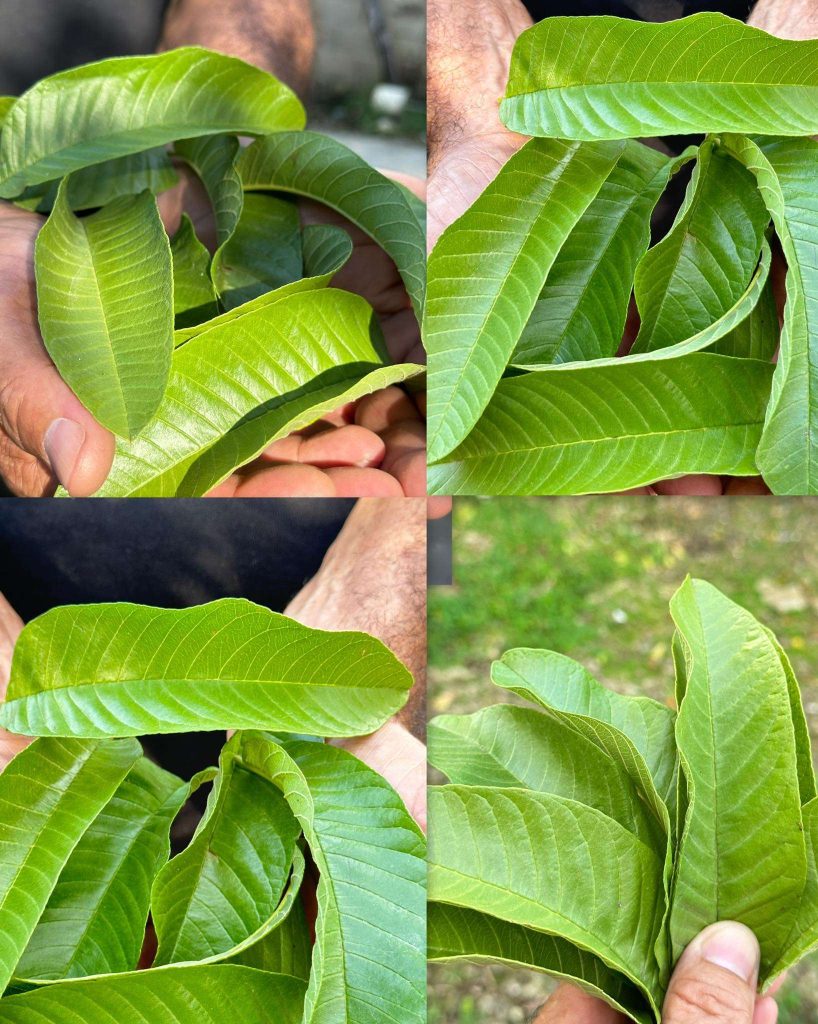
Beyond the Fruit: Unveiling the Remarkable Health Benefits of Guava Leaves 🌿
 Espanol
When we think of guava, our minds often jump to its delicious, vitamin-C-rich fruit. However, hidden in plain sight on its branches lies a powerful, often underrated treasure: the guava leaf. 🍃 For centuries, these humble leaves have been a cornerstone in traditional medicine systems across the tropics. Modern science is now catching up, validating what many cultures have long known—that guava leaves possess a potent array of health-promoting properties. This article delves deep into the science-backed benefits of guava leaves and provides practical ways for you to incorporate them into your wellness routine.
Espanol
Nutritional Powerhouse: What's Inside the Leaf? 🔬
Guava leaves (Psidium guajava) are packed with a dense profile of bioactive compounds. They are exceptionally rich in antioxidants like quercetin, flavonoids, and carotenoids, which combat oxidative stress in the body. They also contain potent anti-inflammatory agents, essential oils, and vital nutrients such as vitamin C and B vitamins. Furthermore, they are a source of important minerals like magnesium, potassium, and zinc. This unique composition is the foundation for their wide-ranging therapeutic effects, making them more than just a simple leaf.
A Digestive Health Champion 🤰
One of the most celebrated traditional uses of guava leaf is for soothing digestive ailments. The leaves contain compounds that have been shown to inhibit the growth of harmful bacteria like Staphylococcus aureus and Salmonella while sparing beneficial gut flora. A warm cup of guava leaf tea can be incredibly effective in cases of food poisoning, diarrhea, and dysentery. The anti-spasmodic properties help relax intestinal muscles, reducing stomach cramps and discomfort. For practical use, steep 1-2 tablespoons of dried leaves in hot water for 5-10 minutes and drink it 1-2 times daily when experiencing digestive upset.
Blood Sugar Regulation and Diabetes Support 🩺
Emerging research presents guava leaf as a promising adjunct for blood sugar management. Compounds in the leaf appear to inhibit the absorption of certain types of sugars in the bloodstream, such as maltose and sucrose. Several studies have indicated that drinking guava leaf tea can lead to a significant reduction in post-meal blood glucose levels. While it is not a replacement for prescribed medication, incorporating the tea into a balanced diet could be a supportive natural strategy. Always consult with your healthcare provider before using it for this purpose, especially if you are on diabetic medication.
Boosting Heart Health and Cholesterol Profile ❤️
The benefits of guava leaves extend to the cardiovascular system. The high levels of potassium and soluble fiber contribute to lowering bad LDL cholesterol and blood pressure. The antioxidants help prevent the oxidation of cholesterol, a key step in the formation of arterial plaque. By promoting healthy blood lipid levels and improving blood vessel function, regular consumption of guava leaf tea may contribute to a reduced risk of atherosclerosis, heart attacks, and strokes. This makes it a simple, heart-smart beverage choice.
Skin, Hair, and Oral Care Elixir ✨
Guava leaves offer remarkable topical applications. Their potent antibacterial and anti-inflammatory qualities make them excellent for skin health. A cooled guava leaf tea wash can help combat acne, reduce redness, and speed up wound healing. For hair, rinsing with the tea may help strengthen roots, reduce dandruff, and prevent hair loss due to its nutrient density. Chewing on fresh, clean guava leaves or using a mouthwash made from their decoction is a traditional remedy for toothaches, gum inflammation, and mouth ulcers, thanks to their analgesic and antimicrobial effects.
Weight Management and Metabolic Aid ⚖️
For those on a weight management journey, guava leaf tea can be a valuable ally. The leaves contain compounds that may help prevent the conversion of complex carbohydrates into sugars, potentially slowing down weight gain. As a caffeine-free, virtually calorie-free beverage, it serves as an excellent substitute for sugary drinks. Its potential role in improving insulin sensitivity also supports a healthier metabolism. Drinking a cup before meals might help manage appetite and support your overall dietary goals.
How to Prepare and Use Guava Leaves Safely ☕
To reap the benefits, guava leaves are most commonly consumed as an herbal infusion or tea.
- For Tea: Use 3-5 fresh leaves or 1 tablespoon of dried leaves per cup. Crush them slightly to release the oils, add boiling water, and steep for at least 5-10 minutes. Strain and enjoy. You can add honey or lemon for taste.
- Topical Use: Boil a handful of leaves in water for 10-15 minutes. Let the decoction cool completely before using it as a skin toner, hair rinse, or mouthwash.
While generally safe, it is crucial to start with small amounts to check for any allergic reactions. Pregnant or breastfeeding women and individuals with specific health conditions or on medication should consult a doctor before regular use.
Conclusion: A Leaf Worth Discovering 🌟
From supporting digestion and blood sugar balance to enhancing skin and heart health, guava leaves are a testament to nature's pharmacy. 🍂 This often-overlooked part of the guava tree packs a significant nutritional and therapeutic punch. By integrating guava leaf tea into your routine, you are tapping into an ancient, natural remedy backed by growing scientific interest. Remember, while it is a powerful supportive agent, it should complement—not replace—professional medical advice and a healthy lifestyle. We encourage you to explore the potential of this green gem and experience its multifaceted benefits for yourself!
Deja una respuesta