Benefits of Guava Leaves
 Espanol
Espanol
Unlocking Nature's Pharmacy: The Remarkable Benefits of Guava Leaves 🌿
Often overshadowed by its delicious fruit, the humble guava leaf is a powerhouse of wellness hiding in plain sight. While the "This Account has been suspended" message signifies a temporary halt in digital access, neglecting the benefits of guava leaves means suspending access to a wealth of natural health solutions. This article delves deep into the science-backed advantages of these versatile leaves, offering you a practical guide to harnessing their potential for improved well-being. From ancient remedies to modern applications, we'll explore how this readily available plant can become a cornerstone of your natural health toolkit.
Nutritional Powerhouse: What's Inside the Leaf? 🔬
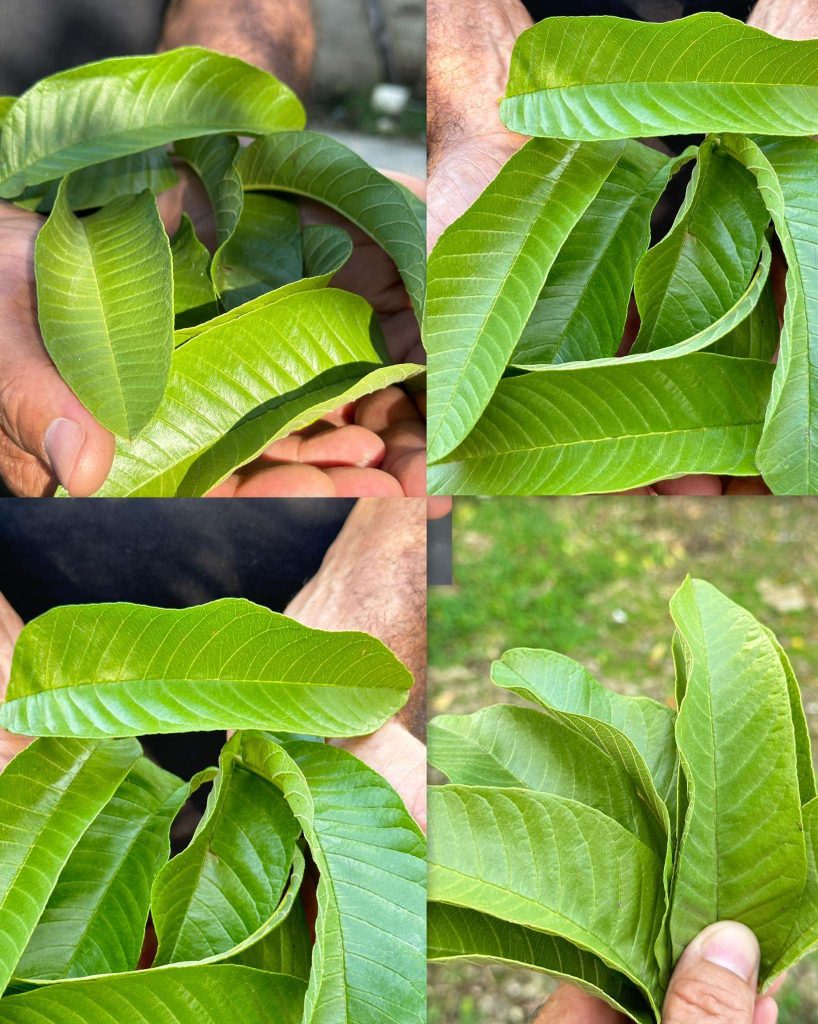
Guava leaves (Psidium guajava) are densely packed with bioactive compounds that drive their health benefits. They are an excellent source of antioxidants, particularly quercetin and flavonoids, which combat oxidative stress and cellular damage. Furthermore, they are rich in essential vitamins like Vitamin C and Vitamin A, along with minerals such as potassium and magnesium. Perhaps most notably, they possess potent anti-inflammatory, antimicrobial, and astringent properties, making them a multi-faceted remedy for various conditions. This unique combination of nutrients acts synergistically, offering more comprehensive benefits than many isolated supplements.
Top Health Benefits and Practical Applications 💡
The applications of guava leaves are surprisingly vast, affecting everything from metabolic health to skincare.
Blood Sugar Regulation: One of the most celebrated benefits is their positive impact on blood glucose levels. Compounds in the leaves inhibit the absorption of certain types of sugars in the intestine, such as maltose and sucrose. Drinking guava leaf tea after meals may help prevent blood sugar spikes 🍵, making it a valuable dietary adjunct for those managing insulin resistance or type 2 diabetes. Always consult with a healthcare provider before making changes to a diabetes management plan.
Digestive Health Champion: For centuries, guava leaf extract has been used to soothe gastrointestinal distress. Its anti-microbial properties can help combat harmful bacteria like Salmonella and E. coli, potentially reducing foodborne illness severity. Meanwhile, its anti-inflammatory effects can calm an upset stomach, ease diarrhea, and even help manage symptoms of conditions like irritable bowel syndrome (IBS).
Heart Health Support: By helping to manage "bad" LDL cholesterol and triglycerides, guava leaves contribute to cardiovascular wellness. The potassium content helps regulate blood pressure by counteracting the effects of sodium and easing tension in blood vessel walls. Incorporating the leaves into your routine supports a holistic approach to heart health ❤️, alongside diet and exercise.
Skin and Hair Elixir: Applied topically, guava leaf paste or rinse can work wonders. Its antimicrobial and anti-inflammatory properties make it effective against acne and skin infections. For hair, it can strengthen follicles, reduce breakage, and combat dandruff. Try a cooled guava leaf tea as a final hair rinse to add shine and strength to your locks.
Oral Hygiene Helper: Chewing on tender guava leaves or using a mouthwash made from their decoction can relieve toothache, heal mouth ulcers, and fight gum inflammation (gingivitis) due to its strong antibacterial and analgesic qualities.
How to Prepare and Use Guava Leaves: A Step-by-Step Guide 🍃
To safely integrate guava leaves into your wellness routine, follow these practical methods:
- Guava Leaf Tea: This is the most common and versatile method. Wash 5-10 fresh leaves (or use 1 tablespoon of dried leaves). Gently crush them to release the oils. Boil in 1-2 cups of water for 10-15 minutes. Strain, let it cool slightly, and enjoy. You can add honey, lemon, or ginger for flavor.
- Topical Paste: Grind fresh leaves into a fine paste using a mortar and pestle or blender. Apply directly to affected skin areas (like acne or minor wounds) for 15-20 minutes before rinsing. Perform a patch test first to check for skin sensitivity.
- Concentrated Extract: For a more potent form, simmer leaves in water until the liquid reduces by half. This stronger decoction can be used in smaller amounts or diluted for skin and hair rinses.
Start with small amounts to assess your body's tolerance, especially when ingesting. The general recommendation is 1-2 cups of tea per day.
Important Precautions and Considerations ⚠️
While natural, guava leaves are potent and are not suitable for everyone. Pregnant and breastfeeding women should avoid therapeutic doses due to a lack of comprehensive safety studies. Individuals on medication for diabetes or blood thinners must consult their doctor, as guava leaves can potentiate the effects of these drugs, leading to hypoglycemia or increased bleeding risk. As with any new supplement, moderation is key, and discontinuing use if you experience any adverse reactions is crucial.
Conclusion: Embracing a Leaf of Life
The guava tree truly offers a gift that extends far beyond its fruit. Its leaves present a compelling, accessible, and natural avenue for supporting various aspects of health, from internal metabolic balance to external skin and hair vitality. By understanding their properties and learning how to prepare them correctly, you can unlock a simple yet powerful tool for holistic well-being. Remember, consistency and mindful usage are the keys to experiencing the profound benefits of guava leaves. We encourage you to explore this natural remedy, armed with the knowledge from this guide, and consider how it might harmoniously fit into your journey toward a healthier life. 🌟
Deja una respuesta