Benefits of Guava Leaves
 Espanol
Espanol
Espanol
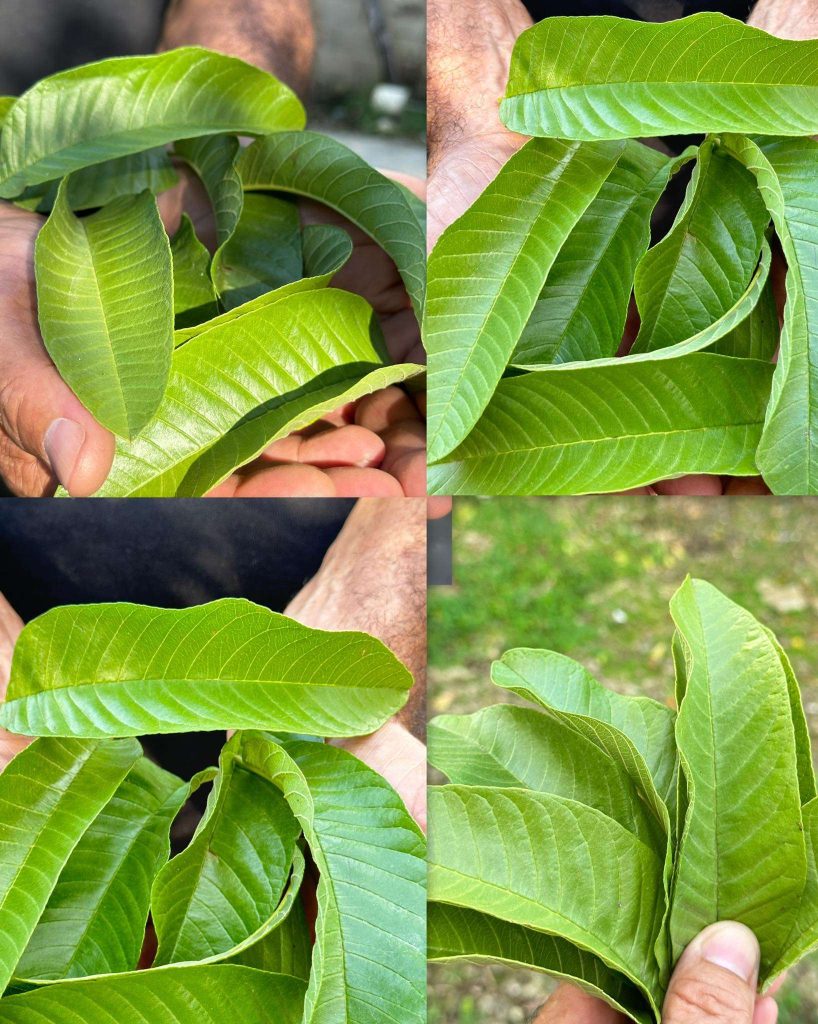
Have you ever walked past a guava tree and admired its fruit without a second thought for its leaves? 🌿 While the sweet, fragrant guava fruit rightfully enjoys its fame, the humble leaves of the Psidium guajava tree are a hidden gem in the world of natural wellness. Packed with a powerful portfolio of bioactive compounds, these leaves have been used for centuries in traditional medicine across various cultures. This article will delve into the scientifically-backed benefits of guava leaves, transforming your perception of this common plant from mere foliage to a potent, accessible health ally.
The Powerhouse Within: Key Compounds in Guava Leaves
Before exploring the specific benefits, it's crucial to understand why guava leaves are so effective. Their potency stems from a rich concentration of beneficial compounds, including flavonoids (like quercetin), tannins, pentacyclic triterpenoids, and essential oils. These compounds work synergistically to provide powerful antioxidant, anti-inflammatory, antimicrobial, and astringent properties. This unique combination is the foundation for the wide array of health benefits we are about to explore.
Digestive Health & Weight Management Support 🍃
Guava leaf tea is a renowned remedy for various digestive complaints. The leaves contain compounds that can help inhibit the growth of harmful bacteria like Staphylococcus aureus and Salmonella while soothing the gastrointestinal tract. For those suffering from diarrhea or dysentery, the astringent tannins can help reduce symptoms effectively. Furthermore, guava leaves prevent dietary carbohydrates from being converted into soluble sugars, which can help in managing blood sugar spikes and, consequently, support weight management efforts. A cup of guava leaf tea after a meal can promote smoother digestion.
A Natural Ally for Blood Sugar Control 📊
This is one of the most celebrated benefits. Several studies indicate that guava leaf extract can help improve insulin resistance and lower blood sugar levels. The compounds in the leaves inhibit the enzymes alpha-glucosidase and alpha-amylase, which are responsible for breaking down carbohydrates into glucose in the digestive system. This action leads to a slower absorption of sugar into the bloodstream, preventing dangerous spikes. While not a replacement for prescribed medication, incorporating guava leaf tea can be a valuable complementary practice for those managing their glucose levels, under medical supervision.
Boosting Heart Health ❤️
The heart-healthy benefits of guava leaves are twofold. First, their potent antioxidant activity helps protect the heart from oxidative stress. Second, and perhaps more notably, they may positively influence cholesterol and blood pressure levels. Research suggests that consuming guava leaf tea over an extended period can help lower "bad" LDL cholesterol and triglycerides while raising "good" HDL cholesterol. The potassium and soluble fiber in the leaves also contribute to maintaining healthy blood pressure, supporting overall cardiovascular function.
Skin, Hair, and Oral Care Enhancer ✨
The anti-inflammatory and antimicrobial properties of guava leaves make them exceptional for topical use. For skin, a cooled guava leaf tea rinse or paste can combat acne, reduce redness, and tone the skin due to its astringency. For hair health, boiling the leaves into a liquid and using it as a final rinse can strengthen hair follicles, combat dandruff, and promote healthier scalp. Chewing on tender guava leaves or using a mouthwash made from their decoction can alleviate toothache, soothe inflamed gums, and fight oral bacteria thanks to its antimicrobial action, ensuring fresher breath and better oral hygiene.
Practical Ways to Incorporate Guava Leaves into Your Routine
Harnessing these benefits is surprisingly simple. The most common method is to prepare a herbal tea.
How to Make Guava Leaf Tea:
1. Rinse 5-10 fresh, organic guava leaves (or use 1 tablespoon of dried leaves).
2. Boil them in 1-2 cups of water for 10-15 minutes.
3. Strain the liquid and allow it to cool slightly.
4. Enjoy it warm or cold. You can add a dash of honey or lemon for flavor, but it's best consumed without sugar to maximize the blood sugar benefits.
For topical use, simply prepare a stronger decoction (using more leaves), let it cool completely, and apply it to the skin or scalp with a cotton pad or as a rinse.
Important Considerations and Conclusion
While guava leaves are generally safe for most people, it is crucial to consult with your healthcare provider before starting any new herbal regimen, especially if you are pregnant, breastfeeding, on medication (particularly for diabetes or blood thinning), or have a scheduled surgery. Start with small amounts to see how your body reacts.
In conclusion, the guava tree offers us much more than its delicious fruit. Its leaves are a veritable treasure trove of wellness benefits, from aiding digestion and managing blood sugar to enhancing skin health and protecting the heart. 🌟 By integrating guava leaf tea or topical applications into your self-care routine, you are tapping into an ancient, natural source of healing that is both effective and accessible. Embrace this gift from nature and discover how these simple leaves can contribute significantly to a holistic approach to your health and well-being.
Deja una respuesta