Benefits of Guava Leaves
 Espanol
Espanol
Unlocking Nature's Pharmacy: The Remarkable Benefits of Guava Leaves 🌿
When we think of the guava tree, our minds often jump straight to its delicious, vitamin-C-rich fruit. However, lurking just out of the spotlight are its verdant, glossy leaves, a true powerhouse of wellness that traditional medicine has cherished for centuries. 🌳 This article delves deep into the science and practical applications behind guava leaves, moving far beyond superficial knowledge to explore how this humble leaf can become a cornerstone of your natural health regimen. We'll uncover their nutritional secrets, proven health benefits, and show you exactly how to harness their power in your daily life.
1. A Nutritional Powerhouse: What's Inside the Leaf? 🔬
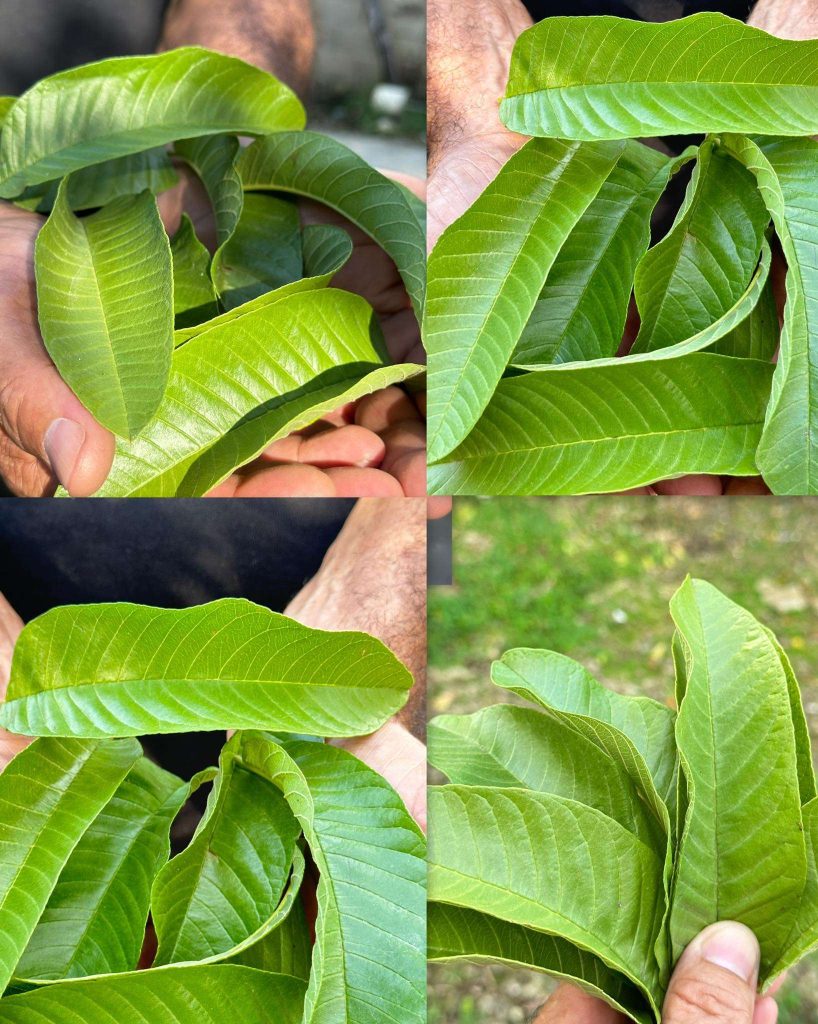
Guava leaves (Psidium guajava) are packed with a formidable array of bioactive compounds. They are exceptionally rich in potent antioxidants like quercetin, flavonoids, and carotenoids, which combat oxidative stress—the root cause of aging and many chronic diseases. Furthermore, they contain valuable anti-inflammatory agents, essential oils (like cineole), and tannins known for their astringent properties. This unique phytochemical composition is what grants the leaves their wide-ranging therapeutic potential, acting as a natural, multi-target remedy for various health concerns.
2. Top Evidence-Based Health Benefits of Guava Leaves
🌟 Blood Sugar Regulation & Diabetes Management
One of the most celebrated benefits is their positive impact on blood glucose levels. Studies suggest that compounds in guava leaf tea can inhibit the absorption of certain types of sugars (like maltose and sucrose) in the intestine and improve insulin sensitivity. Drinking guava leaf tea after meals may help prevent sharp spikes in blood sugar, making it a valuable supportive habit for those managing type 2 diabetes or prediabetes, always under medical guidance. 📉
🌟 Digestive Health Champion
Guava leaves are a boon for your gut. Their antimicrobial properties can help curb the growth of harmful bacteria like Salmonella and E. coli, potentially reducing foodborne illness risk. More commonly, the leaves' anti-inflammatory and antispasmodic effects can soothe an upset stomach, alleviate symptoms of diarrhea, and even help manage conditions like gastritis. A warm cup of guava leaf tea can be a gentle, effective remedy for digestive discomfort. 🫖
🌟 Heart Health Support
By helping to regulate blood pressure and "bad" LDL cholesterol levels, guava leaves contribute to cardiovascular wellness. The antioxidants help prevent the oxidation of cholesterol, a key step in the formation of arterial plaque. The high potassium content also aids in managing blood pressure. Incorporating guava leaf tea as part of a heart-healthy lifestyle can be a simple, proactive step. ❤️
🌟 Skin & Hair Elixir
Applied topically, guava leaf extract works wonders. Its antimicrobial and anti-inflammatory properties make it excellent for treating acne, reducing redness, and speeding up wound healing. For hair, it is traditionally used to combat hair loss and dandruff. You can create a simple hair rinse by boiling leaves in water, cooling the mixture, and applying it to your scalp after shampooing to strengthen hair follicles and add shine. ✨
🌟 Weight Management Aid
Guava leaves may support weight management efforts. They help prevent complex carbohydrates from being converted into simple sugars, potentially reducing the body's urge to store them as fat. Combined with their blood sugar-stabilizing effect, this can help curb cravings and provide a more stable energy level, supporting a balanced diet and exercise plan. ⚖️
3. How to Use Guava Leaves: Practical Tips and Methods
To integrate guava leaves into your routine, follow these practical methods:
Guava Leaf Tea (Infusion): The most common and effective method. Rinse 5-10 fresh, clean leaves (or use 1 tablespoon of dried leaves). Gently crush them to release their oils. Boil them in about one liter of water for 10-15 minutes. Strain and enjoy warm or cold. You can add a touch of honey or lemon for flavor. Consume 1-2 cups daily for systemic benefits.
Topical Applications: For skin, create a concentrated decoction (boil leaves longer for a stronger brew), let it cool, and apply with a cotton pad as a toner or to targeted areas. For mouth health, use the cooled tea as a gargle to reduce gum inflammation and fight bad breath.
Dried vs. Fresh: Both are effective. Fresh leaves offer a more potent aroma, while dried leaves have a longer shelf life and are convenient for daily tea-making.
4. Important Precautions and Final Considerations ⚠️
While guava leaves are generally safe for most people, moderation is key. Pregnant and breastfeeding women should consult a healthcare provider before use. Those with existing medical conditions, especially diabetes (due to their blood sugar-lowering effect), should monitor their levels closely and seek medical advice to avoid potential interactions with medications. Always start with a small amount to see how your body reacts. Remember, guava leaves are a powerful complementary therapy, not a replacement for professional medical diagnosis and treatment.
Conclusion: Embracing a Leaf of Life
In summary, guava leaves are far more than just tree foliage; they are a versatile, accessible, and potent natural remedy. From regulating blood sugar and aiding digestion to enhancing skin radiance and supporting heart health, their benefits are both broad and deeply rooted in emerging scientific understanding. By preparing a simple tea or topical application, you can unlock these benefits practically and sustainably. 🌍 We encourage you to explore this gift from nature, integrate it mindfully into your wellness journey, and experience firsthand how traditional wisdom and modern health goals can beautifully converge. Start with one cup of tea today, and take a step toward a naturally healthier tomorrow.
Deja una respuesta