Benefits of Guava Leaves
 Espanol
Espanol
Unlocking Nature's Pharmacy: The Surprising Power of Guava Leaves 🌿
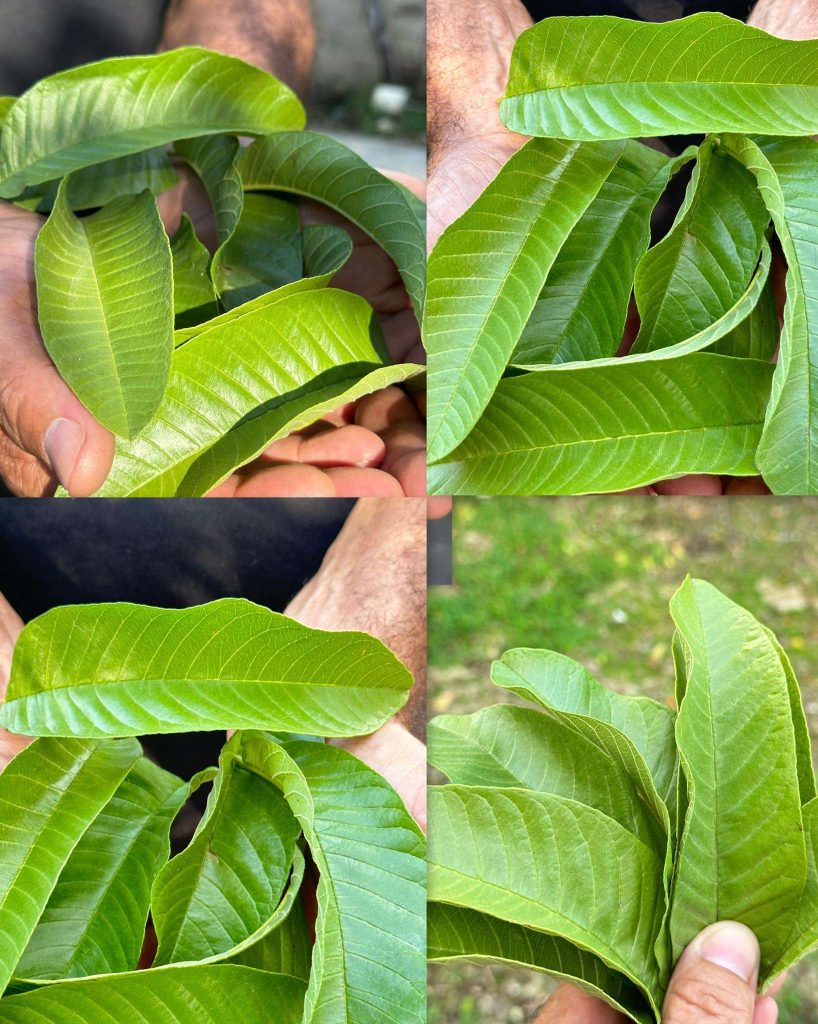
Often overshadowed by its delicious fruit, the humble guava leaf is a powerhouse of wellness waiting to be discovered. Far from just garden waste, these vibrant green leaves have been a cornerstone in traditional medicine across the tropics for centuries. Packed with potent antioxidants, anti-inflammatory compounds, and essential nutrients, guava leaves offer a natural, accessible, and multifaceted approach to enhancing your health. This article will delve deep into the science-backed benefits and practical uses of guava leaves, transforming the way you view this common plant. From blood sugar management to radiant skin, prepare to explore the remarkable therapeutic potential hidden in plain sight.
A Legacy of Healing: Historical and Modern Context 📜
Guava (Psidium guajava) is native to Central America but has spread across the tropical and subtropical world. While the fruit is universally loved, traditional healers in Asia, Africa, and South America have long valued the leaves for their medicinal properties. Used in decoctions, poultices, and teas, they treated ailments from diarrhea and wounds to fever and gum disease. Modern science is now catching up, validating many of these ancient uses through phytochemical analysis. Researchers have identified key bioactive compounds like quercetin, avicularin, and oleanolic acid, which are responsible for the leaves' wide-ranging effects. This blend of traditional wisdom and contemporary research makes guava leaves a uniquely credible natural remedy.
Top Health Benefits of Guava Leaves: A Deep Dive 🔍
Let's explore the specific, evidence-based advantages of incorporating guava leaves into your wellness routine.
Blood Sugar Regulation 🩸
One of the most celebrated benefits is their impact on blood glucose levels. Compounds in the leaves inhibit the absorption of certain types of sugars in the intestine, such as maltose and sucrose. Furthermore, they improve insulin sensitivity and lower hepatic glucose output. Drinking guava leaf tea after meals may help prevent sharp spikes in blood sugar, making it a valuable supportive habit for those managing diabetes or pre-diabetes, always under medical guidance.
Digestive Health Support 🤢
Guava leaves are excellent for soothing digestive turmoil. Their strong anti-microbial and anti-inflammatory properties help combat pathogens like Staphylococcus aureus and E. coli, common causes of food poisoning and diarrhea. A tea made from the leaves can reduce abdominal pain, lessen the duration of diarrhea, and promote a healthier gut environment. They also have mild anti-spasmodic effects, calming stomach cramps and discomfort.
Heart Health and Cholesterol Management ❤️
Supporting cardiovascular wellness is another key area. The leaves' high antioxidant content helps protect the heart from oxidative stress. More notably, studies suggest they can positively influence lipid profiles by lowering "bad" LDL cholesterol and triglycerides while raising "good" HDL cholesterol. This effect, combined with potential mild blood pressure-lowering properties, contributes to overall heart protection.
Skin and Hair Elixir ✨
Applied topically, guava leaf extract works wonders for beauty. Its antiseptic nature helps fight acne-causing bacteria, and its anti-inflammatory compounds reduce redness and swelling. Crushing fresh leaves into a paste and applying it as a mask can clear blemishes and improve skin texture. For hair, a cooled tea rinse can strengthen roots, combat dandruff, and promote healthy growth due to its nutrient and antioxidant content.
Oral Care Champion 🦷
Before modern toothpaste, people used natural astringents like guava leaves for oral hygiene. The leaves' anti-plaque, anti-inflammatory, and analgesic (pain-relieving) properties make them ideal for this. Chewing on a tender leaf or using a mouthwash made from boiled leaves can relieve toothache, soothe inflamed gums, and freshen breath by targeting the underlying bacteria.
How to Use Guava Leaves: Practical Tips and Methods ☕
To harness these benefits, here are the most effective and simple ways to use guava leaves:
1. Guava Leaf Tea (Infusion): This is the most common method. Rinse 5-10 fresh, organic leaves (or 1 tablespoon dried). Lightly crush them to release their compounds. Steep in a cup of hot water for 5-10 minutes. Strain and enjoy. You can add honey or lemon for taste. Drink 1-2 times daily.
2. Topical Paste for Skin: Grind a handful of clean, fresh leaves with a little water to form a smooth paste. Apply directly to affected skin areas (acne, insect bites, minor wounds). Leave on for 15-20 minutes before rinsing with cool water.
3. Mouth Rinse: Boil a handful of leaves in a liter of water for 10-15 minutes. Let it cool completely, then strain. Use it as a gargle or mouthwash 2-3 times a day, especially after meals.
4. Dietary Supplement: Guava leaf extract is also available in capsule or tincture form from health stores. Follow the manufacturer's or a healthcare provider's dosage instructions.
⚠️ Crucial Safety Note: While generally safe, consult your doctor before using guava leaves therapeutically if you are pregnant, breastfeeding, on medication (especially for diabetes or blood thinning), or scheduled for surgery. Moderation is key.
Conclusion: Embracing a Simple, Natural Wellness Tool 🌟
In summary, guava leaves are a versatile and potent gift from nature, offering benefits that span from internal metabolic support to external skin and hair care. Their efficacy is rooted in a rich history of traditional use and is increasingly supported by modern scientific inquiry. By integrating guava leaf tea into your daily routine or using it as a targeted natural remedy, you tap into an accessible form of holistic health support. Remember, the goal is complementarity—guava leaves are best used to supplement a balanced diet and healthy lifestyle, not replace medical treatment. Why not explore this natural treasure? Your journey towards discovering the humble power of the guava leaf starts with a simple, steaming cup of tea.
Deja una respuesta