Benefits of Guava Leaves
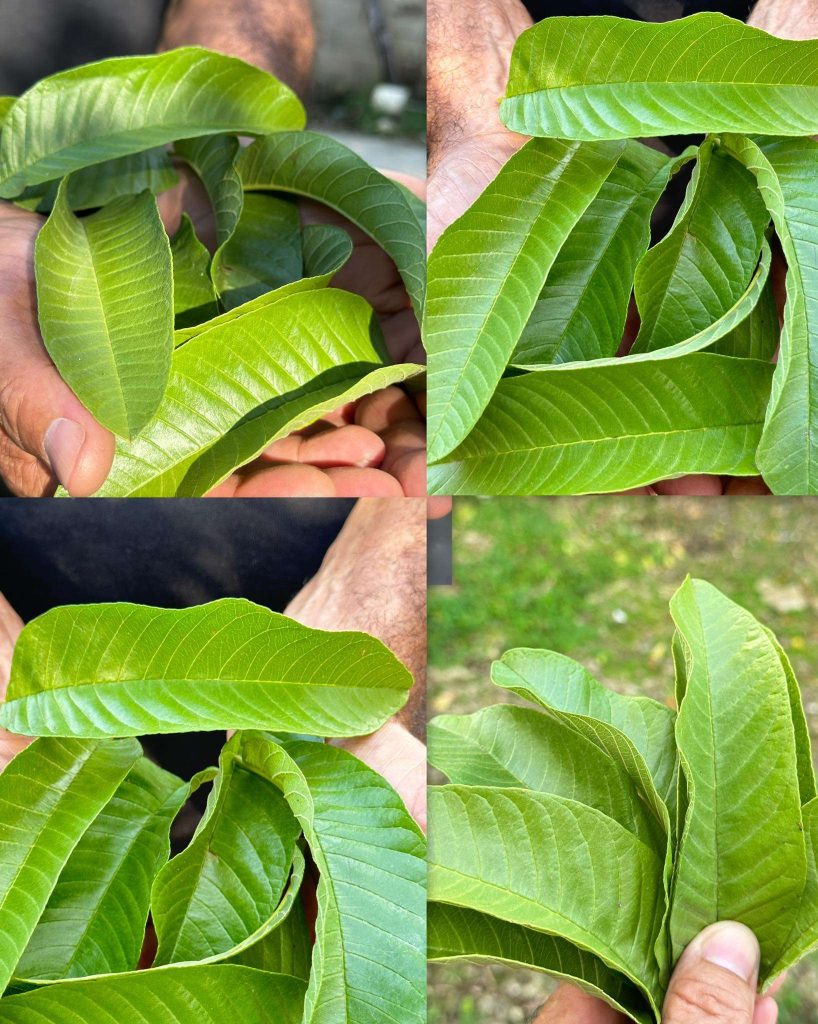
Introduction: Unlocking the Hidden Power of a Common Leaf 🌿
 Espanol
When we think of guava, our minds often go straight to its delicious, vitamin C-rich fruit. However, lurking just out of the spotlight are its leaves, a true powerhouse of wellness that have been revered in traditional medicine for centuries. From tropical backyards to modern research labs, guava leaves (Psidium guajava) are gaining recognition for their impressive array of health benefits. This article delves deep into the science and traditional wisdom behind guava leaves, moving beyond superficial claims to provide you with a comprehensive, practical guide. We will explore their nutritional profile, specific health applications, and how you can easily incorporate them into your daily routine for enhanced well-being.
Espanol
Nutritional Profile: A Treasure Trove of Bioactive Compounds 🧪
Guava leaves are not just simple greenery; they are a complex blend of potent compounds. Their efficacy stems from a rich concentration of antioxidants like quercetin and flavonoids, along with essential oils, tannins, and saponins. They are a notable source of vitamin C and vitamin A, and contain beneficial minerals such as iron and potassium. The most significant bioactive components are their polyphenols, which are responsible for much of their therapeutic action, particularly their strong anti-inflammatory and antimicrobial properties. Understanding this composition is key to appreciating their wide-ranging health effects.
Key Health Benefits and Practical Applications
The benefits of guava leaves are diverse, impacting everything from metabolic health to skin care. Here, we break down the most evidence-supported advantages.
1. Blood Sugar Regulation and Diabetes Support 🩸
One of the most celebrated benefits is their potential to help manage blood sugar levels. Compounds in the leaves inhibit the absorption of certain types of sugars in the bloodstream, such as maltose and sucrose. Drinking guava leaf tea after meals may help prevent blood sugar spikes. Several studies suggest that regular consumption can improve insulin resistance and lower blood glucose levels, making it a valuable supportive dietary measure for those managing type 2 diabetes or pre-diabetes. Always consult your doctor before using it as part of a management plan.
2. Digestive Health and Weight Management 🤰
Guava leaf tea is a classic remedy for digestive woes. Its anti-spasmodic and antimicrobial properties can soothe an upset stomach, reduce symptoms of diarrhea, and combat harmful gut bacteria. The leaves also contain dietary fiber, which aids in healthy digestion and promotes a feeling of fullness. This, combined with its potential impact on carbohydrate metabolism, makes it a sensible complement to a balanced diet and exercise routine for weight management. For digestive relief, try a warm cup of tea at the first sign of discomfort.
3. Heart Health and Cholesterol Control ❤️
Supporting cardiovascular health is another crucial benefit. The antioxidants in guava leaves help protect the heart from oxidative damage. More concretely, studies indicate that leaf extracts can help lower "bad" LDL cholesterol and triglycerides while raising "good" HDL cholesterol. This dual action, along with a potential mild blood pressure-lowering effect, contributes to a reduced risk of atherosclerosis and heart disease. Think of it as a heart-healthy habit in a cup.
4. Skin, Hair, and Oral Health ✨
The benefits extend to external applications as well. The antimicrobial and anti-inflammatory traits make guava leaf paste or rinse excellent for acne, eczema, and skin irritation. A cooled tea rinse can soothe scalp inflammation, potentially reducing dandruff and strengthening hair follicles due to its nutrient content. Furthermore, chewing on the leaves or using a mouthwash made from their decoction can alleviate toothache, gum inflammation, and oral ulcers thanks to its analgesic and antibacterial effects.
How to Use Guava Leaves: A Practical Guide 🍵
Incorporating guava leaves into your life is simple and cost-effective.
- Tea (Infusion): The most popular method. Steep 5-10 fresh or dried leaves in hot water for 5-10 minutes. Strain and enjoy. Add honey or lemon for flavor.
- Topical Paste: Crush fresh leaves into a paste with a little water. Apply directly to affected skin areas for 10-15 minutes before rinsing.
- Extract and Supplements: Concentrated extracts and capsules are available. Choose reputable brands and follow dosage instructions carefully.
Start with small amounts to assess your body's tolerance. While generally safe, excessive consumption may cause stomach upset in some individuals. Pregnant and breastfeeding women should consult a healthcare professional before use.
Conclusion: A Leaf Worth Embracing
From regulating blood sugar and aiding digestion to promoting radiant skin and a healthier heart, guava leaves offer a remarkable spectrum of benefits backed by both tradition and emerging science. 🌱 They represent a perfect example of how nature provides powerful, accessible tools for preventative health and wellness. By integrating guava leaf tea into your daily ritual or using it as a targeted remedy, you are tapping into an ancient, yet highly relevant, source of healing. We encourage you to explore this natural wonder—start with a simple cup of tea and experience its benefits firsthand. Remember, for chronic conditions, it should complement, not replace, professional medical advice. Here's to your health, naturally!
Deja una respuesta