Benefits of Guava Leaves
 Espanol
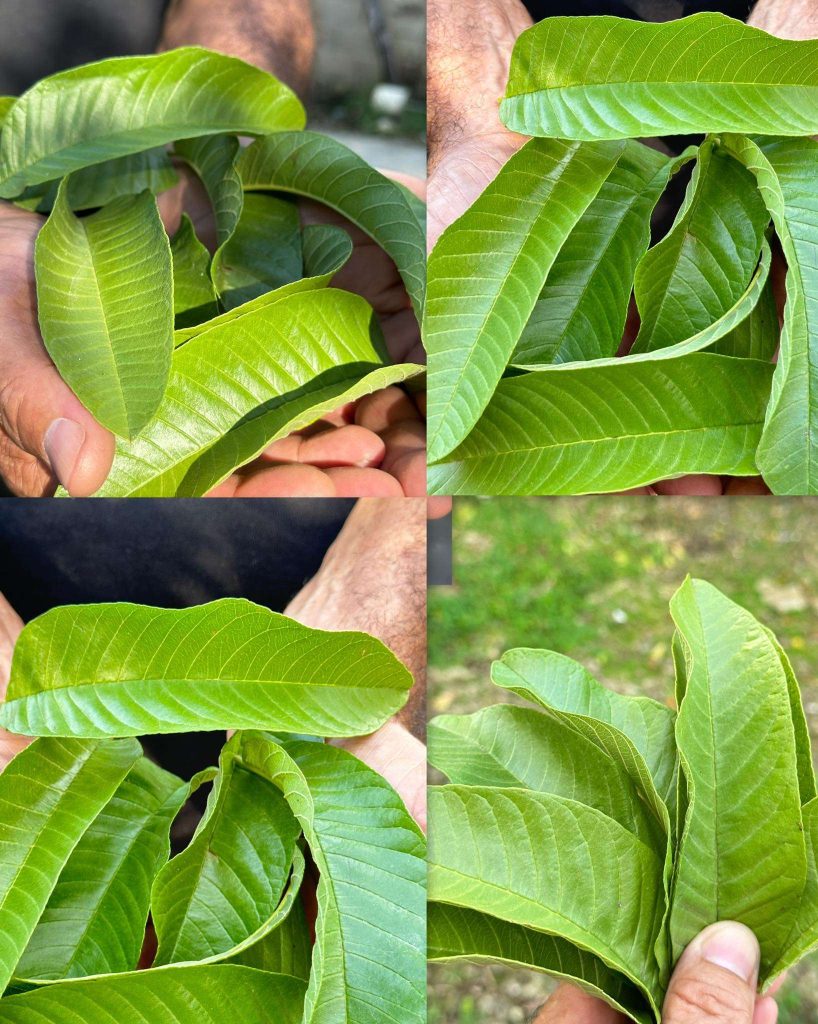
🌿 Welcome to a deep dive into one of nature's most underrated treasures: guava leaves. While the sweet, juicy guava fruit often steals the spotlight, the leaves of the Psidium guajava tree hold a potent array of health and wellness benefits that have been cherished in traditional medicine for centuries. This article will explore the science-backed advantages of incorporating guava leaves into your routine, offering practical tips and clear insights. Whether you're seeking natural remedies or simply curious about botanical wellness, you're in the right place. Let's unlock the power of these verdant wonders together! 🌿
Espanol
Beyond the Fruit: An Introduction to Guava Leaf Power
Often overlooked, the humble guava leaf is a powerhouse of nutrients and bioactive compounds. 🍃 Rich in antioxidants like flavonoids (particularly quercetin) and polyphenols, as well as essential vitamins (Vitamin C, B vitamins) and minerals, these leaves offer a broad spectrum of therapeutic properties. From aiding digestion to managing blood sugar, their applications are both versatile and impressive. Modern research is beginning to validate what ancient Ayurvedic and traditional medicinal systems have long known, making guava leaves a fascinating subject for anyone interested in holistic health.
Digestive Health and Gut Support 🫀
One of the most celebrated benefits of guava leaves is their positive impact on the digestive system. They possess strong anti-microbial and anti-inflammatory properties that can help combat harmful gut bacteria while soothing the intestinal lining. A warm cup of guava leaf tea is a renowned remedy for soothing stomach aches, reducing episodes of diarrhea, and alleviating symptoms of food poisoning. The leaves help inhibit the growth of bacteria like Staphylococcus aureus and E. coli, promoting a healthier gut flora balance. For practical use, steeping 5-6 fresh or dried leaves in hot water for 10 minutes creates a beneficial digestive tea.
Natural Blood Sugar Regulation 📊
For those managing blood glucose levels, guava leaves present a promising natural adjunct. Studies suggest that compounds in the leaves can help improve insulin sensitivity and reduce blood sugar spikes after meals. They inhibit certain enzymes that convert carbohydrates into glucose in the bloodstream, leading to a more moderated release of sugar. While not a replacement for prescribed medication, incorporating guava leaf tea into a balanced diet can be a supportive strategy. 🩺 Consistency is key—drinking guava leaf tea daily, preferably after meals, may help harness these regulatory effects.
Skin and Hair Elixir ✨
Your external beauty routine can get a boost from guava leaves too! Their high antioxidant content fights free radicals that cause premature aging, while their anti-inflammatory and antimicrobial traits make them excellent for problematic skin. A cooled guava leaf tea rinse can help reduce acne, redness, and skin irritation. For hair health, boiling the leaves into a potent rinse may help combat dandruff, strengthen hair follicles, and prevent hair loss by improving scalp circulation. 🧴 Try applying cooled guava leaf tea to your face with a cotton pad as a refreshing toner, or use it as a final hair rinse after shampooing.
Immune System and Anti-Inflammatory Boost 🛡️
The immune-boosting potential of guava leaves is significant, largely thanks to their vitamin C content and antioxidant profile. These components strengthen the body's natural defenses against pathogens. Furthermore, the anti-inflammatory compounds can help reduce systemic inflammation, which is a root cause of many chronic diseases. Regular consumption of guava leaf tea may contribute to reduced pain and swelling, particularly beneficial for conditions like arthritis. 🍵 Making guava leaf tea a part of your daily wellness ritual can be a simple step toward a more resilient constitution.
Heart Health and Cholesterol Management ❤️
Emerging research points to cardiovascular benefits associated with guava leaves. The leaves may aid in managing "bad" LDL cholesterol and triglycerides while supporting "good" HDL cholesterol levels. This lipid-regulating effect, combined with their antioxidant action that protects blood vessels from oxidative damage, contributes to better heart health. The potassium in the leaves also helps in managing blood pressure by counteracting the effects of sodium and easing tension in blood vessel walls.
How to Use Guava Leaves: Practical Tips
Incorporating guava leaves into your life is straightforward. Here are the most common methods:
- Tea/Infusion: The most popular method. Use fresh (washed) or dried leaves. Crush them slightly to release oils, add to boiling water, and simmer for 10-15 minutes. Strain and enjoy. You can add honey or lemon for taste.
- Topical Application: For skin and hair, prepare a strong decoction by boiling a handful of leaves in water for 20 minutes. Let it cool completely before applying.
- Powder: Dried leaves can be ground into a fine powder. This powder can be added to smoothies, juices, or even face masks.
Always start with a small amount to see how your body reacts, and if you have underlying health conditions or are pregnant, consult a healthcare professional first. ⚠️
Conclusion: Embracing the Green Gift 🌍
From gut to heart, and skin to immune defense, guava leaves offer a remarkable, multi-faceted approach to natural wellness. 🌿 This exploration has highlighted their key roles in digestive support, blood sugar management, skin and hair care, inflammation reduction, and cardiovascular health. Their strength lies in the synergy of powerful antioxidants, anti-inflammatory agents, and antimicrobial compounds. While they are a fantastic supplement to a healthy lifestyle, remember they work best as part of a balanced diet and are not a cure-all. We encourage you to explore the gentle power of guava leaves—perhaps starting with a simple cup of tea—and experience their benefits firsthand. Here's to discovering the profound wellness hidden in nature's foliage!
Deja una respuesta