Benefits of Guava Leaves
 Espanol
Espanol
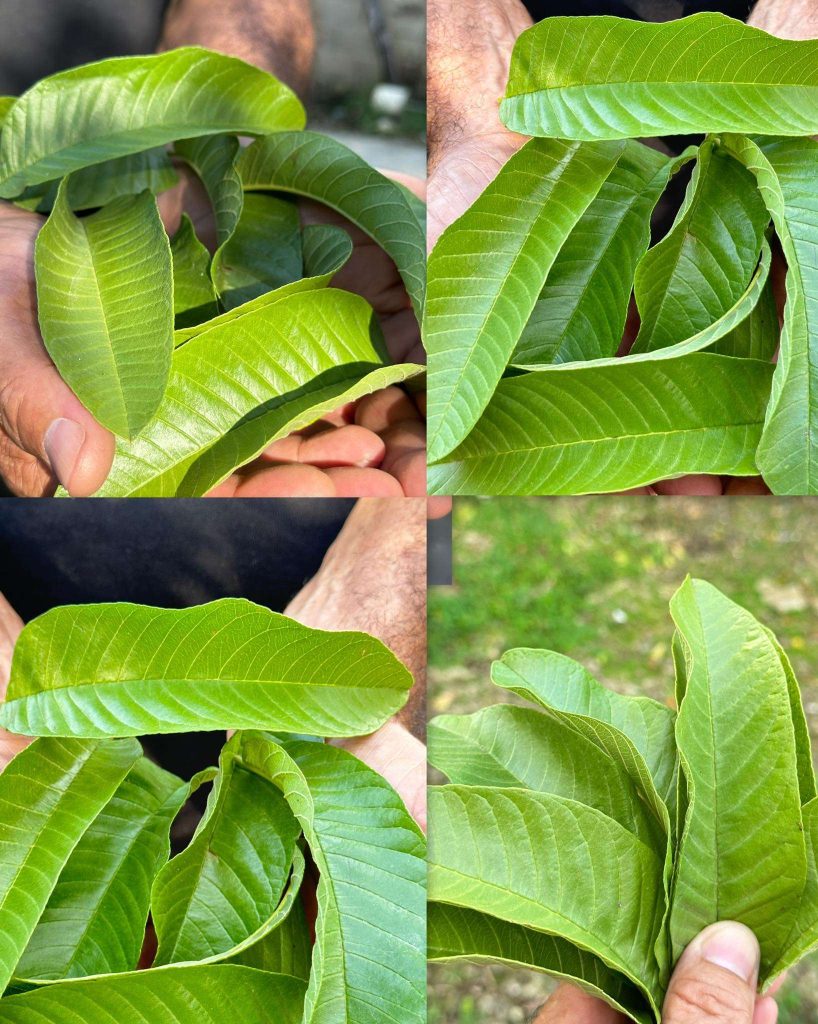
Often overshadowed by its sweet, pink-fleshed fruit, the humble guava leaf is a powerhouse of wellness hiding in plain sight. 🌿 For centuries, traditional medicine systems across the tropics have harnessed their potent properties, and modern science is now catching up, revealing a remarkable profile of bioactive compounds. This article delves deep into the science-backed and traditional benefits of guava leaves, offering you a practical guide to unlocking their potential for your health and well-being. Get ready to discover why this simple leaf deserves a prime spot in your natural health toolkit.
Unpacking the Nutritional Powerhouse: What Makes Guava Leaves Special?
Guava leaves (Psidium guajava) are rich in antioxidants like quercetin, flavonoids, and tannins, along with essential vitamins (notably Vitamin C) and powerful anti-inflammatory compounds. 🌱 This unique blend is responsible for their wide-ranging therapeutic effects. Unlike the fruit, the leaves contain certain compounds in higher concentrations, making them particularly potent for specific health applications. Their use, primarily as a tea or topical extract, is a testament to the principle that sometimes the most powerful remedies come from the most unassuming parts of a plant.
A Deep Dive into the Top Benefits of Guava Leaves
Let's explore the key areas where guava leaf extracts and teas have shown significant promise, moving beyond superficial claims to understand the practical applications.
1. Blood Sugar Regulation & Metabolic Health 🩸
Perhaps one of the most researched benefits is their impact on blood glucose levels. Compounds in guava leaves inhibit the absorption of certain types of sugars in the intestine and improve insulin sensitivity. Drinking guava leaf tea after meals may help prevent sharp spikes in blood sugar. This makes it a valuable, natural adjunct for those managing prediabetes or type 2 diabetes, though it should never replace prescribed medication without consulting a doctor.
2. Digestive System Soother 🤢
Guava leaves possess strong antimicrobial and anti-inflammatory properties that can combat harmful gut bacteria like Salmonella and E. coli, while soothing the intestinal lining. For bouts of diarrhea or acute gastroenteritis, a strong cup of guava leaf tea can act as an effective remedy. Its astringent qualities help reduce mucus production and slow down rapid bowel movements. For general digestive upset, it can relieve bloating and discomfort.
3. Skin Health and Wound Healing Champion ✨
Applied topically, guava leaf paste or a cooled tea rinse works wonders for the skin. Its antimicrobial nature fights acne-causing bacteria, while its anti-inflammatory action reduces redness and swelling. The high antioxidant content combats free radical damage, potentially slowing signs of aging. For minor cuts, scrapes, or acne, applying a clean cloth soaked in cooled guava leaf tea can promote faster healing and prevent infection.
4. Heart Health and Cholesterol Support ❤️
Regular consumption of guava leaf tea may contribute to a healthier cardiovascular profile. Studies suggest it can help lower "bad" LDL cholesterol and triglycerides while supporting "good" HDL cholesterol. The antihypertensive and anti-inflammatory effects also contribute to reduced strain on the heart and improved blood vessel function.
5. Oral Care and Fresh Breath 😁
The anti-inflammatory and antibacterial prowess of guava leaves extends to oral hygiene. Chewing on a clean, tender leaf or using a mouthwash made from a cooled decoction can alleviate gum inflammation (gingivitis), soothe mouth ulcers, and combat the bacteria that cause plaque and bad breath. It's a time-tested, natural alternative for maintaining oral health.
How to Use Guava Leaves: Practical Preparation Methods
To incorporate these benefits into your routine, here are the most common and effective methods:
- Guava Leaf Tea (Infusion): The simplest method. Steep 5-10 fresh or dried leaves in a cup of hot water for 5-10 minutes. Strain and enjoy. You can add honey or lemon for taste. For a stronger decoction, simmer the leaves in water for 15-20 minutes.
- Topical Application: For skin or hair, create a concentrated decoction by boiling a large handful of leaves in water for 20 minutes. Let it cool completely, then use it as a facial toner, hair rinse (for dandruff and hair loss), or a soak for skin irritations.
- Powdered Supplement: Dried, powdered guava leaves are available in capsule form, offering a standardized dose. Always choose reputable brands and follow dosage instructions.
Key Tip: Always source organic, pesticide-free leaves, whether you're harvesting them yourself or purchasing them dried. 🍃
Important Precautions and Final Thoughts
While guava leaves are generally safe for most people, it is crucial to consult with your healthcare provider before starting any new herbal regimen, especially if you are pregnant, breastfeeding, on medication (particularly for diabetes or blood pressure), or have a scheduled surgery. Start with small amounts to see how your body reacts.
In conclusion, the guava tree truly is a gift that keeps on giving, from its delicious fruit to its remarkably versatile leaves. 🌳 The benefits of guava leaves—from supporting metabolic and digestive health to enhancing skin and oral care—are rooted in both traditional wisdom and emerging scientific evidence. By understanding how to prepare and use them safely, you can tap into an accessible, natural resource for holistic well-being. Consider integrating a cup of guava leaf tea into your weekly routine and observe the positive changes it may bring to your health journey.
Deja una respuesta