Benefits of Guava Leaves
 Espanol
Espanol
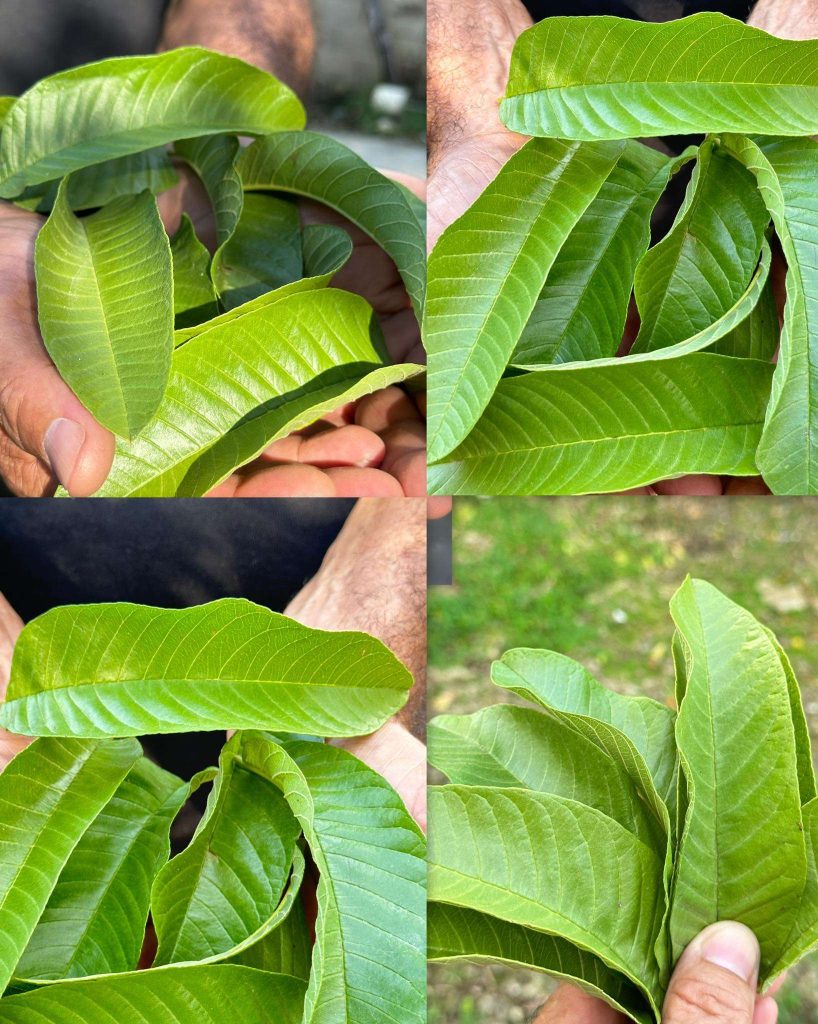
🌿 The Humble Powerhouse: Unveiling the Remarkable Benefits of Guava Leaves
Often overshadowed by the delicious and vitamin C-rich guava fruit, the leaves of the guava tree (Psidium guajava) are a treasure trove of wellness hidden in plain sight. 🌳 For centuries, these unassuming leaves have been a cornerstone in traditional medicine systems across tropical regions, and modern science is now catching up, validating their impressive therapeutic properties. This article delves deep into the world of guava leaves, moving beyond superficial claims to explore the science-backed benefits, practical applications, and crucial considerations for integrating this natural remedy into your wellness routine.
💊 A Deep Dive into the Nutritional and Therapeutic Profile
Guava leaves are packed with a potent blend of bioactive compounds that contribute to their health-promoting effects. They are rich in powerful antioxidants like quercetin, flavonoids, and carotenoids, which combat oxidative stress and cellular damage. Furthermore, they contain significant anti-inflammatory agents and essential vitamins, notably Vitamin C and niacin (B3). This unique composition is responsible for their wide-ranging benefits, from blood sugar regulation to skin health enhancement.
🩸 Key Health Benefits Explored
Let's explore the specific, research-supported advantages of incorporating guava leaves into your health regimen.
Supports Healthy Blood Sugar Levels
One of the most celebrated benefits of guava leaf tea is its potential role in managing blood glucose levels. Studies suggest that compounds in the leaves inhibit certain enzymes that convert carbohydrates into sugar in the bloodstream, leading to a more gradual absorption. Drinking guava leaf tea after meals may help prevent blood sugar spikes. However, it is crucial to consult with a healthcare provider, especially if you are on diabetes medication, to avoid hypoglycemia.
Promotes Digestive Wellness
Guava leaves possess strong antimicrobial and anti-inflammatory properties that can soothe the digestive tract. They are traditionally used to alleviate symptoms of diarrhea and food poisoning by inhibiting harmful bacteria like Staphylococcus aureus. The leaves' anti-spasmodic qualities can also help ease stomach cramps and bloating, making a warm cup of guava leaf tea a gentle remedy for an upset stomach. 🤢➡️😊
Boosts Heart Health
The holistic impact on heart health is noteworthy. The leaves may contribute by helping to lower "bad" LDL cholesterol and triglycerides, thanks to their hypolipidemic effects. Their high potassium content supports healthy blood pressure levels, while the antioxidants protect the heart from oxidative damage. Incorporating the tea as part of a heart-healthy lifestyle can be a supportive measure.
Enhances Skin and Hair Health
Applied topically, guava leaf extract is a boon for beauty. Its antimicrobial and anti-inflammatory properties fight acne-causing bacteria and reduce redness. A simple face wash or toner made from cooled guava leaf tea can clarify the skin. For hair, it is believed to strengthen follicles and combat dandruff, promoting a healthier scalp and potentially reducing hair loss. Apply cooled tea as a final rinse after shampooing for best results. ✨
Additional Notable Benefits
- Weight Management Aid: By potentially blocking the conversion of complex carbohydrates into sugars, the leaves may complement a weight management plan.
- Oral Health Guardian: Chewing on young guava leaves or using a mouthwash made from their decoction can relieve toothache, gum inflammation, and oral ulcers due to its analgesic and antibacterial effects.
- Immunity Support: The high vitamin C content, though less than in the fruit, still contributes to strengthening the body's natural defenses.
🫖 How to Prepare and Use Guava Leaves: A Practical Guide
To harness these benefits, the most common and effective method is preparing a simple infusion or tea.
Recipe for Guava Leaf Tea:
- Wash 5-10 fresh, organic guava leaves (or use 1 tablespoon of dried leaves). 🌿
- Boil them in about 1 liter (4 cups) of water for 10-15 minutes.
- Strain the liquid into a cup. The tea will have a light green to brownish hue and a distinct, earthy flavor.
- You can enjoy it warm or cold. For taste, consider adding a dash of honey, lemon, or ginger. Start with one cup per day to assess your body's response.
For topical use: Allow the prepared tea to cool completely. Use it as a facial toner, a hair rinse, or apply it to affected skin with a clean cotton pad.
⚠️ Important Precautions and Final Thoughts
While guava leaves are generally safe for most people, responsible use is key. Pregnant and breastfeeding women should avoid therapeutic use without medical consultation. As mentioned, individuals with diabetes or those scheduled for surgery must exercise caution due to its blood sugar-lowering effects. Always source leaves from areas free of pesticides, or opt for high-quality, organic dried leaves.
🎯 Conclusion: A Leaf Worth Exploring
From supporting metabolic and cardiovascular health to offering solutions for common skin and digestive issues, guava leaves prove to be a remarkably versatile and accessible natural remedy. 🌟 Their power lies not in being a magic cure, but in their potential as a supportive element within a balanced, health-conscious lifestyle. By understanding their benefits and using them wisely, you can tap into an ancient wisdom that is now receiving its well-deserved modern recognition. We encourage you to consult with a healthcare professional and consider giving this humble leaf a try—your journey toward natural wellness might just find a powerful, leafy ally.
Deja una respuesta