Benefits of Guava Leaves
 Espanol
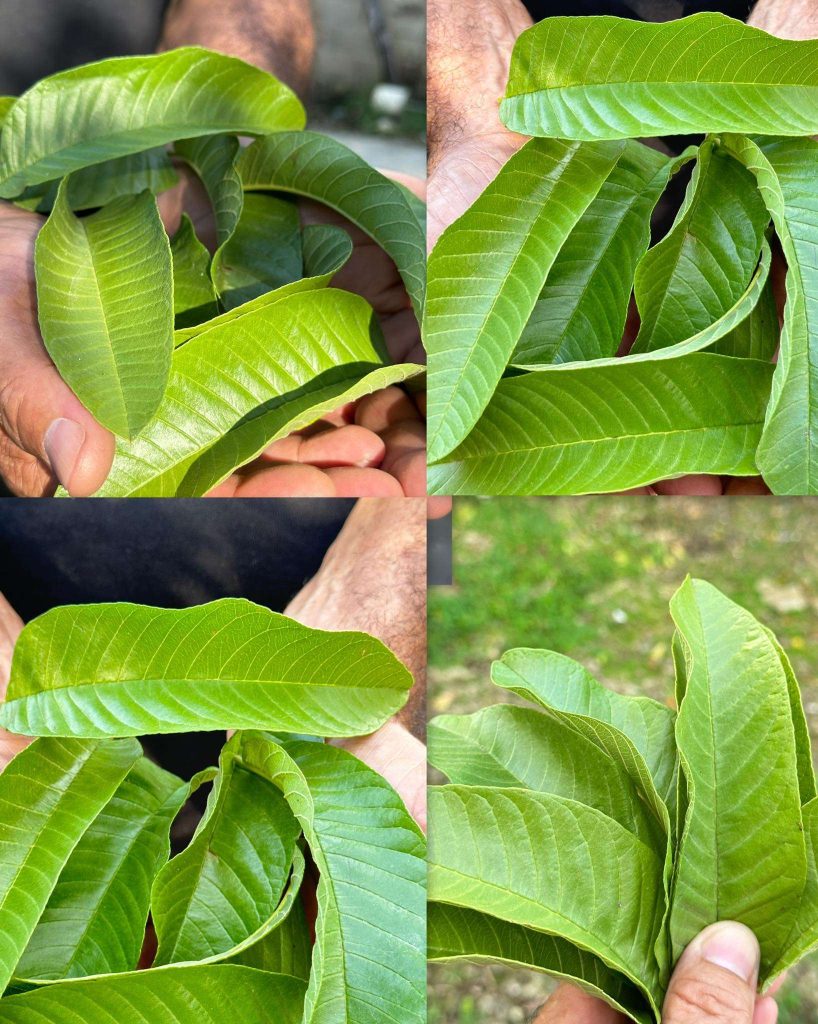
Welcome to a deep dive into the unsung hero of the tropical garden: the guava leaf 🌿. Often overshadowed by the sweet, tangy fruit it produces, the humble guava leaf is a powerhouse of nutrients and medicinal properties that have been cherished in traditional medicine for centuries. In this article, we will explore the impressive scientific and practical benefits of incorporating guava leaves into your wellness routine, moving beyond the common knowledge to offer you valuable, actionable insights. Let's unlock the potential of this readily available natural remedy.
Espanol
Beyond the Fruit: An Introduction to Guava Leaf Power
While most people relish the guava fruit for its delicious taste and vitamin C content, the leaves of the Psidium guajava tree hold a treasure trove of bioactive compounds. Rich in antioxidants like quercetin, flavonoids, and tannins, as well as essential oils and vitamins, these leaves offer a wide spectrum of health benefits. From aiding digestion to managing blood sugar, their uses are both versatile and potent. Embracing guava leaves is a step towards a more holistic and natural approach to health and well-being 🌱.
Unpacking the Key Health Benefits of Guava Leaves
The therapeutic applications of guava leaves are vast. Here, we break down the most significant, science-backed benefits you should know about.
1. A Champion for Digestive Health 🤢➡️😊
Guava leaves are renowned for their anti-diarrheal and antimicrobial properties. The compounds in the leaves can inhibit the growth of harmful bacteria like Staphylococcus aureus and E. coli in the gut. Preparing a simple tea from guava leaves can soothe stomach aches, reduce the duration of diarrhea, and even help with food poisoning. The anti-inflammatory nature of the leaves also assists in treating gastritis and calming an upset stomach.
2. A Natural Ally in Blood Sugar Management 📊
Several studies suggest that guava leaf tea can help lower blood glucose levels. The leaves inhibit certain enzymes that convert carbohydrates in the digestive tract into glucose, leading to a slower absorption of sugar into the bloodstream. For those managing type 2 diabetes or pre-diabetes, drinking guava leaf tea after meals may be a beneficial complementary practice. However, it is crucial to monitor your levels and consult with your healthcare provider. 💡
3. A Boost for Heart Health ❤️
The dual action of lowering "bad" LDL cholesterol and triglycerides while raising "good" HDL cholesterol makes guava leaves excellent for cardiovascular care. The high potassium content helps regulate blood pressure by counteracting the effects of sodium and easing tension in the blood vessel walls. Incorporating guava leaf extract or tea into a heart-healthy lifestyle can contribute to long-term cardiovascular resilience.
4. Your Skin's New Best Friend ✨
The antimicrobial and anti-inflammatory properties of guava leaves make them effective in treating various skin issues. A topical paste or wash made from boiled leaves can help heal acne, reduce redness, and speed up the recovery of minor wounds and insect bites. The antioxidants also combat free radicals, potentially slowing down skin aging and improving overall complexion.
Practical Ways to Use Guava Leaves in Your Daily Life
Knowing the benefits is one thing; applying them is another. Here are simple, effective methods to harness the power of guava leaves.
✨ How to Make Guava Leaf Tea: This is the most common and versatile method. Rinse 5-10 fresh, organic leaves (or use 1 tablespoon of dried leaves). Boil them in 1-2 cups of water for about 10 minutes. Strain and enjoy. You can drink it warm or cold, and add honey or lemon for taste. For digestive issues, drink after meals. For overall wellness, 1-2 cups daily is typical.
✨ Creating a Topical Treatment for Skin & Hair: Boil a handful of leaves in a liter of water for 15-20 minutes. Let it cool. Use this concentrated water as a final rinse for your hair to combat dandruff and promote growth, or apply it to your face with a cotton pad as a soothing toner for acne-prone skin.
✨ Culinary Uses: In some cuisines, young guava leaves are lightly steamed or used to wrap food, imparting a subtle, herbal flavor. While less common, this is an innovative way to add nutrients to your diet.
Important Considerations and Safety Tips ⚠️
While guava leaves are generally safe for most people, it's essential to practice caution. Always start with a small amount to see how your body reacts. Pregnant and breastfeeding women should consult a doctor before use. Due to their effect on blood sugar, those on diabetes medication must use them under medical supervision to avoid hypoglycemia. As with any natural remedy, quality matters—opt for leaves from trees not treated with pesticides.
Conclusion: Embracing a Leaf of Great Value
In summary, the guava leaf is far more than just part of a fruit tree. It is a multifunctional, natural remedy offering significant benefits for digestion 🫁, blood sugar balance, heart health, and skin care. By learning to prepare a simple tea or a topical rinse, you can easily integrate this powerful resource into your health and wellness regimen. We encourage you to explore the potential of guava leaves with mindfulness and respect for their potency. Your journey towards a more natural lifestyle might just begin with this single, mighty leaf. 🌿
Deja una respuesta