Benefits of Guava Leaves
 Espanol
Espanol
Unlock the Power of Nature: The Remarkable Benefits of Guava Leaves 🍃
Often overshadowed by the sweet, tangy fruit they accompany, guava leaves are a treasure trove of health-promoting compounds waiting to be discovered. While the guava fruit enjoys global popularity, its leaves have been a cornerstone of traditional medicine across various cultures for centuries. This article delves deep into the science and practical applications behind guava leaves, transforming this humble foliage from a simple garden accessory into a powerful, natural supplement for your wellness toolkit. We will explore their impressive nutritional profile, unveil their wide-ranging benefits, and provide you with actionable ways to incorporate them into your daily routine.
A Nutritional Powerhouse in Every Leaf 🌿
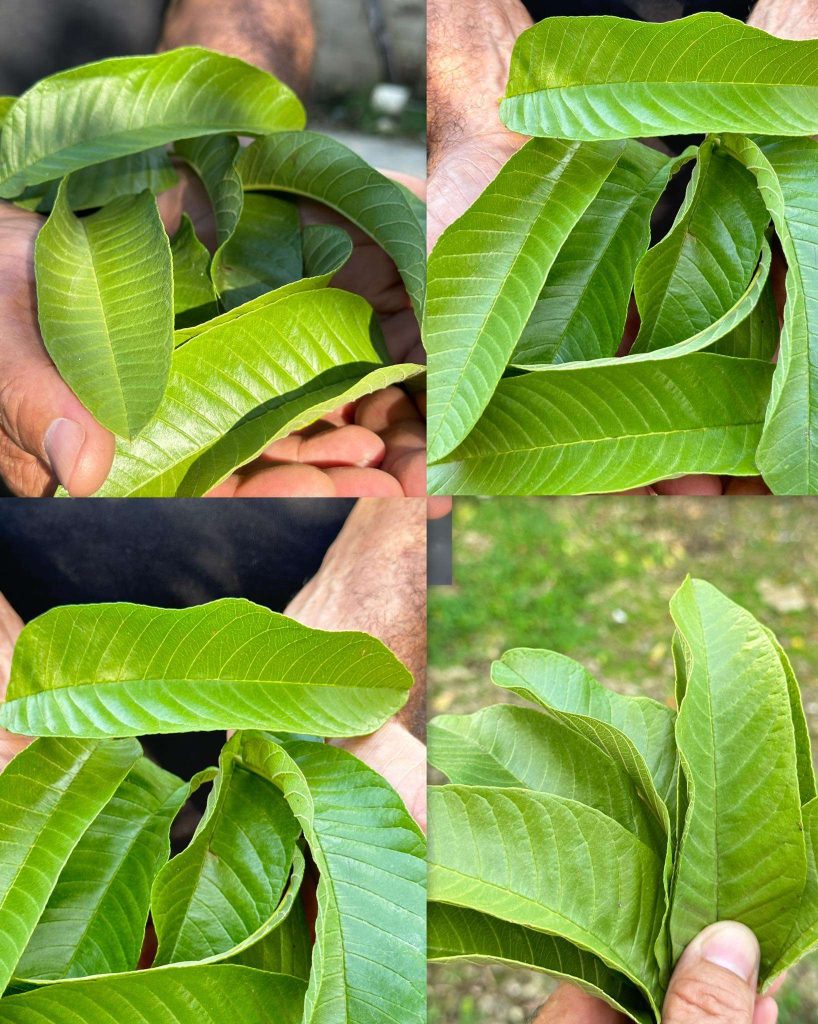
Guava leaves (Psidium guajava) are densely packed with bioactive compounds that contribute to their therapeutic effects. They are exceptionally rich in antioxidants, including flavonoids like quercetin, and vitamins such as vitamin C and vitamin A. Furthermore, they contain potent anti-inflammatory agents like tannins (e.g., gallic acid) and essential oils. This unique combination of compounds is responsible for the leaf's ability to combat oxidative stress, reduce inflammation, and fight harmful pathogens. Unlike the fruit, the leaves are low in sugar and calories, making their benefits accessible without impacting dietary sugar intake.
Key Health Benefits and Practical Applications
The applications of guava leaves are surprisingly vast, addressing issues from metabolic health to skincare.
1. Blood Sugar Regulation 🩸
Emerging research suggests that compounds in guava leaves may help inhibit certain enzymes that convert carbohydrates into glucose in the digestive tract, potentially leading to lower blood sugar levels after meals. For those managing their blood sugar, drinking a cup of guava leaf tea after meals may be a beneficial supportive practice. However, it is crucial to consult with a doctor before using it as a supplement to any prescribed treatment.
2. Digestive Health & Weight Management 🤰
The antimicrobial and anti-inflammatory properties of the leaves can help soothe the digestive tract, combat bacteria causing diarrhea, and reduce symptoms of irritable bowel syndrome (IBS). The leaves' tannins have an astringent effect, which can provide relief from gastrointestinal discomfort. Additionally, by potentially slowing carbohydrate absorption, they may play a supportive role in weight management strategies when combined with a balanced diet and exercise.
3. Skin and Hair Elixir ✨
Applied topically, guava leaf extracts can work wonders for your skin and hair. Their antimicrobial and anti-inflammatory nature makes them excellent for treating acne, reducing redness, and healing minor wounds or insect bites. A simple DIY toner made from cooled guava leaf tea can refresh the skin and combat blemishes. For hair, rinsing with a guava leaf decoction is believed to strengthen hair follicles, combat dandruff, and promote healthier growth, thanks to its nutrient and antioxidant content.
4. Heart Health and Cholesterol Support ❤️
The high levels of potassium and soluble fiber in the leaves contribute to cardiovascular wellness. Potassium helps regulate blood pressure, while the antioxidants help prevent the oxidation of LDL ("bad") cholesterol, a key step in the formation of arterial plaque. Regular consumption as a tea may support healthy blood pressure and lipid profiles as part of a heart-healthy lifestyle.
How to Use Guava Leaves: Simple Methods at Home 🏠
Integrating guava leaves into your life is straightforward. The most common method is preparing a tea or infusion.
- Guava Leaf Tea: Rinse 5-10 fresh, organic leaves (or use 1 tablespoon of dried leaves). Boil them in 1-2 cups of water for about 10 minutes. Strain and enjoy. You can add a touch of honey or lemon for flavor.
- Topical Application: For skin or hair, prepare a stronger decoction by boiling a handful of leaves in water for 15-20 minutes. Let it cool completely, then use it as a facial toner, a soak for problem skin, or a final hair rinse after shampooing.
- Powdered Supplement: Dried leaves can be ground into a fine powder and added in small amounts to smoothies, juices, or yogurt.
Always start with a small amount to assess your body's tolerance, and source leaves from organic, pesticide-free trees.
Important Considerations and Precautions ⚠️
While guava leaves are generally safe for most people, it's essential to approach them with mindfulness. Pregnant or breastfeeding women should consult their physician before use. Due to their potential blood sugar-lowering effects, individuals with diabetes or those scheduled for surgery should use them under medical supervision to avoid interactions with medications. As with any natural remedy, moderation is key; excessive consumption may lead to digestive upset in some individuals.
Conclusion: Embracing a Leaf of Wellness 🌱
From supporting metabolic health to enhancing natural beauty, guava leaves prove that sometimes the most powerful remedies are found in nature's simplest packages. Their broad spectrum of benefits—ranging from antioxidant and anti-inflammatory to antimicrobial—makes them a versatile addition to a holistic health regimen. By understanding their properties and learning practical ways to use them, such as brewing a simple tea or creating a skin tonic, you can unlock their potential. We encourage you to explore this natural wonder, starting with one cup of guava leaf tea, and observe the benefits for yourself. Remember, the journey to well-being is often about rediscovering the profound wisdom hidden in the natural world around us.
Deja una respuesta