Benefits of Guava Leaves
 Espanol
Espanol
Espanol
In the vast world of natural remedies, some of the most potent solutions are often found in the most common places. 🌿 While the sweet, pink flesh of the guava fruit is celebrated globally, its often-overlooked leaves hold a treasure trove of health benefits backed by both traditional wisdom and modern science. This article delves deep into the remarkable advantages of incorporating guava leaves into your wellness routine, offering practical insights and clear guidance. Let's explore how this humble leaf can be a powerful ally for your health. 💚
Beyond the Fruit: An Introduction to Guava Leaves
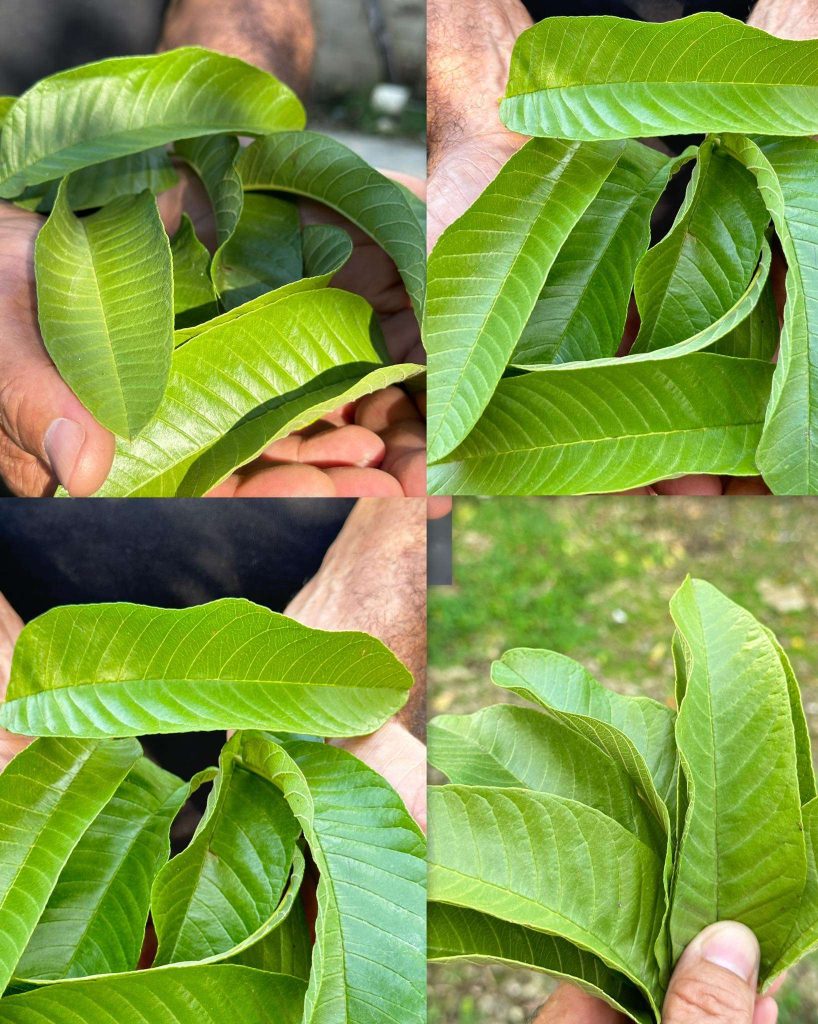
Guava leaves, from the Psidium guajava tree, are rich in powerful antioxidants like flavonoids, carotenoids, and polyphenols. They also contain essential anti-inflammatory and antimicrobial agents. For centuries, these leaves have been a cornerstone in traditional medicinal systems across Asia, Africa, and South America. Today, scientific research is beginning to validate what these cultures have long known: guava leaves are a versatile and effective natural remedy for a range of health concerns. 🍃
Digestive Health & Stomach Soother 🤢➡️😌
One of the most celebrated uses of guava leaves is for promoting digestive wellness. The leaves possess strong antimicrobial properties that can help combat harmful bacteria like Salmonella and E. coli, potentially reducing the risk of foodborne illnesses. More commonly, a warm tea made from the leaves is an excellent remedy for stomach upsets, diarrhea, and dysentery.
Practical Tip: To alleviate digestive distress, simply boil 5-6 fresh or dried guava leaves in a cup of water for 10 minutes. Strain and drink this tea once it cools to a warm, comfortable temperature. Its anti-spasmodic properties can help calm intestinal cramps and normalize bowel movements.
A Natural Ally in Blood Sugar Management 📉
Emerging research suggests guava leaf tea may play a beneficial role in managing type 2 diabetes and insulin resistance. Certain compounds in the leaves appear to inhibit the absorption of sucrose and maltose in the blood, leading to a more gradual rise in blood glucose levels after meals. While not a replacement for prescribed medication, it can be a valuable complementary dietary addition. Always consult with your healthcare provider before using it for this purpose. 🩺
Boosting Heart Health ❤️
Your cardiovascular system can also benefit from guava leaves. The leaves may help lower "bad" LDL cholesterol and triglycerides, thanks to their high antioxidant content that prevents the oxidation of cholesterol—a key step in the formation of arterial plaque. Furthermore, their mild hypotensive (blood pressure-lowering) effect and high potassium content contribute to overall heart health and improved circulation. 💓
Radiant Skin & Hair Care ✨
The anti-inflammatory and antimicrobial prowess of guava leaves extends to topical applications. A cooled leaf decoction can be used as a facial toner to combat acne, reduce redness, and tighten pores. For scalp health, massaging a steeped leaf rinse into the scalp may help reduce dandruff and strengthen hair follicles, potentially slowing hair loss. Its antioxidant activity also fights free radicals that contribute to premature skin aging. 🧴
Supporting Weight Loss Efforts ⚖️
For those on a weight management journey, guava leaf tea can be a helpful tool. It prevents complex carbohydrates from being converted into sugars, which can curb appetite and reduce sudden hunger pangs. Combining this tea with a balanced diet and regular exercise creates a more effective holistic approach to weight control. 🏃♂️
How to Use Guava Leaves: Practical Methods
Incorporating guava leaves into your life is simple. The most common method is as a tea:
- Tea: Use 5-7 dried leaves (or a handful of fresh, clean leaves) per cup of water. Boil for 10-15 minutes, strain, and enjoy. You can add honey, ginger, or lemon for flavor.
- Topical Application: Create a strong decoction by boiling a large handful of leaves in water for 20 minutes. Let it cool completely, then use it as a skin toner, hair rinse, or apply with a clean cloth to soothe minor skin irritations and wounds.
- Supplement Form: Guava leaf extract is also available in capsule or tincture form. Follow the manufacturer's or your doctor's dosage instructions precisely.
Important Considerations & Safety ⚠️
While generally safe for most people, it's crucial to practice moderation. Excessive consumption may lead to stomach irritation in some individuals. Pregnant and breastfeeding women should consult a physician before use. The most critical rule is to never use guava leaf remedies as a substitute for professional medical diagnosis or treatment for serious conditions. It is a complementary wellness aid, not a cure-all.
Conclusion: Embracing Nature's Leafy Gift
From soothing an upset stomach to supporting metabolic and cardiovascular health, guava leaves prove that powerful medicine often grows on trees. 🌳 This versatile leaf offers a natural, accessible way to enhance your well-being across multiple fronts. We've explored its benefits for digestion, blood sugar, heart function, skin, hair, and weight management, along with practical ways to use it.
We encourage you to explore the potential of guava leaves responsibly, starting with a simple cup of tea. Integrating this ancient remedy into a modern, healthy lifestyle can be a simple yet profound step toward holistic health. Remember, the journey to wellness is a combination of informed choices, natural support, and professional guidance. Here's to discovering the potent benefits hidden in nature's pharmacy! 🥂
Deja una respuesta