Benefits of Guava Leaves
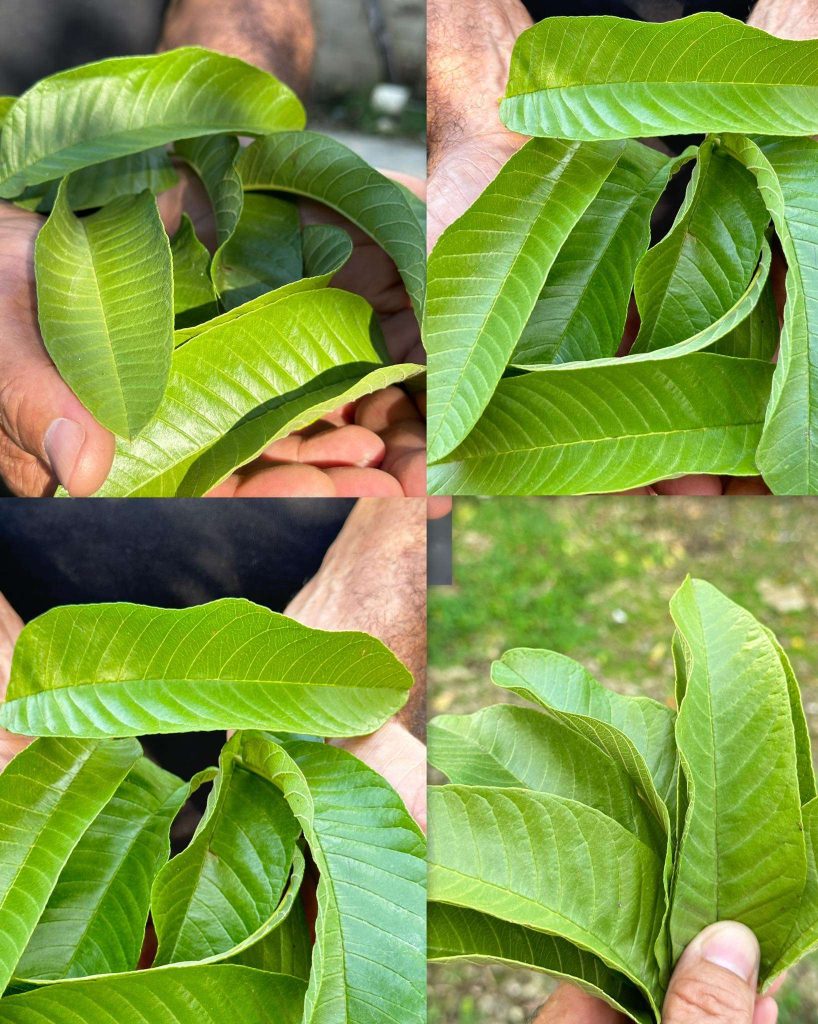
The Humble Powerhouse: Unveiling the Remarkable Benefits of Guava Leaves 🌿
 Espanol
Often overshadowed by its delicious fruit, the guava tree (Psidium guajava) holds a secret in its verdant foliage. For centuries, guava leaves have been a cornerstone of traditional medicine across various cultures, from Asia to Latin America. Today, modern science is beginning to validate what herbalists have long known: these leaves are a potent source of wellness. This article delves deep into the science-backed and traditional benefits of guava leaves, offering you a comprehensive guide to harnessing their power for your health. Let's explore why you should look beyond the fruit and pay attention to the leaves.
Espanol
Nutritional Profile: What Makes Guava Leaves So Special? 🔬
Guava leaves are packed with a formidable array of bioactive compounds. They are rich in powerful antioxidants like quercetin, flavonoids, and carotenoids, which combat oxidative stress in the body. They also contain significant anti-inflammatory agents, essential oils, and beneficial plant compounds like tannins. Furthermore, they offer a notable content of vitamins, particularly vitamin C, and minerals. This unique phytochemical composition is the foundation for their wide-ranging therapeutic effects, making them more than just simple leaves.
A Deep Dive into the Key Health Benefits 💚
The applications of guava leaves are impressively diverse. Here, we break down the most significant, research-supported benefits:
1. Blood Sugar Regulation: One of the most celebrated benefits is their positive effect on blood glucose levels. Compounds in the leaves inhibit certain enzymes that convert carbohydrates into sugar in the bloodstream, such as alpha-glucosidase. Regular consumption of guava leaf tea may help manage type 2 diabetes symptoms and improve insulin resistance. 🩸
2. Digestive Health Champion: Guava leaves possess strong antimicrobial and anti-inflammatory properties that can soothe the digestive tract. They are effective against common pathogens like Staphylococcus aureus and E. coli. Drinking the tea can alleviate symptoms of diarrhea, reduce abdominal pain, and even help treat gastric ulcers. It also acts as a gentle laxative for constipation. 🤢➡️😊
3. Heart Health Support: The leaves contribute to cardiovascular wellness in several ways. The antioxidants help protect the heart from oxidative damage, while the potassium helps regulate blood pressure. Some studies suggest that the leaf extract can help lower "bad" LDL cholesterol and triglycerides, reducing the risk of atherosclerosis. ❤️
4. Skin and Hair Elixir: Applied topically, guava leaf extract is a boon for beauty. Its antimicrobial and anti-inflammatory properties make it excellent for treating acne, wounds, and skin infections. It can also soothe itchy scalp conditions, reduce hair fall, and is sometimes used to prevent premature graying. The high antioxidant content fights signs of aging by protecting skin cells. ✨
5. Weight Management Aid: By preventing the rapid breakdown of complex carbohydrates into sugars, guava leaves can help curb cravings and prevent spikes in blood sugar that lead to fat storage. This makes guava leaf tea a valuable, non-stimulating addition to a balanced diet and exercise regimen for weight management. ⚖️
6. Immune System Boost & Oral Health: The vitamin C and immune-boosting compounds fortify the body's natural defenses. Furthermore, due to their potent anti-inflammatory and antibacterial qualities, a mouth rinse made from guava leaves is fantastic for treating gum inflammation (gingivitis), mouth ulcers, and sore throats. 🦷
Practical Guide: How to Use Guava Leaves 🍵
Incorporating guava leaves into your routine is simple and cost-effective. The most common method is by preparing a tea. Always ensure the leaves are clean, and if possible, use organic leaves to avoid pesticide residue.
To make guava leaf tea: Rinse 5-10 fresh leaves (or 1 tablespoon of dried leaves). Gently crush them to release the compounds. Boil them in about one liter of water for 10-15 minutes. Strain the liquid and enjoy. You can drink it warm or cold, and add honey or lemon for flavor. Start with one cup per day to assess tolerance.
For topical use, you can create a decoction (stronger tea) and apply it to the skin or scalp with a cotton ball, or use it as a final hair rinse after shampooing.
Important Precautions and Final Thoughts ⚠️
While guava leaves are generally safe for most people, it's crucial to exercise caution. If you are pregnant, breastfeeding, have a scheduled surgery, or are on medication (especially for diabetes or blood thinners), consult your healthcare provider before regular use. The leaves can potentiate the effects of diabetes medication, leading to hypoglycemia. As with any herbal remedy, moderation is key.
In conclusion, the guava leaf stands as a testament to nature's pharmacy. From regulating blood sugar and aiding digestion to enhancing skin health and supporting the heart, its benefits are both profound and practical. By integrating a simple cup of guava leaf tea into your wellness routine, you are tapping into an ancient, natural source of healing. We encourage you to explore this humble remedy—your body might just thank you for it. 🌱
Deja una respuesta