Benefits of Guava Leaves
 Espanol
Espanol
Unlocking Nature's Pharmacy: The Remarkable Benefits of Guava Leaves 🌿
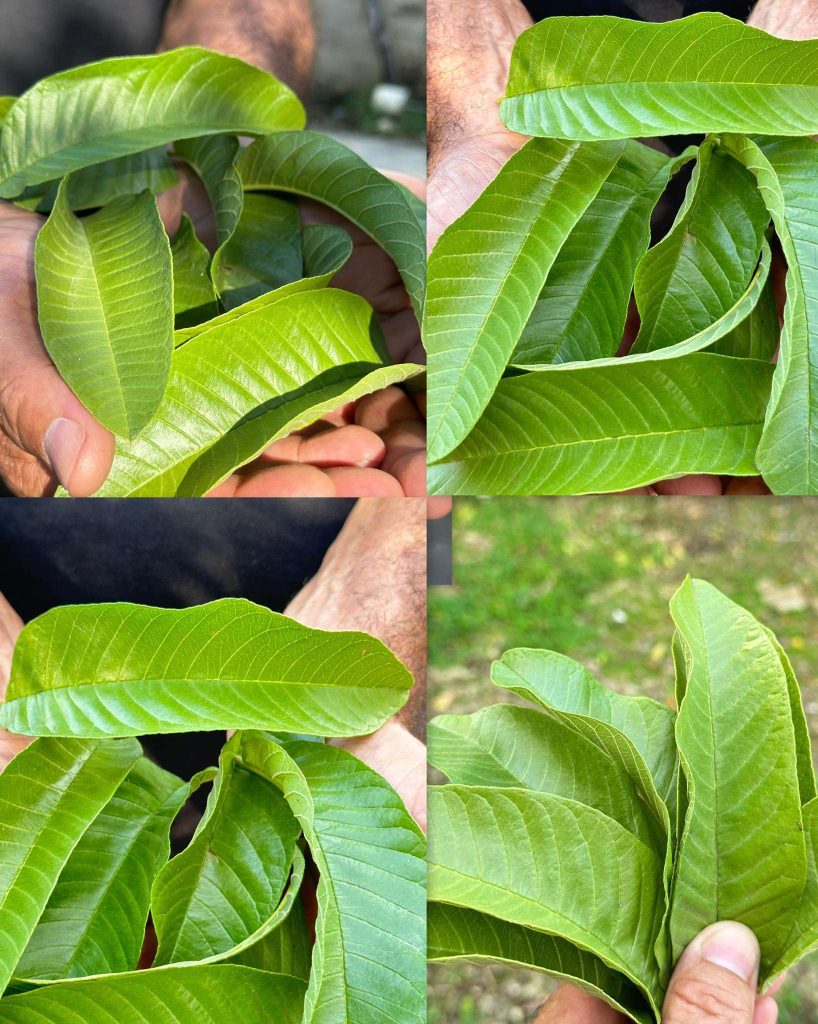
Often overshadowed by its sweet, pink-fleshed fruit, the humble guava leaf is a powerhouse of wellness waiting to be discovered. While many enjoy the guava for its taste, its leaves have been a cornerstone of traditional medicine across various cultures for centuries, offering a treasure trove of health benefits backed by growing scientific interest. This article delves deep into the practical, evidence-supported advantages of incorporating guava leaves into your wellness routine, moving beyond superficial claims to provide you with actionable, valuable knowledge. Let's explore how this readily available leaf can contribute to a healthier, more balanced life.
Digestive Health and Stomach Soother 🤢➡️😌
Guava leaves are celebrated for their potent gastroprotective properties. They contain compounds with strong antibacterial and anti-inflammatory effects that can help combat common digestive woes. For issues like bacterial gastroenteritis or food poisoning, guava leaf tea can inhibit the growth of harmful bacteria like Staphylococcus aureus. Furthermore, the leaves are rich in fiber and tannins, which can help reduce symptoms of diarrhea and stomach cramps by calming the intestinal lining. A simple cup of guava leaf tea after a heavy meal can promote smoother digestion and alleviate discomfort.
A Natural Ally in Blood Sugar Management 🩸📉
This is one of the most researched and promising benefits. Studies indicate that guava leaf extract can help improve insulin resistance and lower blood sugar levels. The leaves contain quercetin and other flavonoids that inhibit certain enzymes responsible for converting carbohydrates into glucose in the bloodstream, leading to a more gradual sugar absorption. For those managing prediabetes or type 2 diabetes, consuming guava leaf tea (without sugar, of course) may be a beneficial complementary practice. Always consult with your healthcare provider before making any changes to your diabetes management plan.
Radiant Skin and Anti-Aging Properties ✨🧴
Your skin can reap significant rewards from both internal consumption and topical application of guava leaves. Packed with antioxidants like Vitamin C and flavonoids, they fight free radicals that cause oxidative stress, a primary driver of wrinkles and sagging skin. The leaves also possess antiseptic and anti-inflammatory qualities that make them excellent for treating acne, redness, and skin irritation. You can create a simple face toner by boiling leaves, cooling the water, and applying it with a cotton pad. The astringent properties can help tighten pores and improve skin texture.
Weight Management Support ⚖️🔥
While not a magic bullet, guava leaves can support weight management efforts. The key mechanism lies in their ability to prevent the conversion of complex carbohydrates into usable sugars. When sugars aren't absorbed, the body turns to burning stored fat for energy. Additionally, the tea is virtually calorie-free and can serve as a satisfying, flavorful alternative to sugary beverages. Drinking it regularly, alongside a balanced diet and exercise, may help curb cravings and support a healthy metabolism.
Potent Anti-Inflammatory and Pain Relief 🌡️😌
The anti-inflammatory compounds in guava leaves, such as quercetin, make them effective for reducing various types of pain and inflammation. This includes relieving menstrual cramps (dysmenorrhea), arthritis pain, and general joint inflammation. Drinking the tea can provide systemic relief, while a poultice made from crushed leaves can be applied topically to swollen or painful areas. This natural approach offers an alternative for those seeking to reduce reliance on over-the-counter anti-inflammatory drugs for minor aches.
Oral Health Guardian 🦷😁
Say goodbye to toothaches and gum problems. Guava leaves have strong antimicrobial and analgesic (pain-relieving) properties that target oral pathogens. Chewing on clean, tender leaves or using a mouth rinse made from guava leaf decoction can help combat plaque, reduce gum inflammation (gingivitis), soothe toothache pain, and freshen breath. It's a time-tested, natural remedy for maintaining a healthy oral microbiome.
How to Prepare and Use Guava Leaves: A Practical Guide 🍵
To harness these benefits, knowing how to prepare guava leaves correctly is crucial. The most common method is making an infusion or tea.
For Guava Leaf Tea:
1. Rinse 5-10 fresh, organic guava leaves thoroughly (or use 1 tablespoon of dried leaves).
2. Bring 2-3 cups of water to a boil.
3. Add the leaves, reduce heat, and simmer for 10-15 minutes to extract the active compounds fully.
4. Strain the liquid and enjoy. You can drink it warm or cold. The taste is earthy and mildly bitter; a dash of lemon or a cinnamon stick can enhance the flavor without adding sugar.
Important Note: Start with one cup per day to see how your body reacts. While generally safe, moderation is key. Pregnant or breastfeeding women and individuals on medication should consult a doctor before regular consumption.
Conclusion: A Leaf Worth Embracing 🌿
From stabilizing blood sugar and aiding digestion to enhancing skin vitality and providing natural pain relief, guava leaves prove that sometimes the most powerful remedies are found in nature's simplest packages. This article has outlined a comprehensive view of their multifaceted benefits, supported by both tradition and emerging science. We encourage you to integrate this knowledge practically, perhaps by starting with a daily cup of guava leaf tea as part of a holistic approach to health. Remember, natural supplements work best in conjunction with a balanced lifestyle. Explore the potential of guava leaves—your journey toward a more natural and informed wellness regimen starts with a single leaf.
Deja una respuesta