Benefits of Guava Leaves
 Espanol
Espanol
Introduction: Unlocking the Power of a Common Leaf
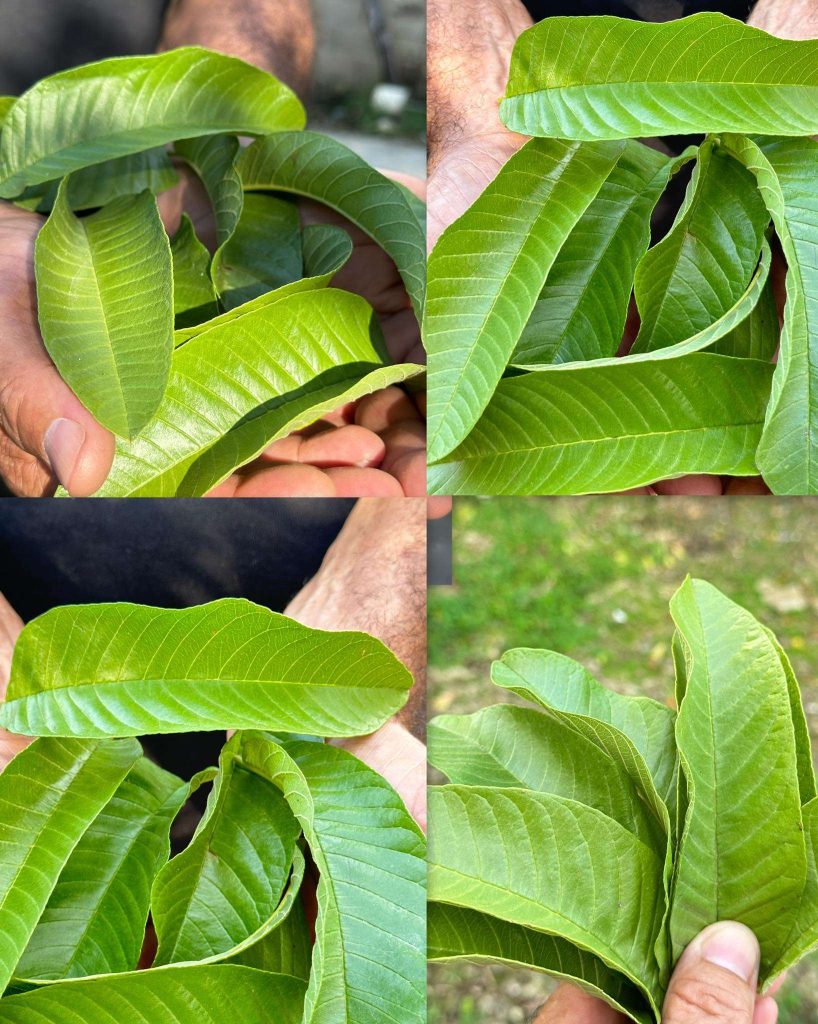
When we think of the guava tree, our minds often jump directly to its delicious and vitamin C-rich fruit. 🍈 However, a profound secret to wellness lies not just in the fruit but in its often-overlooked foliage. Guava leaves are a powerhouse of bioactive compounds, offering a remarkable range of health benefits that have been utilized in traditional medicine for centuries. This article will delve deep into the science and practical applications of guava leaves, transforming the way you view this humble plant. From managing blood sugar to enhancing skin health, we will explore how these leaves can become a valuable addition to your natural wellness toolkit.
Nutritional and Medicinal Profile of Guava Leaves
Guava leaves are packed with potent antioxidants, anti-inflammatory agents, and antimicrobial compounds. Key among these are quercetin, flavonoids, and tannins, which contribute to most of their therapeutic effects. 🌱 They are also a rich source of vitamins, particularly vitamin C, and minerals like magnesium and potassium. This unique phytochemical composition is what grants guava leaves their wide-ranging health properties, making them more than just simple tree foliage but a legitimate functional food and herbal remedy.
Key Health Benefits Explored
Let's break down the most significant, evidence-backed benefits of incorporating guava leaves into your health regimen.
Blood Sugar Regulation and Diabetes Support
One of the most celebrated benefits of guava leaves is their potential to help regulate blood glucose levels. Compounds in the leaves inhibit the absorption of certain types of sugars in the blood, such as maltose and sucrose. Drinking guava leaf tea after meals may help prevent blood sugar spikes. 🩸 Several studies suggest that regular consumption can improve insulin resistance and lower blood sugar levels in people with type 2 diabetes, making it a valuable complementary approach under medical guidance.
Digestive Health and Relief from Discomfort
Guava leaves have strong antimicrobial and anti-inflammatory properties that can soothe the digestive tract. They are particularly effective against common culprits of foodborne illness, like Staphylococcus aureus and E. coli. For issues like diarrhea, stomach aches, or food poisoning, a cup of guava leaf tea can provide significant relief. 💊 Their antispasmodic quality also helps reduce abdominal cramping and bloating, promoting overall digestive comfort and health.
Heart Health and Cholesterol Management
The antioxidants in guava leaves play a crucial role in protecting the heart. They help prevent the oxidation of LDL ("bad") cholesterol, a key factor in the formation of arterial plaque. Furthermore, the leaves' potassium content supports healthy blood pressure levels. 🫀 Regular consumption of guava leaf extract or tea may contribute to improved lipid profiles and reduced risk of cardiovascular diseases, offering a simple, natural support for long-term heart health.
Skin and Hair Wellness
The antimicrobial and anti-inflammatory benefits extend topically as well. A paste made from crushed guava leaves can be applied to treat acne, reduce redness, and speed up the healing of minor wounds and insect bites. 🧴 For hair care, boiling guava leaves into a rinse can strengthen hair follicles, combat dandruff, and may even help prevent hair loss by improving scalp circulation. This makes guava leaves a versatile, chemical-free addition to your beauty routine.
Weight Management Aid
Guava leaves can support weight management efforts. They help prevent complex carbohydrates from being converted into sugars, which the body can then store as fat. 🏃♀️ By modulating sugar absorption, guava leaf tea can be a helpful companion to a balanced diet and exercise plan, assisting in maintaining a healthy metabolism and potentially reducing cravings.
How to Use Guava Leaves: Practical Tips and Methods
Incorporating guava leaves into your life is straightforward. Here are the most common and effective methods:
- Guava Leaf Tea: The most popular method. Steep 5-10 fresh or dried leaves in hot water for 5-10 minutes. Strain and enjoy. You can add honey or lemon for flavor. ☕
- Topical Application: For skin issues, crush fresh leaves into a paste with a little water and apply directly to the affected area. For a hair rinse, boil a handful of leaves in water for 20 minutes, cool, and use after shampooing.
- Extract and Supplements: Concentrated guava leaf extract is available in supplement form (capsules or tinctures). Always consult with a healthcare professional before starting any new supplement regimen, especially if you have underlying health conditions or are on medication. 💊
Important Precautions and Considerations
While generally safe for most people, it is crucial to exercise caution. Guava leaves may have a blood-thinning effect, so individuals scheduled for surgery or on anticoagulant medication should avoid them. 🤚 Pregnant and breastfeeding women should consult their doctor before use. As with any natural remedy, moderation is key, and it should not replace prescribed medical treatments without professional advice. Start with small amounts to see how your body reacts.
Conclusion: Embracing a Natural Ally for Holistic Health
In summary, guava leaves are far more than just garden waste; they are a versatile, accessible, and potent natural remedy. From providing robust support for metabolic and heart health to offering solutions for common skin and digestive complaints, their benefits are vast and impressive. 🌟 By learning to harness the power of guava leaves through simple preparations like tea or topical pastes, you can tap into an ancient, yet scientifically relevant, source of wellness. We encourage you to explore this natural option thoughtfully and integrate it into a balanced lifestyle for a holistic approach to health. Your journey to discovering nature's hidden treasures starts with a single leaf. 🍃
Deja una respuesta