Benefits of Guava Leaves
 Espanol
Espanol
Espanol
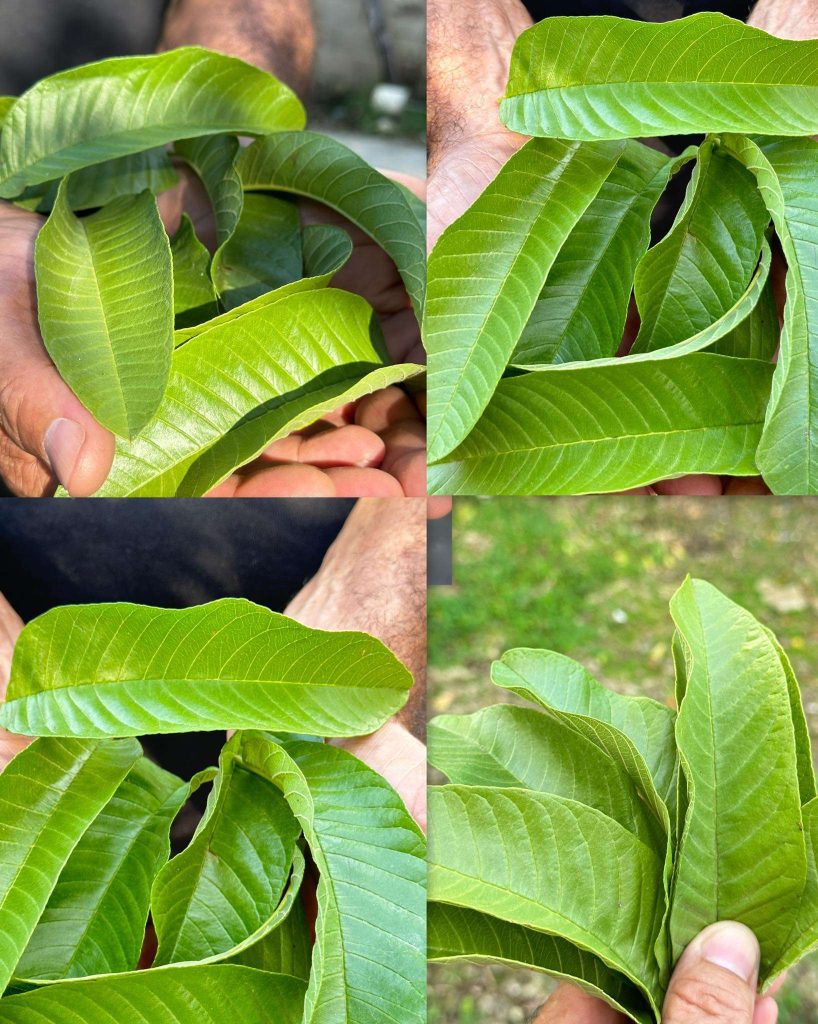
Often overlooked in favor of the sweet, fragrant fruit they produce, guava leaves are a hidden gem in the world of natural wellness. 🌿 While the guava fruit rightfully gets praise for its vitamin C content, the leaves possess a remarkable concentration of beneficial compounds like flavonoids, tannins, and essential oils. This article delves into the science-backed benefits of guava leaves, transforming them from simple foliage into a powerful, accessible tool for supporting your health. We'll explore their practical uses and show you how to easily incorporate them into your daily routine.
Beyond the Fruit: Unveiling the Power of Guava Leaves
For centuries, guava leaves (Psidium guajava) have been a staple in traditional medicine across tropical regions. Modern science is now catching up, validating many of these ancient uses. The secret lies in their rich phytochemical profile, which offers antioxidant, anti-inflammatory, and antimicrobial properties. Unlike the fruit, the leaves are low in sugar and calories, making their benefits concentrated and versatile. Let's unpack the key areas where guava leaf tea or extract can make a significant difference.
Blood Sugar Management & Metabolic Health 🩺
One of the most researched benefits of guava leaves is their positive effect on blood glucose levels. Compounds in the leaves inhibit certain enzymes that convert carbohydrates into sugar in the bloodstream, such as alpha-glucosidase. This action can help prevent sharp spikes in blood sugar after meals. Drinking guava leaf tea after meals may be a helpful supportive practice for maintaining healthy blood sugar levels. Some studies also suggest improvements in insulin resistance, which is crucial for long-term metabolic health.
A Soothing Aid for Digestive Troubles 🤢
If you suffer from occasional stomach upsets, diarrhea, or indigestion, guava leaf tea could be a gentle, effective remedy. The leaves have strong antimicrobial properties that can help combat harmful gut bacteria like Salmonella and E. coli, while their anti-inflammatory qualities soothe the intestinal lining. Furthermore, the tannins present have an astringent effect, which can reduce the symptoms of diarrhea. For a quick digestive reset, a warm cup of guava leaf tea is an excellent first step.
Boosting Heart Health and Circulation ❤️
Your cardiovascular system can also benefit from guava leaves. The antioxidants help protect LDL cholesterol from oxidation—a key step in the formation of artery plaque. The leaves may also help lower "bad" LDL cholesterol and triglycerides while supporting "good" HDL cholesterol levels. Additionally, their mild hypotensive effect can contribute to maintaining healthy blood pressure. Supporting heart health is a long-term endeavor, and adding guava leaf tea can be a simple, supportive habit.
Enhancing Skin, Hair, and Oral Health ✨
The benefits aren't just internal. Crushed guava leaves applied topically can accelerate wound healing and treat acne thanks to their antibacterial and anti-inflammatory power. A rinse made from steeped leaves can strengthen gums, heal mouth ulcers, and combat bad breath due to its antimicrobial action. For hair, boiling the leaves into a cooling rinse may help combat dandruff and prevent hair loss by strengthening the follicles and improving scalp health.
Immune Support and Antioxidant Power 🛡️
Packed with vitamin C and potent flavonoids like quercetin, guava leaves are fantastic for reinforcing your immune system. These antioxidants neutralize harmful free radicals, reducing oxidative stress and cellular damage throughout the body. This not only helps fend off common illnesses but also contributes to slowing down the aging process and reducing chronic inflammation. Making guava leaf tea a regular part of your diet is a proactive way to build your body's natural defenses.
How to Use Guava Leaves: Practical Tips
To harness these benefits, the most common method is to prepare a tea.
- 🫖 For Tea: Wash 5-10 fresh, organic leaves (or use 1 tablespoon of dried leaves). Boil them in 1 liter of water for about 10 minutes. Strain and enjoy warm or cold. You can add honey or lemon for taste.
- 🌿 Topical Use: For skin or hair, create a more concentrated decoction by boiling a handful of leaves in less water. Let it cool before applying.
- ⚠️ Important: While generally safe, start with small amounts to see how your body reacts. Consult your doctor before use if you are pregnant, nursing, on medication (especially for diabetes or blood pressure), or have a scheduled surgery.
Conclusion: A Simple Leaf with Profound Benefits
In summary, guava leaves are far more than just tree accessories. From supporting stable blood sugar and soothing digestion to promoting radiant skin and a stronger heart, their range of applications is impressive. 🍃 By incorporating guava leaf tea into your wellness regimen, you're tapping into an ancient, natural pharmacy that is both effective and gentle. We encourage you to try this readily available remedy and experience its multifaceted benefits firsthand. Start with a cup today and take a simple, natural step towards enhanced well-being!
Deja una respuesta