Benefits of Guava Leaves
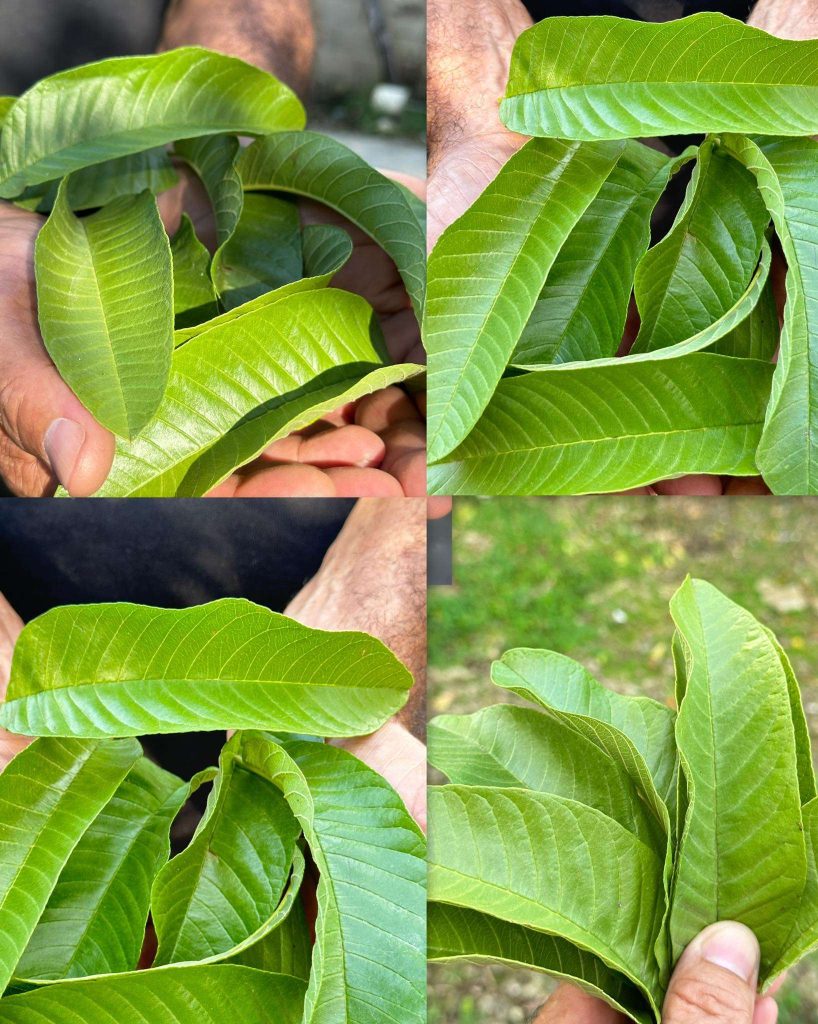
Unlocking Nature's Pharmacy: The Surprising Benefits of Guava Leaves 🍃
 Espanol
Often overshadowed by its sweet, pink-fleshed fruit, the humble guava tree (Psidium guajava) holds a secret in its vibrant green foliage. For centuries, guava leaves have been a cornerstone of traditional medicine across tropical regions, from South America to Asia. Today, modern science is beginning to validate what these ancient practices have long known: these leaves are a powerhouse of bioactive compounds. This article delves deep into the remarkable health and wellness benefits of guava leaves, moving beyond superficial claims to provide you with practical, evidence-backed knowledge. Let's explore how this readily available natural resource can contribute to a healthier lifestyle.
Espanol
A Treasure Trove of Nutrients and Compounds 🔬
Guava leaves are rich in powerful antioxidants like vitamin C, flavonoids (particularly quercetin), and carotenoids. They also contain essential anti-inflammatory and antimicrobial compounds, such as tannins, saponins, and eugenol. This potent combination is responsible for their wide-ranging therapeutic effects, from fighting free radical damage to inhibiting the growth of harmful bacteria and viruses. The high concentration of potassium and fiber further enhances their health-promoting profile, making them more than just a simple leaf.
Key Health Benefits Explored
🌿 Digestive Health Champion: Guava leaf tea is renowned for soothing gastrointestinal discomfort. Its anti-microbial properties can help combat bacterial infections like E. coli and Staphylococcus aureus, which are common culprits of food poisoning. The leaves also contain compounds that may reduce intestinal spasms and inhibit excessive fluid secretion, providing relief from diarrhea. For a practical tip, steep a handful of washed leaves in hot water for 5-7 minutes and drink the warm tea after meals to aid digestion and calm an upset stomach.
🩸 Blood Sugar Management Support: Several studies indicate that guava leaf extract can help improve insulin sensitivity and lower blood sugar levels. The flavonoids inhibit the enzymes that convert carbohydrates into glucose in the bloodstream, leading to a more gradual sugar absorption. While not a replacement for prescribed medication, incorporating unsweetened guava leaf tea can be a supportive dietary measure for those managing type 2 diabetes or prediabetes, under medical supervision.
💖 Heart Health Ally: The synergy of potassium, soluble fiber, and antioxidants in guava leaves contributes to cardiovascular wellness. Potassium helps regulate blood pressure by counteracting the effects of sodium. The fiber aids in managing "bad" LDL cholesterol levels, while antioxidants prevent the oxidation of cholesterol—a key step in plaque formation in arteries. This trifecta supports healthier blood pressure and circulation.
Beauty and Topical Applications ✨
🧴 For Radiant Skin: The anti-inflammatory and antimicrobial properties make guava leaves excellent for treating acne and skin irritation. You can create a simple, effective face toner by boiling leaves in water, letting the infusion cool, and applying it to the skin with a cotton pad. The antioxidants also combat oxidative stress, which can slow signs of aging. For an acne spot treatment, mash fresh leaves into a paste with a little water and apply directly to blemishes.
💆♀️ Hair Growth and Scalp Health: Struggling with hair loss or a dry, flaky scalp? Guava leaf rinse might be the answer. Boil a large handful of leaves in a liter of water for about 20 minutes, strain, and let it cool. Use this as a final rinse after shampooing. The nutrients help strengthen hair follicles, reduce breakage, and soothe scalp inflammation associated with dandruff, thanks to its antifungal properties.
Practical Ways to Incorporate Guava Leaves into Your Routine
To harness these benefits, here are the most common and effective methods:
- Herbal Tea (Infusion): The simplest method. Use 3-5 fresh or dried leaves per cup of hot water. Steep for 5-10 minutes. Add a dash of lemon or honey for flavor, but avoid sugar to maintain its health benefits.
- Topical Paste or Wash: As mentioned, crush fresh leaves for skin/hair applications or use the cooled decoction as a wash.
- Supplemental Extract: Concentrated extracts are available in capsule or tincture form. Always consult with a healthcare professional before starting any new supplement regimen, especially if you have underlying health conditions or are taking medications.
⚠️ Important Safety Note: Guava leaves are generally safe for most people when consumed in dietary amounts. However, due to their potential blood-sugar-lowering effects, individuals with hypoglycemia or those scheduled for surgery should use them cautiously. Pregnant and breastfeeding women should consult their doctor first.
Conclusion: Embracing a Leaf of Great Value 🌟
From supporting metabolic and digestive health to enhancing natural beauty routines, guava leaves offer an impressive array of benefits rooted in both tradition and emerging science. They stand as a testament to the idea that sometimes the most powerful remedies are found not in the fruit, but in the foliage. By incorporating guava leaf tea into your wellness ritual or using it as a natural topical treatment, you are tapping into a safe, accessible, and multi-purpose resource. We encourage you to explore its potential mindfully, starting with a simple cup of tea, and experience the nurturing power of this often-overlooked part of the guava tree. Your journey to holistic well-being might just begin with a single leaf.
Deja una respuesta