Benefits of Guava Leaves
 Espanol
Espanol
Espanol
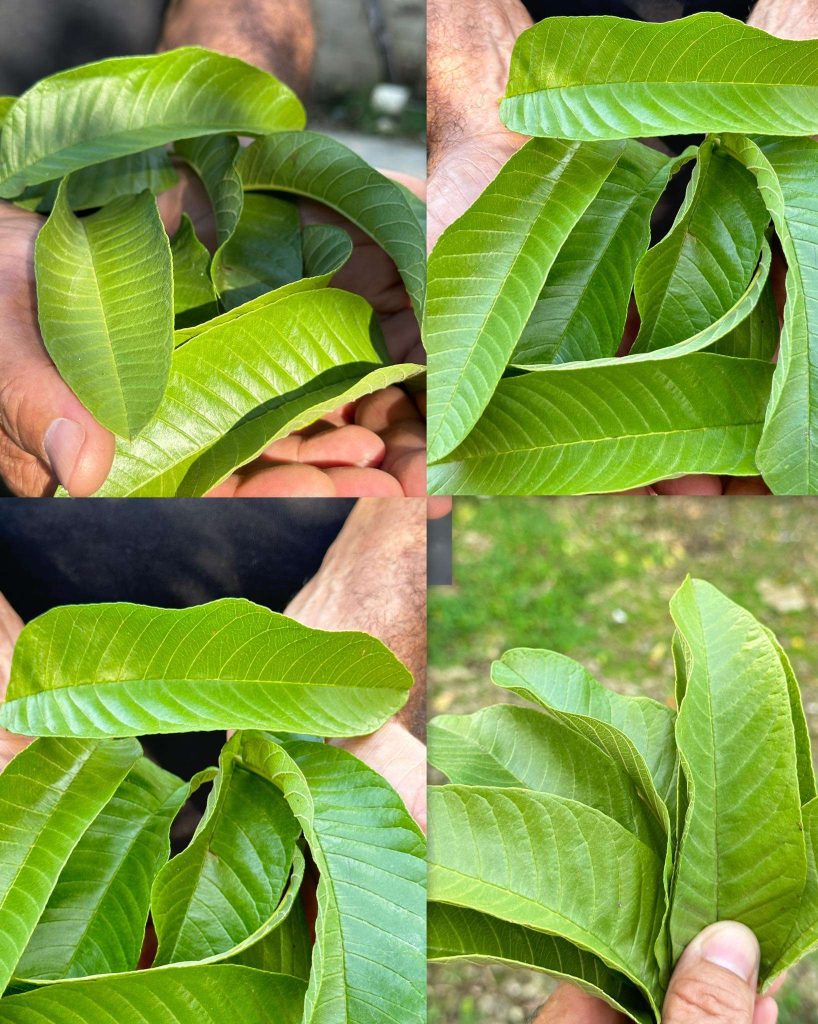
Often overshadowed by its sweet, pink-fleshed fruit, the humble guava tree (Psidium guajava) holds a secret powerhouse in its leaves 🍃. For centuries, these leaves have been a cornerstone in traditional medicine across tropical regions, and modern science is now catching up to validate their impressive health-promoting properties. This article delves deep into the multifaceted benefits of guava leaves, offering you a comprehensive guide to harnessing their potential for improved wellness, with practical tips on how to incorporate them into your routine.
Unlocking the Nutritional Powerhouse 🌿
Guava leaves are a rich repository of bioactive compounds, including powerful antioxidants like quercetin, flavonoids, and vitamin C. They also contain essential oils and compounds with antimicrobial and anti-inflammatory properties. This potent blend is what grants guava leaves their wide-ranging therapeutic effects, acting as a natural remedy for various ailments and a booster for overall health.
Top Medicinal & Health Benefits of Guava Leaves
Let's explore the specific, science-backed advantages of integrating guava leaves into your health regimen.
Blood Sugar Regulation 🩸: One of the most celebrated benefits is their positive effect on blood glucose levels. Compounds in the leaves inhibit the absorption of certain types of sugars in the blood, such as maltose and sucrose. Drinking guava leaf tea after meals may help prevent blood sugar spikes, making it a valuable supportive tool for individuals managing diabetes or insulin resistance.
Heart Health Guardian ❤️: The leaves contribute to cardiovascular wellness in two key ways. The high potassium content helps regulate blood pressure by counteracting the effects of sodium. Furthermore, the antioxidants help reduce "bad" LDL cholesterol oxidation and prevent the hardening of arteries (atherosclerosis), thereby supporting healthy blood flow and reducing heart disease risk.
Digestive System Soother 🤢: Guava leaves have strong antibacterial properties that can help combat harmful gut bacteria like Salmonella and E. coli, potentially reducing foodborne illness severity. Their anti-inflammatory nature also soothes the stomach lining, alleviates gastric ulcers, and can relieve symptoms of diarrhea and indigestion. For an upset stomach, a warm cup of guava leaf tea is a time-tested natural remedy.
Immunity Booster & Anti-Cancer Potential 🛡️: The high concentration of vitamin C and flavonoids supercharges the immune system, enhancing the body's natural defense mechanisms. Research also indicates that the antioxidant lycopene and quercetin in the leaves may have a role in inhibiting the growth of various cancer cells, particularly those of the prostate, breast, and oral cancers, though more human studies are needed.
Beauty and Practical Wellness Uses ✨
The benefits extend beyond internal health to skincare and haircare, offering a natural, cost-effective alternative.
Skin Clarifier and Anti-Aging Agent: The antimicrobial and anti-inflammatory properties make guava leaf extract excellent for treating acne and reducing redness. Boil leaves, let the water cool, and use it as a facial toner. The antioxidants also fight free radicals that cause wrinkles and sagging, promoting firmer, younger-looking skin.
Hair Loss Prevention and Scalp Health: Rich in nutrients that strengthen hair follicles, guava leaves can help combat hair fall. Massaging a cooled decoction of guava leaves onto the scalp can also treat dandruff and scalp irritation, leaving hair stronger and healthier.
Oral Health Ally 😁: Chewing on fresh, clean guava leaves or using a mouthwash made from their infusion can alleviate toothache, heal mouth ulcers, and fight gum inflammation due to their analgesic and antibacterial qualities.
How to Prepare and Use Guava Leaves: A Practical Guide
To safely reap the benefits, follow these simple preparation methods. Always ensure the leaves are organic and thoroughly washed.
Guava Leaf Tea (The Most Common Method):
- Wash 5-10 fresh leaves (or use 1 tablespoon of dried leaves).
- Boil them in 1-2 cups of water for about 10 minutes.
- Strain the liquid and let it cool slightly.
- You can drink it warm or cold. Add a teaspoon of honey or a dash of lemon for flavor, if desired. Consume 1-2 cups daily, preferably after meals for digestive and blood sugar benefits.
Topical Applications: For skin or hair, create a more concentrated decoction by boiling a larger handful of leaves in water for 15-20 minutes. Let it cool completely before applying directly to the skin or scalp with a cotton pad or through a gentle massage.
Important Precautions and Final Thoughts
While guava leaves are generally safe for most people, it's crucial to practice moderation. If you are pregnant, breastfeeding, on medication (especially for diabetes or blood thinners), or have a scheduled surgery, consult your healthcare provider before regular consumption. Start with small amounts to see how your body reacts.
In conclusion, the guava tree offers us far more than just its delicious fruit. Its leaves are a versatile, natural treasury of health benefits, from regulating blood sugar and protecting the heart to enhancing skin beauty and oral hygiene. By understanding and utilizing guava leaves in the form of tea or topical treatments, you can tap into an ancient, holistic wisdom that complements modern wellness practices. Embrace this natural gift, incorporate it wisely into your lifestyle, and take a proactive step towards nurturing your health from the inside out 🌱.
Deja una respuesta