Benefits of Guava Leaves
 Espanol
Espanol
Unlock the Power of Nature: The Remarkable Benefits of Guava Leaves 🍃
Often overshadowed by its sweet, pink-fleshed fruit, the humble guava leaf is a powerhouse of wellness waiting to be discovered. 🌿 For centuries, traditional medicine has harnessed its potent properties, and modern science is now catching up, validating what many cultures have long known. This article delves deep into the impressive health and practical benefits of guava leaves, moving beyond superficial claims to provide you with a comprehensive, actionable guide. Whether you're seeking natural remedies or simply curious about botanical wonders, you're about to learn why these verdant leaves deserve a prime spot in your wellness toolkit.
Nutritional Profile: A Closer Look at the Leaf's Potency
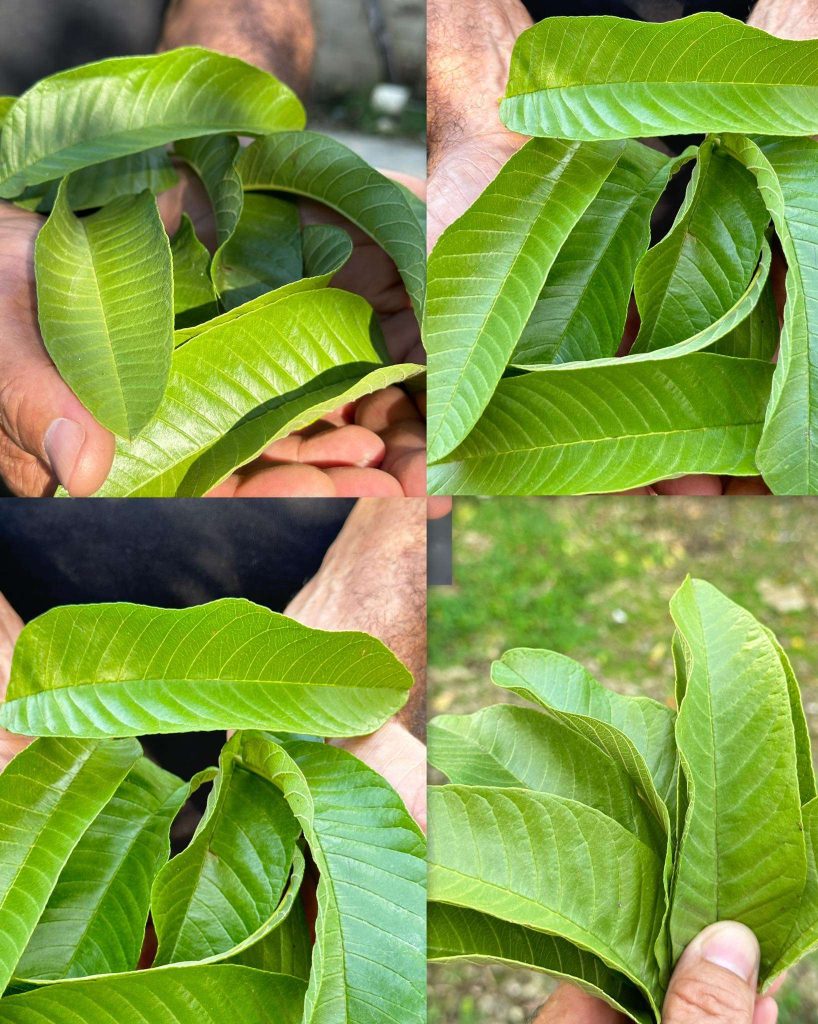
Guava leaves (Psidium guajava) are not mere foliage; they are densely packed with bioactive compounds. They are exceptionally rich in antioxidants like quercetin, flavonoids, and carotenoids, which combat oxidative stress and cellular damage. Furthermore, they contain potent anti-inflammatory agents, essential vitamins (notably Vitamin C and B-group vitamins), and minerals such as iron, potassium, and zinc. This unique composition is the foundation for their wide-ranging therapeutic effects, offering a natural, holistic approach to health.
Key Health Benefits Explored
Let's explore the specific, evidence-backed advantages of incorporating guava leaves into your routine.
Blood Sugar Regulation: 🩸 One of the most celebrated benefits is their positive impact on blood sugar levels. Compounds in the leaves inhibit the absorption of sucrose and maltose, helping to manage post-meal glucose spikes. Drinking guava leaf tea after meals is a practical habit supported by several studies for aiding in diabetes management and insulin sensitivity.
Digestive Health Champion: 🤢 From soothing upset stomachs to combating foodborne pathogens, guava leaves are a friend to your gut. Their antimicrobial properties can help manage diarrhea and gastroenteritis, while their anti-inflammatory nature soases symptoms of irritable bowel syndrome (IBS). For a quick digestive aid, a warm cup of guava leaf tea can provide relief from bloating and discomfort.
Heart Health Support: ❤️ The trio of hypolipidemic (lowering bad cholesterol), hypotensive (lowering blood pressure), and antioxidant effects in guava leaves contributes significantly to cardiovascular wellness. They help reduce LDL cholesterol and triglycerides while preventing the oxidation of cholesterol—a key step in plaque formation in arteries.
Skin and Hair Revitalization: ✨ Applied topically, a cooled guava leaf decoction or paste works wonders. Its antimicrobial and anti-inflammatory properties make it effective against acne, eczema, and skin itching. For hair, it tackles scalp issues like dandruff and can even be used as a natural rinse to strengthen hair follicles, potentially reducing hair loss and promoting shine.
Immunity Boost and Anti-Cold Properties: 🛡️🧴 The high vitamin C content, though less than in the fruit, coupled with its antimicrobial strength, makes it an excellent ally during cold and flu season. Gargling with guava leaf tea can soothe a sore throat, while drinking it can help reduce cough and fight infection from within.
Practical Applications: How to Use Guava Leaves
Knowledge is power, but application is key. Here’s how you can harness these benefits practically and safely.
1. Guava Leaf Tea (The Standard Brew): 🫖 This is the most common and effective method for internal benefits.
- Wash 5-10 fresh, organic leaves thoroughly (or use 1 tbsp of dried leaves).
- Boil them in 1 liter of water for about 10 minutes.
- Strain and enjoy warm. You can add a dash of honey or lemon for flavor.
- For optimal digestive benefits, consume one cup after main meals.
2. Topical Treatments: For skin and hair, create a concentrated decoction by boiling a handful of leaves in a smaller amount of water (about 2 cups) for 15-20 minutes. Let it cool completely, then use it as a facial toner, a soak for affected skin, or a final hair rinse after shampooing.
3. Culinary Uses: While less common, young, tender guava leaves can be blended into smoothies or juices for a nutrient boost without altering the taste significantly.
Important Considerations and Precautions
While generally safe for most people, moderation and awareness are crucial. If you are pregnant, breastfeeding, or on medication (especially for diabetes or blood thinning), consult your healthcare provider before regular consumption. Start with small amounts to see how your body reacts. As with any natural remedy, it is a supplement to, not a replacement for, professional medical advice and treatment for serious conditions.
Conclusion: Embracing a Leaf of Life
From stabilizing blood sugar to enhancing skin radiance and fortifying heart health, the benefits of guava leaves are both profound and practical. 🍃 This versatile natural remedy offers a testament to the healing intelligence found in plants. We've moved beyond the surface to explore the scientific rationale and provided clear, actionable methods for use. By integrating guava leaf tea into your wellness routine or using it topically, you are tapping into an ancient, yet scientifically relevant, source of vitality. Begin your journey by sourcing some quality dried leaves or picking fresh ones from an uncontaminated tree, brew your first cup of tea, and experience the gentle, empowering benefits of this often-overlooked botanical gem. Your body—and your taste buds—might just thank you.
Deja una respuesta