Benefits of Guava Leaves
 Espanol
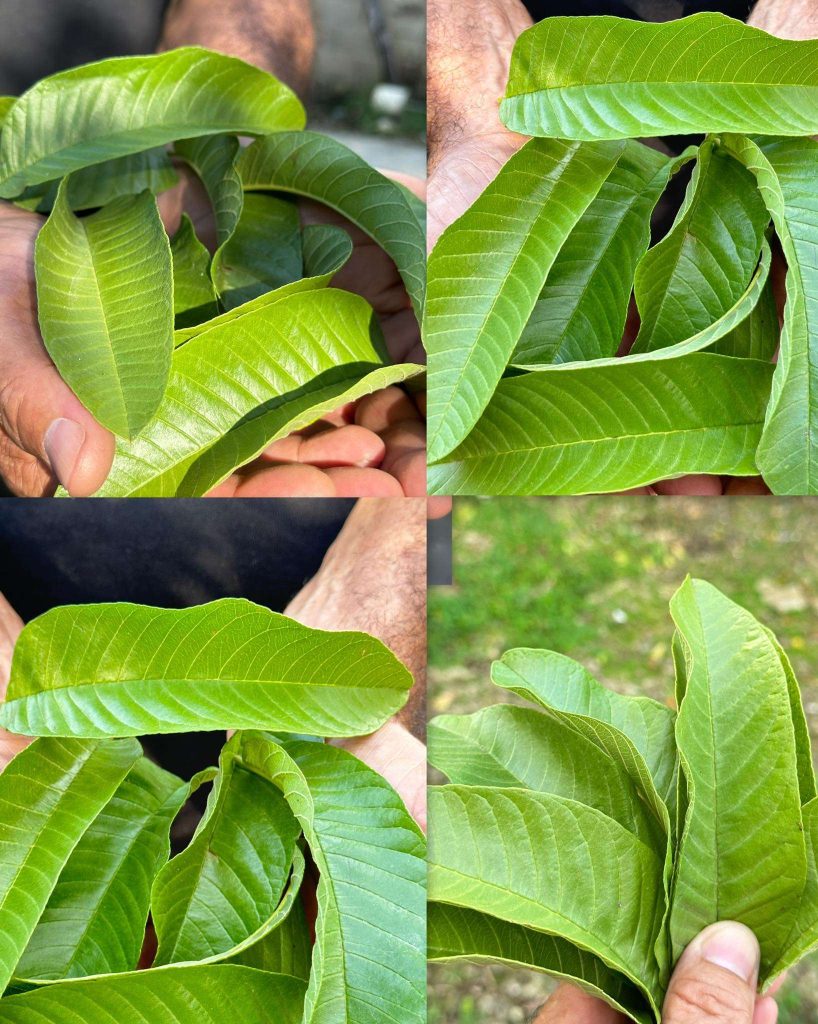
Welcome to a comprehensive exploration of the humble yet powerful guava leaf! 🌿 Often overshadowed by the sweet, vitamin C-rich fruit, the leaves of the *Psidium guajava* plant are a treasure trove of health-promoting compounds. This article will delve into the science-backed benefits, practical uses, and simple ways to incorporate guava leaves into your wellness routine for a healthier, more vibrant life.
Espanol
Introduction: The Overlooked Powerhouse
While the guava fruit enjoys global fame, its leaves have been a cornerstone of traditional medicine systems—from Ayurveda to folk practices in tropical regions—for centuries. Packed with antioxidants like quercetin, flavonoids, and essential oils, these leaves offer a natural, accessible path to enhanced well-being. Moving beyond their common association with tea, we will uncover the multifaceted benefits of guava leaves for everything from metabolic health to radiant skin. Let's dive in! 🍃
Nutritional and Phytochemical Profile 🧪
Guava leaves are a dense source of bioactive compounds. They contain potent antioxidants, anti-inflammatory agents, and antimicrobial substances. Key components include:
- Quercetin: A powerful flavonoid known for its anti-histamine and anti-viral properties.
- Vitamin C: Although the fruit is famous for it, the leaves also contribute to immune support.
- Lycopene: The same carotenoid that gives tomatoes their red color, beneficial for skin and heart health.
- Tannins: Provide the characteristic astringent property, useful for digestive and oral health.
This unique blend is what makes guava leaves a versatile tool for holistic health.
Top Health Benefits of Guava Leaves
The applications of guava leaves are remarkably diverse. Here are some of the most significant, research-supported benefits:
1. Supporting Digestive Health 🤰
Guava leaves have long been used to soothe an upset stomach and improve digestion. Their antibacterial properties can help combat harmful gut bacteria like *Salmonella*, while their anti-inflammatory nature may ease symptoms of gastritis or IBS. Drinking guava leaf tea after meals can promote efficient digestion and reduce bloating. Furthermore, the leaves' astringent qualities make them an effective remedy for diarrhea and food poisoning.
2. A Natural Ally for Blood Sugar Management 📉
This is one of the most celebrated benefits. Studies suggest that compounds in guava leaves inhibit the absorption of certain types of sugars (like maltose and sucrose) in the bloodstream. Regular consumption of guava leaf tea may help lower blood sugar levels and improve insulin resistance. While not a replacement for medication, it can be a valuable complementary practice under medical guidance for those managing type 2 diabetes or prediabetes.
3. Promoting Heart Health ❤️
The dual action of lowering "bad" LDL cholesterol and triglycerides while supporting "good" HDL cholesterol positions guava leaves as a friend to your cardiovascular system. The high potassium content helps regulate blood pressure by counteracting sodium's effects. The antioxidants also protect the heart from oxidative stress. Incorporating guava leaf extract or tea into a balanced diet can be a smart step toward long-term heart health.
4. Boosting Immunity and Fighting Colds 🛡️
The high vitamin C content and antimicrobial properties make guava leaves an excellent immune booster. Drinking warm guava leaf tea at the first sign of a cold or sore throat can help reduce mucus, soothe coughs, and disinfect the respiratory tract. Its fever-reducing (antipyretic) qualities are an added bonus during illness.
5. Enhancing Skin and Hair Beauty ✨
Applied topically, guava leaf's antiseptic and anti-inflammatory properties work wonders. A cooled tea rinse can treat acne, reduce redness, and tighten pores. For hair, it may combat dandruff and strengthen follicles, potentially reducing hair loss. For a simple skin toner, simply steep leaves, cool, and apply with a cotton pad. The antioxidants also fight free radicals, slowing signs of aging.
How to Use Guava Leaves: Practical Tips
Ready to harness these benefits? Here’s how to use them safely and effectively:
- Tea/Infusion: The most common method. Steep 5-10 fresh or dried leaves in hot water for 5-10 minutes. Strain and enjoy. Add honey or lemon for taste. 🫖
- Topical Application: Create a strong decoction by boiling leaves for 15-20 minutes. Let it cool and use as a skin wash, hair rinse, or on minor wounds.
- Extract/Supplement: Available in capsule or liquid form. Always consult a healthcare professional before starting any new supplement, especially if you have underlying conditions or are on medication.
Important Precautions and Side Effects ⚠️
While generally safe, guava leaves may cause side effects in some individuals. Excessive consumption can lead to constipation due to its astringency. Pregnant and breastfeeding women should use it cautiously. Most importantly, if you are on diabetes medication, monitor your blood sugar closely as the leaves can potentiate the effects of your drugs, risking hypoglycemia. Start with small amounts to see how your body reacts.
Conclusion: Embracing Nature's Simple Remedy
In summary, guava leaves are a potent, natural remedy with a wide spectrum of benefits, from regulating blood sugar and aiding digestion to enhancing skin health and boosting immunity. 🌟 Their strength lies in their synergy of powerful phytochemicals. While they are a fantastic addition to a health-conscious lifestyle, they work best as part of a balanced diet and should not replace professional medical treatment for serious conditions.
We encourage you to explore the gentle power of guava leaves—perhaps by brewing a comforting cup of tea today. Your journey to tapping into this ancient, leafy wisdom starts with a single sip or application. Here's to your health! 🥂
Deja una respuesta