Benefits of Guava Leaves
 Espanol
Espanol
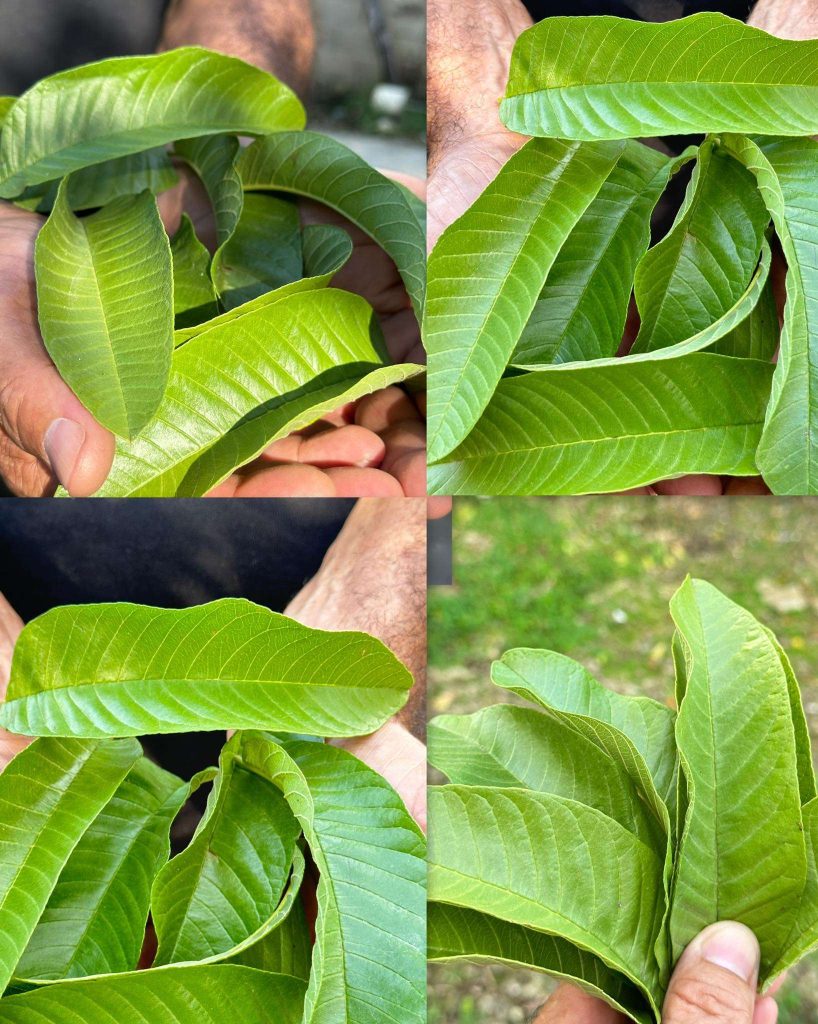
The Hidden Power in Your Garden: Unveiling the Remarkable Benefits of Guava Leaves
When we think of guava, the sweet, fragrant fruit often steals the spotlight 🍈. However, lurking in the shadows of those vibrant trees are its humble leaves, packed with a potent array of health-promoting compounds. Often overlooked, guava leaves have been a cornerstone in traditional medicine for centuries, and modern science is now catching up to validate their incredible properties. This article will dive deep into the science-backed benefits of guava leaves, offering you practical ways to harness their power for improved well-being. Let's explore this natural treasure trove together!
🧪 A Nutritional Powerhouse: What's Inside Guava Leaves?
Guava leaves (Psidium guajava) are rich in bioactive compounds like flavonoids (quercetin), tannins, saponins, and essential oils. They are also an excellent source of antioxidants, notably vitamin C and lycopene, which combat oxidative stress and free radical damage in the body. Furthermore, they contain powerful anti-inflammatory and antimicrobial agents, making them a versatile tool for addressing various health concerns from the inside out.
💊 Top Health Benefits of Guava Leaves
The applications of guava leaves are vast. Here are some of the most significant, evidence-backed benefits you should know about.
✨ Digestive Health & Weight Management
Guava leaf tea is renowned for its positive effects on the digestive system. The compounds in the leaves can help inhibit the absorption of dietary sugars and fats, which can support weight management goals. Additionally, their antimicrobial properties may help combat harmful bacteria like Salmonella and E. coli, reducing the risk of foodborne illnesses and promoting a healthier gut flora. For those suffering from diarrhea or stomach upset, a warm cup of guava leaf tea can have a soothing, anti-spasmodic effect.
🩸 Blood Sugar Regulation
This is one of the most celebrated benefits. Studies suggest that guava leaf extract can help improve insulin sensitivity and lower blood sugar levels. The leaves appear to inhibit certain enzymes that convert carbohydrates into glucose in the bloodstream, leading to a more gradual sugar absorption. Consuming guava leaf tea after meals may be a helpful natural adjunct for managing type 2 diabetes, though it should not replace prescribed medication. Always consult with your healthcare provider.
❤️ Heart Health Support
The synergy of antioxidants, potassium, and soluble fiber in guava leaves contributes to cardiovascular wellness. They may help lower "bad" LDL cholesterol and triglycerides while supporting healthy blood pressure levels. By reducing oxidative stress and inflammation in the arteries, guava leaves promote better circulation and overall heart function.
🧠 Cognitive Function & Stress Relief
The neuroprotective effects of the antioxidants in guava leaves may help safeguard brain cells from damage. Drinking the tea is also associated with a calming effect, which can alleviate anxiety and improve sleep quality. The act of preparing and sipping a warm herbal tea itself is a simple ritual for mindfulness and stress reduction.
🌿 Skin, Hair, and Anti-Aging Properties
Applied topically or consumed, guava leaves offer beauty benefits. Their antimicrobial and anti-inflammatory traits make them excellent for treating acne, eczema, and skin allergies. A cooled guava leaf decoction can be used as a facial toner or a rinse to soothe irritation. The high antioxidant content fights signs of aging by protecting the skin from collagen breakdown. For hair, rinsing with guava leaf water is believed to strengthen roots, prevent hair loss, and add shine.
🍵 How to Use Guava Leaves: Practical Tips & Methods
Incorporating guava leaves into your routine is simple and cost-effective. Here are the most common methods:
1. Guava Leaf Tea (Infusion): This is the easiest method. Rinse 5-10 fresh or dried leaves. Boil them in 1 liter of water for about 10 minutes. Strain and enjoy warm or cold. You can add honey, lemon, or ginger for flavor.
2. Topical Application: For skin or hair, prepare a stronger decoction by boiling a handful of leaves in water for 15-20 minutes. Let it cool completely, then use it as a wash, compress, or rinse.
3. Powdered Supplement: Dried guava leaves can be ground into a fine powder and added to smoothies, juices, or yogurts. Start with a small amount (e.g., 1/4 teaspoon) to assess tolerance.
Important Precautions: While generally safe, pregnant or breastfeeding women should consult a doctor before regular consumption. Due to its blood sugar-lowering potential, those on diabetes medication must monitor their levels closely to avoid hypoglycemia. Moderation is key—start with one cup of tea per day.
✅ Conclusion: Embrace Nature's Pharmacy
Guava leaves are far more than just tree foliage; they are a testament to nature's profound ability to provide healing and balance. From regulating blood sugar and aiding digestion to enhancing skin health and protecting the heart, their benefits are both preventive and therapeutic. By integrating guava leaf tea or topical treatments into your wellness regimen, you are tapping into an ancient, natural wisdom supported by growing scientific research. 🍃
We encourage you to explore this simple yet powerful remedy. Begin with a cup of freshly brewed guava leaf tea and observe how your body responds. As with any natural supplement, consistency and mindful usage yield the best results. Here's to discovering health in the most unexpected, leafy places!
Deja una respuesta