Benefits of Guava Leaves
 Espanol
Have you ever looked at a guava tree and admired its vibrant fruits while overlooking the humble leaves? 🌿 While the sweet, fragrant guava fruit rightfully steals much of the spotlight, its foliage holds a treasure trove of health benefits that have been cherished in traditional medicine for centuries. This article will delve into the remarkable advantages of guava leaves, transforming your perspective from seeing them as mere greenery to recognizing them as a powerful, natural wellness resource. We'll explore their nutritional profile, practical applications, and how you can easily incorporate them into your daily routine for enhanced health.
Espanol
The Hidden Powerhouse: Nutritional Profile of Guava Leaves
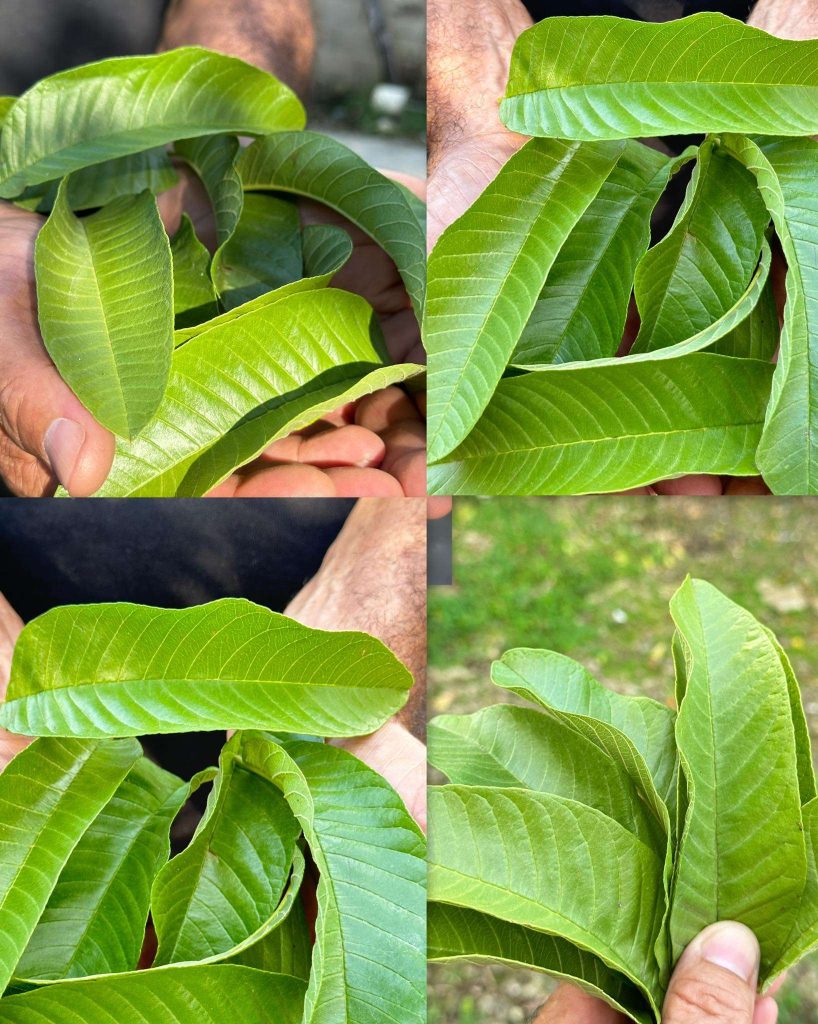
Guava leaves (Psidium guajava) are packed with a potent mix of bioactive compounds that contribute to their therapeutic effects. They are rich in powerful antioxidants like flavonoids (particularly quercetin) and polyphenols, which combat oxidative stress and free radical damage in the body. Furthermore, they contain essential oils, tannins, and saponins, along with beneficial vitamins such as Vitamin C and Vitamin B complex (Niacin). This unique composition is responsible for their wide-ranging benefits, from blood sugar regulation to anti-inflammatory and antimicrobial actions. 🧪
Top Health Benefits of Guava Leaves
Let's unpack the specific, science-backed ways these leaves can contribute to your well-being:
🎯 Blood Sugar Management: Several studies suggest that compounds in guava leaf tea can help inhibit the absorption of certain types of sugars (like maltose and sucrose) in the blood, leading to more stable glucose levels. Drinking guava leaf tea after meals may be particularly helpful for those managing insulin sensitivity or type 2 diabetes, though it should complement, not replace, medical advice.
💖 Heart Health Support: The leaves may aid cardiovascular wellness by helping to lower "bad" LDL cholesterol and triglycerides while raising "good" HDL cholesterol. Their high potassium content also contributes to healthy blood pressure regulation, supporting overall heart function.
🤧 Digestive and Anti-Diarrheal Aid: The tannins in guava leaves have a well-known astringent effect, which can help alleviate symptoms of diarrhea and gastroenteritis by inhibiting microbial growth and reducing intestinal inflammation. A warm cup of guava leaf tea can soothe an upset stomach.
🦷 Oral Health Booster: Thanks to their strong anti-inflammatory and antibacterial properties, guava leaves are excellent for oral hygiene. Chewing on clean, tender leaves or using a mouthwash made from a leaf decoction can combat gum inflammation, fight plaque, and freshen breath naturally.
🧠 Cognitive and Vision Support: The antioxidants and B vitamins in the leaves promote healthy blood flow, which is crucial for brain and eye health. They help protect neurons from oxidative damage and may support the prevention of cognitive decline.
Practical Uses: How to Harness the Benefits
Incorporating guava leaves into your lifestyle is surprisingly simple. Here are the most common and effective methods:
1. Guava Leaf Tea (Infusion): This is the most popular method. Simply steep 5-7 clean, fresh or dried leaves in a cup of hot water for 5-10 minutes. Strain and enjoy. You can add a dash of honey or lemon for flavor. For optimal digestive benefits, consider drinking it after meals. ☕
2. Topical Applications: A cooled guava leaf decoction (tea boiled for a longer period) can be applied to the skin to treat minor acne, cuts, or insect bites due to its antiseptic qualities. It can also be used as a rinse to strengthen hair roots and address dandruff.
3. Culinary Uses: In some cuisines, young guava leaves are used to wrap food or are added to stews for a subtle, herbal flavor and to impart their health properties directly into dishes.
Important Precautions and Considerations ⚠️
While guava leaves are generally safe for most people, it's important to practice moderation. If you are pregnant, breastfeeding, or have a chronic health condition (especially related to blood sugar or blood pressure), consult your doctor before making guava leaf tea a regular part of your diet. As with any herbal remedy, start with small amounts to see how your body reacts. Avoid excessive consumption, as it may lead to constipation in some individuals due to its high tannin content.
Conclusion: Embracing Nature's Pharmacy
From supporting metabolic and heart health to enhancing skin and digestive wellness, guava leaves prove to be a formidable, natural supplement often growing right in our backyards. 🍃 Their versatility—from a simple tea to a topical treatment—makes them an accessible tool for proactive health management. By integrating this ancient remedy into a modern, balanced lifestyle, you can tap into a stream of gentle, yet effective, natural benefits. We encourage you to explore the power of guava leaves, but always remember that they are part of a holistic approach to health, which includes a nutritious diet, regular exercise, and professional medical guidance. Why not start by brewing your first cup of guava leaf tea today and experience its benefits firsthand?
Deja una respuesta