Benefits of Guava Leaves
 Espanol
Espanol
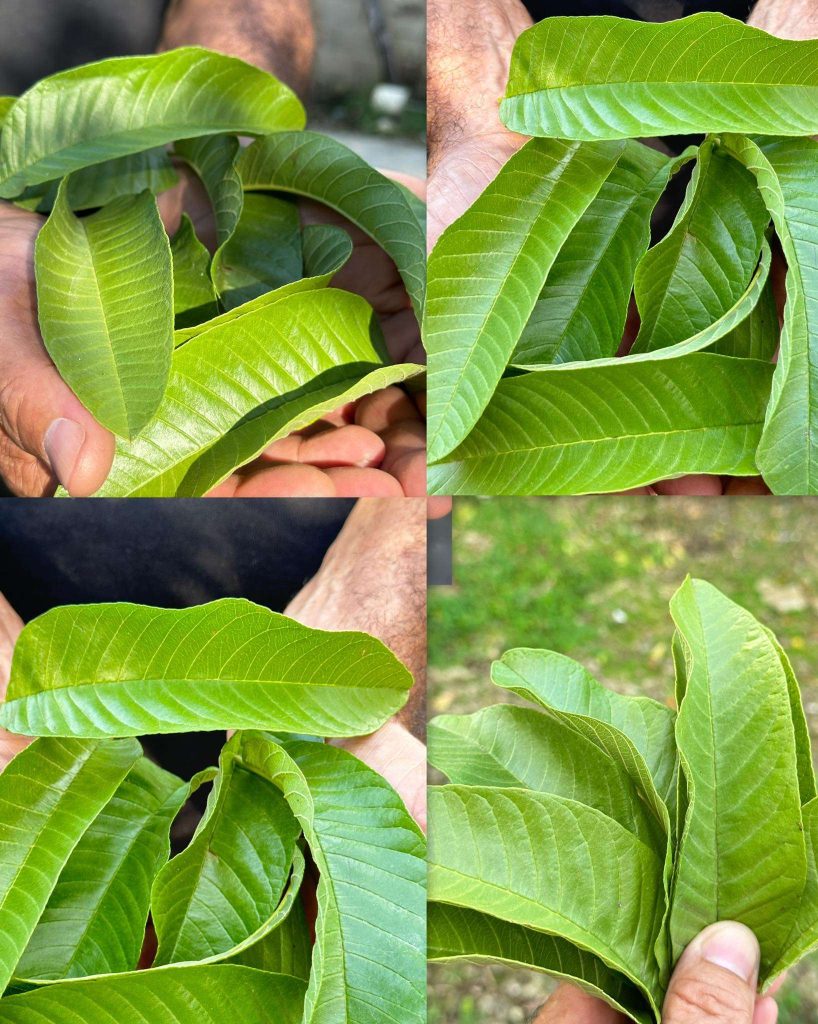
When we think of guava, our minds often jump to the delicious, vitamin C-rich fruit 🍈. However, the true hidden gem of the Psidium guajava plant might just be its leaves. For centuries, these aromatic leaves have been a cornerstone in traditional medicine systems across the tropics, and modern science is now catching up, validating their impressive health-promoting properties. This article will delve into the multifaceted benefits of guava leaves, moving beyond superficial claims to provide a detailed, practical guide on how this humble leaf can be a powerful ally for your well-being. Get ready to discover why you should look beyond the fruit! 🌿
Nutritional Powerhouse: What's Inside the Leaf?
Guava leaves are brimming with bioactive compounds that contribute to their therapeutic effects. They are an excellent source of potent antioxidants like quercetin, flavonoids, and carotenoids, which combat oxidative stress and cellular damage in the body. They also contain essential anti-inflammatory agents and antimicrobial compounds. Furthermore, the leaves are rich in vitamins (notably vitamin C and B vitamins) and minerals such as iron, potassium, and magnesium. This unique composition is the foundation for the wide array of health benefits we will explore.
A Friend to Your Digestive System 🫀
Guava leaf tea is a renowned remedy for various gastrointestinal issues. Its antibacterial properties can help combat harmful gut pathogens like Salmonella and E. coli, potentially reducing foodborne illnesses. More commonly, the leaves possess antispasmodic qualities that can soothe stomach cramps and alleviate symptoms of indigestion and bloating. For those struggling with diarrhea, the astringent compounds in the leaves have a tightening effect on the intestinal mucosa, helping to solidify stools and provide relief. A warm cup of guava leaf tea after a heavy meal can be a simple yet effective digestive aid.
Blood Sugar Regulation and Metabolic Health 📉
This is one of the most researched and promising benefits of guava leaves. Studies indicate that compounds in the leaf can help improve insulin sensitivity and lower blood glucose levels. They appear to inhibit certain enzymes that convert carbohydrates into glucose in the bloodstream, such as alpha-glucosidase. For individuals with prediabetes or type 2 diabetes, incorporating guava leaf extract or tea (under medical guidance) can be a valuable complementary strategy for managing blood sugar spikes, especially after meals. It's a natural approach that supports metabolic balance.
Boosting Heart Health and Circulation ❤️
The heart-healthy benefits of guava leaves are twofold. First, their hypotensive (blood pressure-lowering) potential is linked to their potassium content and vasodilatory effects, which help relax blood vessels. Second, they may contribute to improving lipid profiles. Research suggests that regular consumption of guava leaf extract can help reduce "bad" LDL cholesterol and triglycerides while increasing "good" HDL cholesterol. This combination of supporting healthy blood pressure and cholesterol levels makes it a formidable contender for promoting long-term cardiovascular wellness.
Skin, Hair, and Anti-Aging Wonders ✨
The antioxidant and antimicrobial prowess of guava leaves translates directly into topical benefits. For the skin, a paste or wash made from boiled leaves can help treat acne, reduce inflammation, and minimize the appearance of wrinkles by fighting free radicals. Applying cooled guava leaf tea as a facial toner can tighten pores and improve skin texture. For hair health, boiling the leaves into a rinse can combat dandruff, strengthen hair follicles to prevent hair loss, and add a natural shine. It’s a holistic beauty treatment straight from nature’s pharmacy.
Immune Support and Anti-Cancer Potential 🛡️
The high concentration of vitamin C and antioxidants fortifies the body's natural defenses, making guava leaves a great immune booster during cold and flu season. On a more complex level, preliminary laboratory studies have shown that guava leaf extract can inhibit the growth of various cancer cells, including those in prostate, gastric, and oral cancers. The proposed mechanism involves inducing apoptosis (programmed cell death) in malignant cells. While much more human research is needed, these findings point to the profound therapeutic potential locked within the leaf.
Practical Guide: How to Use Guava Leaves 🍵
To harness these benefits, here are the most common and effective methods:
- Guava Leaf Tea: The simplest method. Wash 5-10 fresh leaves (or use 1 tbsp dried leaves). Crush them lightly to release oils, add to a cup of boiling water, cover, and steep for 5-10 minutes. Strain and enjoy. You can add honey or lemon for taste.
- Topical Application: For skin or hair, boil a large handful of leaves in 1 liter of water for 15-20 minutes. Let it cool completely, then use it as a final hair rinse or apply to the skin with a cotton pad.
- Extract and Supplements: Standardized extracts are available in capsule form. Always consult with a healthcare professional before starting any new supplement regimen, especially if you are on medication or have a health condition.
Conclusion and Final Thoughts
In summary, guava leaves are far more than just tree foliage; they are a versatile, evidence-backed natural remedy with a spectrum of benefits. From soothing digestive distress 🫁 and regulating blood sugar to enhancing skin radiance ✨ and protecting the heart ❤️, this accessible plant offers a holistic approach to health. While they are generally safe for most people, moderation is key, and medical advice is crucial for therapeutic use. We encourage you to explore incorporating guava leaf tea into your routine as a refreshing, health-boosting beverage. By looking past the beloved fruit to its leaves, you unlock a new dimension of natural wellness that has been cherished for generations. Why not give it a try today? 🌿
Deja una respuesta