Benefits of Guava Leaves
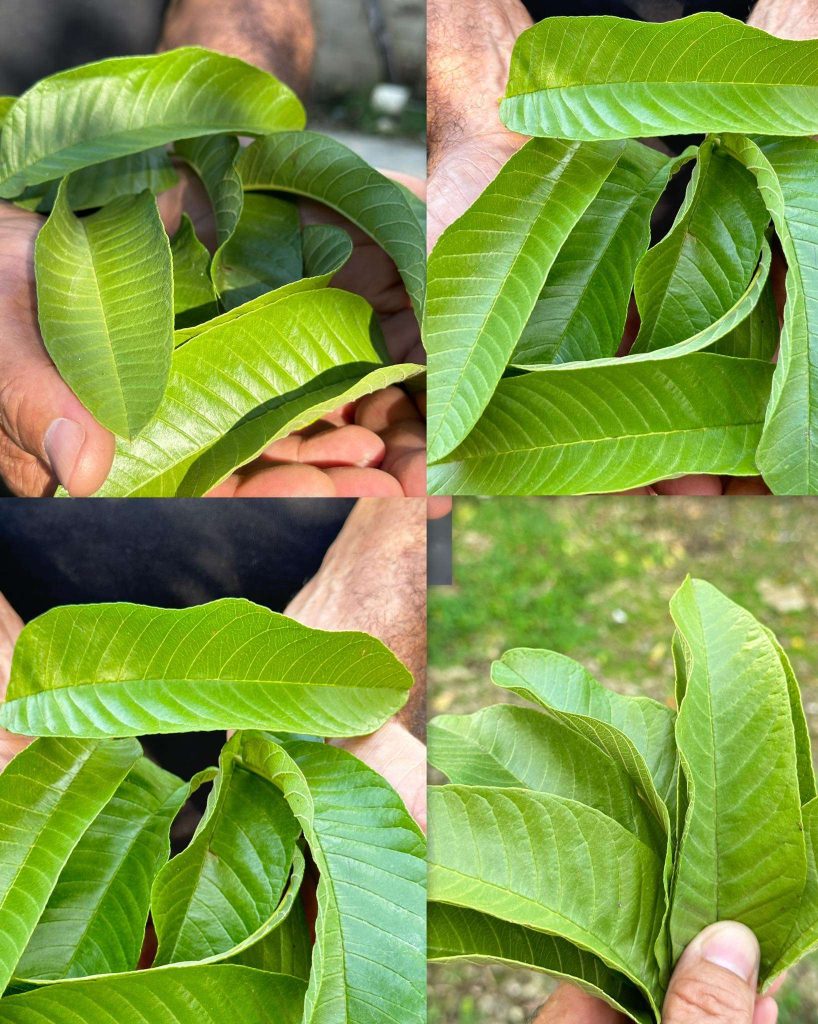
Unveiling Nature's Hidden Treasure: The Remarkable Benefits of Guava Leaves 🍃
 Espanol
While the sweet, tangy flesh of the guava fruit enjoys worldwide fame, a powerful secret often lies discarded: its leaves. Far from being mere byproducts, guava leaves (from the Psidium guajava tree) are a powerhouse of nutrients and bioactive compounds with a history steeped in traditional medicine across tropical regions. 🏝️ This article delves beyond the surface to explore the scientifically-backed and traditionally celebrated benefits of these verdant leaves. We will uncover how this readily available natural resource can contribute significantly to your health and wellness routine, offering practical ways to harness its potential.
Espanol
A Pharmacy in a Leaf: Key Compounds and Properties 🌿
To understand the benefits, we must first appreciate what makes guava leaves special. They are rich in antioxidants like quercetin and flavonoids, potent anti-inflammatory agents that combat oxidative stress. They also contain valuable tannins, essential oils, and vitamins (notably Vitamin C). Furthermore, guava leaves possess inherent antibacterial, antimicrobial, and anti-diarrheal properties. This unique phytochemical profile is the foundation for its diverse therapeutic applications, making it more than just a folk remedy.
Digestive Health and Weight Management Support 🫖
Guava leaf tea is a renowned digestive aid. The anti-microbial properties help combat harmful bacteria like E. coli and Staphylococcus aureus in the gut, potentially easing symptoms of food poisoning and traveler's diarrhea. The leaves also contain compounds that may inhibit the absorption of dietary sugars into the bloodstream, which can help manage blood sugar spikes and support weight management efforts. For a soothing digestive tea, steep 5-6 fresh, washed leaves in hot water for 5-10 minutes. Consistency is key for experiencing these regulatory benefits.
Promoting Heart Health and Regulating Blood Sugar ❤️
Emerging research points to guava leaves' positive impact on cardiovascular and metabolic health. The antioxidants help protect the heart from oxidative damage, while other compounds may aid in lowering "bad" LDL cholesterol and triglycerides. Most notably, several studies suggest that guava leaf extract can improve insulin resistance and help lower blood sugar levels. This is primarily attributed to its ability to inhibit certain enzymes involved in carbohydrate metabolism. Important: Those on diabetes medication should consult a doctor before using guava leaf tea for medicinal purposes.
Enhancing Skin, Hair, and Oral Beauty ✨
The benefits extend to external applications as well. The antibacterial and anti-inflammatory qualities make guava leaf paste or rinse excellent for combating acne and skin infections. A cooled guava leaf tea can be used as a facial toner to tighten skin and reduce the appearance of wrinkles. For hair, boiling the leaves into a strong decoction and using it as a final rinse can strengthen hair roots, combat dandruff, and promote healthy growth. Don't forget oral health! Chewing on tender guava leaves or using a leaf-infused mouthwash can relieve toothache, gum inflammation, and bad breath due to its analgesic and antimicrobial effects. 🦷
Immune Boosting and Restorative Qualities 🛡️
The high concentration of Vitamin C and flavonoids in the leaves provides a solid boost to the immune system, helping your body ward off common colds and infections. Moreover, its anti-inflammatory properties can be beneficial for relieving coughs and soothing bronchial inflammation. For a restful night, the tea has mild sedative properties that may help calm the nerves and promote better sleep quality. 💤 Integrating a cup of guava leaf tea into your evening ritual can be a simple act of holistic self-care.
Practical Guide: How to Use Guava Leaves at Home 🏠
Harnessing these benefits is straightforward. You can use fresh, young leaves (bright green and tender) or dried leaves.
For Tea (Infusion): Thoroughly wash 5-7 fresh leaves. Crush them slightly to release compounds, then steep in a cup of boiling water for 5-10 minutes. Strain and enjoy. Add honey or lemon for taste.
For Topical Use (Paste/Rinse): Grind a handful of fresh leaves with a little water to create a paste for skin applications. For a hair or skin rinse, boil a large handful of leaves in 1 liter of water for 15-20 minutes, then cool and strain.
Always source leaves from trees not treated with pesticides. Start with small amounts to ensure you have no adverse reactions.
Conclusion: Embracing a Holistic Wellness Ally 🌟
From supporting critical internal functions like digestion and blood sugar regulation to enhancing external beauty and boosting immunity, the humble guava leaf proves to be a remarkably versatile natural remedy. Its wealth of antioxidants and anti-inflammatory compounds offers a gentle yet effective approach to complementary health care. While it is not a substitute for professional medical advice or treatment, incorporating guava leaves into your lifestyle can be a simple, sustainable, and powerful step toward holistic well-being. We encourage you to explore this gift from nature—perhaps start by brewing a cup of fragrant guava leaf tea today and experience its soothing benefits firsthand. 🍵
Deja una respuesta