Benefits of Guava Leaves
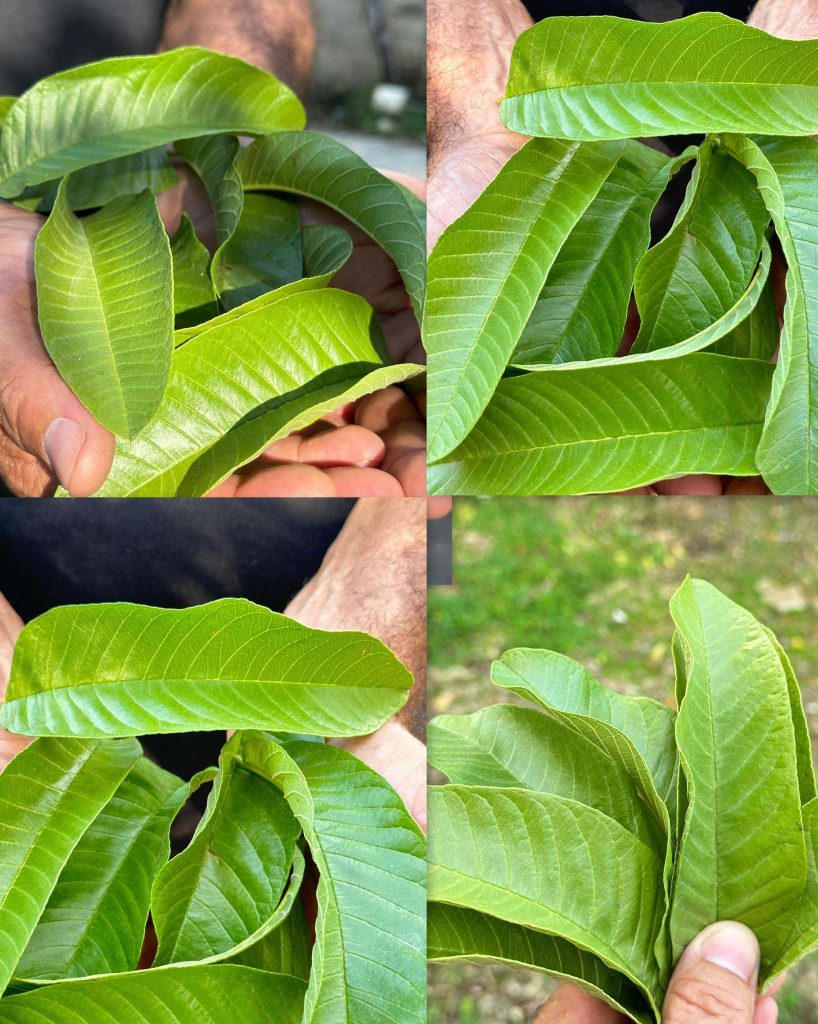
Unveiling Nature's Hidden Treasure: The Remarkable Benefits of Guava Leaves 🍃
 Espanol
Often overshadowed by the delicious and vitamin-C-rich guava fruit, the humble guava leaf is a powerhouse of wellness waiting to be discovered. While many enjoy the fruit and discard the leaves, traditional medicine systems like Ayurveda have prized this botanical gem for centuries. Modern science is now catching up, validating many of its historical uses. This article delves deep into the impressive health benefits of guava leaves, moving beyond superficial claims to provide you with a comprehensive, practical guide. From managing blood sugar to enhancing skin radiance, you'll learn how to harness the potent properties of this readily available natural resource.
Espanol
Nutritional Powerhouse: What's Inside the Leaf? 🔬
Guava leaves (Psidium guajava) are loaded with beneficial compounds that contribute to their therapeutic effects. They are an excellent source of antioxidants, particularly flavonoids like quercetin, and vitamins such as Vitamin C and A. They also contain potent antibacterial and anti-inflammatory agents like tannins, saponins, and eugenol. This unique blend of bioactive compounds is responsible for the wide array of health benefits associated with the leaves. Understanding that it's this synergy of compounds, not just a single element, that creates the powerful effect is key.
Top Evidence-Based Health Benefits of Guava Leaves
Let's explore the specific, research-backed advantages of incorporating guava leaves into your wellness routine.
Blood Sugar Management 🩸: Several studies suggest that guava leaf tea can help improve insulin resistance and lower blood sugar levels. The compounds in the leaves inhibit the absorption of certain types of sugars in the blood, such as maltose and sucrose. Drinking guava leaf tea after meals may be a helpful supportive practice for those managing their glucose levels. However, it should not replace prescribed medication without consulting a healthcare provider.
Heart Health Supporter ❤️: The leaves may contribute to cardiovascular wellness in two primary ways. The antioxidants help protect against oxidative damage to cholesterol, a factor in artery clogging. Furthermore, some research indicates they can help lower "bad" LDL cholesterol and triglycerides while raising "good" HDL cholesterol, thanks to their hypolipidemic properties.
Digestive Aid 🤢 Guava leaves have strong antibacterial properties that can help combat harmful gut bacteria like Salmonella and E. coli, potentially alleviating food poisoning. Their anti-inflammatory nature can also soothe the digestive tract, reducing symptoms of diarrhea and stomach aches. A cup of mild guava leaf tea is a classic home remedy for an upset stomach.
Skin and Hair Enhancer ✨ Applied topically, the antimicrobial and anti-inflammatory benefits translate beautifully to skincare. A cooled guava leaf decoction can be used as a facial toner to combat acne, reduce redness, and delay signs of aging. For hair, rinsing with guava leaf water is believed to strengthen roots, prevent hair loss, and add a healthy shine, thanks to its nutrient content.
Immunity and Anti-Cold Properties 🤧 The high vitamin C content, coupled with its iron-absorption boosting ability, makes it a great ally for the immune system. Drinking guava leaf tea at the onset of a sore throat or cough can provide relief by reducing mucus production and soothing inflamed respiratory passages.
How to Use Guava Leaves: Practical Tips and Methods 🍵
To reap the benefits, you need to know how to prepare guava leaves correctly. The most common and effective method is to make a tea or decoction.
Guava Leaf Tea Recipe:
- Wash 5-10 fresh, organic guava leaves thoroughly (or use 1 tablespoon of dried leaves).
- Add them to a pot with about 2 cups (500ml) of water.
- Bring to a boil, then reduce heat and let it simmer for 10-15 minutes. This simmering extracts the beneficial compounds.
- Strain the leaves and pour the liquid into a cup.
- You can enjoy it warm or let it cool. Add a teaspoon of honey or a slice of lemon for flavor if desired, but avoid sugar to maximize health benefits.
For topical use on skin or hair, allow the decoction to cool completely before applying. You can use a cotton pad for your face or pour it as a final rinse after shampooing your hair. Always do a patch test on a small area of skin first to check for any sensitivity.
Important Considerations and Precautions ⚠️
While guava leaves are generally safe for most people, certain precautions are necessary. Pregnant and breastfeeding women should consult their doctor before using them medicinally. Due to their potential blood-sugar-lowering effects, individuals with diabetes or those scheduled for surgery should monitor their levels closely and inform their physician. As with any herbal remedy, moderation is crucial. Start with a weak tea and see how your body responds. Never use it as a substitute for professional medical diagnosis or treatment for serious conditions.
Conclusion: Embracing a Leaf of Wellness
In summary, guava leaves are far more than just tree foliage; they are a versatile, natural supplement with a robust scientific profile. From offering metabolic support and promoting heart health to enhancing your skin's glow and calming your digestive system, their benefits are wide-ranging and impressive. By preparing a simple tea or topical rinse, you can easily integrate this ancient remedy into your modern lifestyle. We encourage you to explore the power of guava leaves responsibly, appreciating them as a valuable complement to a balanced diet and healthy habits. Nature often provides solutions in the most unassuming packages, and the guava leaf is a perfect testament to that truth. 🌿
Deja una respuesta